
A comprehensive guide to Hiking the Kilimanjaro
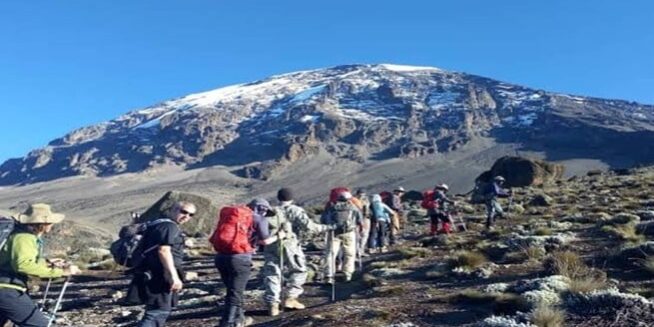
Hiking Mount Kilimanjaro, the tallest mountain in Africa and one of the Seven Summits, is an awe-inspiring adventure that draws thousands of trekkers each year. Standing at 5,895 meters (19,341 feet) above sea level, it is a dormant volcano that’s formed of three main cones. Hikers are usually aiming for Kibo, the middle cone, because that’s where Uhuru Peak, the pinnacle of Kilimanjaro and the final goal of most treks, sits, shoulders above the crater on a bluff.
Kilimanjaro presents a challenge for climbers, demanding determination, dedication, and energy. But it’s also a summit that rewards with visions of African ice caps, wanderings through moss-caked cloud forests, encounters with elephants, and , of course, a chance to stand at the highest point on the continent.
Recorded attempts to climb Kilimanjaro didn’t begin in earnest until the Germans came to East Africa in the second half of the 19th century. Hans Meyer and his Austrian climbing partner Ludwig Purtscheller are now hailed as the first Europeans to conquer the top of Kibo crater and complete the Kilimanjaro hike, which they finally managed in 1889 after a former failed attempt. They did it with help from a team of Swahili porters and camp builders.
This guide provides first-time climbers with essential information, practical tips, and an overview of what to expect on this unforgettable journey.
Getting to Kilimanjaro
The driving distance from Dar es Salaam to Mount Kilimanjaro is approximately 599.1 kilometers (372.3 miles), and the flight distance is around 448.4 kilometers (278.7 miles). The flight takes roughly 1 hour 10 minutes to 1 hour 20 minutes, while driving takes about 9 hours and 2 minutes. The average aerial distance from Dodoma to Kilimanjaro is around 338 Km, making it easier to reach the destination in around 40 minutes.
Best time to hike
The general rule for climbing Mount Kilimanjaro is to dodge the wet seasons; the short monsoon season and the long monsoon season. The first is over pretty quick and it lasts from the start of November to the first or second week of December. The second spans about three months, from March until May. That leaves two windows of opportunity for trekkers who want the best conditions for their Kilimanjaro hike. It is possible to climb Mount Kilimanjaro at any time in the year so you don’t have to stick to the above seasons to make the hike a success.
Preparing for the Climb
- Budgeting
The cost to hike Mount Kilimanjaro generally ranges from $2,000 to $6,000 per person, depending on the route, duration, and operator. Most expeditions average around $2,700 for a safe and comfortable 7-day climb with a reputable local operator.
- Physical preparation
Mount Kilimanjaro is a trek rather than a technical climb, meaning specialized climbing skills are not required, but physical fitness is crucial. A proper training regimen should include aerobic conditioning where you engage in cardiovascular exercises such as running, cycling, and swimming for at least three to six months before your hike. Aim for workouts lasting 30-60 minutes, several times a week.
Incorporate strength training into your routine to build muscle endurance, with a focus on legs, core, and upper body. Exercises like squats, lunges, and weightlifting can be beneficial.
Whenever possible, go on hikes that simulate the conditions you’ll encounter on Kilimanjaro. Practice with a loaded backpack to mimic the trek’s weight.
- Mental Preparation
Mental resilience is just as important as physical conditioning. Familiarize yourself with the challenges of high-altitude hiking, including potential altitude sickness, and prepare yourself mentally to push through fatigue and discomfort.
- Hiking gear
Investing in the right gear can make a significant difference in your comfort and safety on the mountain. The bulk of your pack and gear including all your food, your sleeping setup, and cooking utensils will be transported by your team. It is not unusual to have three porters to every one trekker to enable you successfully complete your hike. Your responsibility will be to prepare and pack for long-distance trekking while climbing Kilimanjaro that can last upwards of seven days and involve very unpredictable weather conditions. This is everything you need to pack for your hike.
- Moisture-wicking layers to keep you dry.
- fleece or down jacket
- Waterproof and windproof jacket and pants.
- Quick-drying and durable hiking pants and shorts
- Sturdy and waterproof hiking boots with good ankle support.
- Warm hat and gloves for summiting because of snow
- Thick, moisture-wicking hiking socks
- A comfortable daypack (20-30 litres) for day hikes, plus a larger backpack for luggage.
- Trekking poles which are useful for stability and reducing strain on knees. These are usually provided by your guides.
- Sunglasses, sunblock, a headlamp, and a refillable water bottle are vital.
- A sleeping bag rated for sub-zero temperatures, given the mountain’s cold nights.
Choosing a Route
Mount Kilimanjaro has several established routes, each offering unique scenery and varying levels of difficulty.
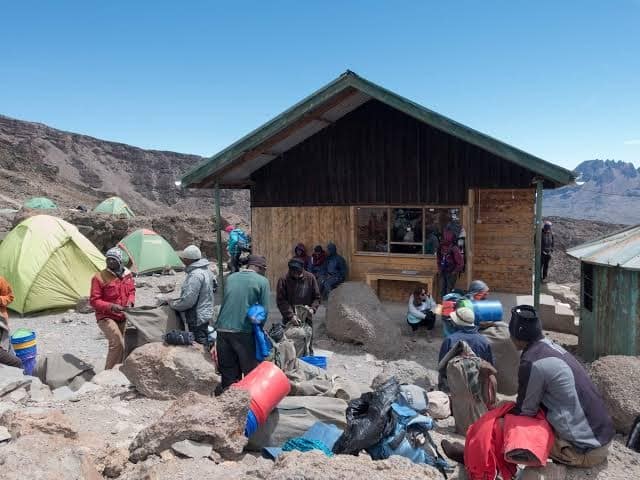
- Marangu Route: Also known as the “Coca-Cola Route,” this is the most straightforward path, offering hut accommodations so you don’t need to pitch tents and carry loads of gear while you climb Kilimanjaro. It typically takes 5-6 days, is suitable for beginners, and is rated the easiest way to hike Kilimanjaro. It’s a steady up and back on the same path on the South-Eastern edge of Kilimanjaro, making Marangu a great choice for less experienced climbers.
- Machame Route: Known as the “Whiskey Route,” it’s slightly more challenging with stunning views. This route typically takes 6-7 days, allowing for better acclimatization and is the most popular route of all for climbers on Kilimanjaro, with an overall success rate of 85%. Expect steep climbs after leaving the rainforests on the south slopes and camping the whole way along.
- Lemosho Route

This is a less crowded option, and offers beautiful landscapes and a gradual ascent. It takes about 7-8 days, making it ideal for acclimatization. It is also widely considered to be the most beautiful of all the ways to hike Kilimanjaro to the summit. Lemosho starts on the western side of the park, and goes through the lower forests. Sightings of elephant herds and strange fauna are more common along this path and it is less busy than Machame.
- Rongai Route: Starting from the north, this route is less travelled and provides an easier ascent. It usually takes around 6-7 days. The Rongai Route basically begins right on the Tanzania–Kenya border. It’s a 5-7 day trek that makes use of the relatively gentle slopes on this half of the peak, although that can make proper acclimatization a little difficult while climbing Kilimanjaro. Descents are usually done on the south side of the mountain.
- Umbwe: This route is the hardest of all the ways to climb Mount Kilimanjaro. This route starts with two days of very steep walking directly through the rainforests and then the exposed alpine zones of the south slope. Later, it connects with the Machame Route to reach the top or takes the cutback path to the Western Breach, one of the few true technical sections on the Kilimanjaro climb that’s open to experienced mountaineers only. Either way, Umbwe is sure to be a challenging, yet rewarding, route for any trekker.
- Shira: This route begins at the Shira Gate and later joins the Machame Route before reaching the summit. This route to is usually reserved for more experienced climbers and certainly not for those on their first long-distance trek, mainly because it begins at an already-challenging altitude of around 11,480 feet (3,500 meters).
- Northern Circuit: This is one of the newer additions to the line-up of Kilimanjaro routes. It is a nine day trek and the real pull is that you’ll get to see parts of the volcanic Saddle that other trails go nowhere near, allowing for a more unique way to climb Kilimanjaro.
For first-timers, the Machame and Marangu routes are often recommended due to their scenic views and reasonable comfort levels.
Acclimatization and Altitude Sickness

Acclimatization is crucial to a successful summit attempt. Acclimatization is basically the process where an individual adjusts to changes in their environment, allowing them to maintain their fitness across a range of conditions. Most climbers experience altitude changes, making the body adjust to lower oxygen levels and first timers usually experience altitude sickness which is characterized by headache, nausea, fatigue, Insomnia and in severe cases, fainting.
To prevent altitude sickness, you need to ascend gradually. The general rule is to “climb high, sleep low.” This means hiking to a higher altitude during the day, then returning to a lower altitude to sleep.
You’ll also need to stay hydrated by drinking at least 3-4 litres of water daily and most importantly, avoid alcohol and smoking, which can exacerbate symptoms.
If symptoms of altitude sickness become severe, it’s essential to descend immediately.
The Hiking Experience
A typical hiking day on Kilimanjaro involves early mornings, often starting around 6 AM. The day begins with breakfast where you fuel up with a hearty meal to set the tone for the day’s hike. You’ll then hike for several hours, generally 5-8 hours, with frequent breaks to rest, drink, and eat.

Packed lunch is then served. These meals are usually prepared by your guides. After lunch, you continue your ascent, appreciating the changing landscapes. In the evening, you’ll arrive at camp, where porters will have set up tents and cooked dinner. Eat a quality meal and go to bed early to prepare for the next day.
The final ascent to Uhuru Peak, the highest point on Kilimanjaro, often begins in the early hours of the morning, around midnight or 1 AM. This is done to reach the summit before sunrise and descend safely. The final push is steep and challenging, with loose rock and scree. Here, proper gear and especially good mental preparation is crucial. Expect the ascent to take approximately 6-8 hours, followed by a descent back to a lower camp, which may take another 3-4 hours.
Safety Precautions
- Ensuring your safety throughout your trek is paramount. These hikes are usually guided but it’s important to hire a reputable guide service that employs experienced guides and provides adequate support systems. Responsible companies should have safety protocols in place, including first-aid kits and emergency evacuation plans.
- Maintain communication with your trek leader and follow their guidance regarding pacing, breaks, and acclimatization.
- Know your limits and don’t be scared to turn back if you start to feel unwell. You can always try again another time.
Cultural Experience
Hiking Mount Kilimanjaro is as much a cultural experience as it is a physical challenge. The local Chagga people are known for their hospitality, and you’ll likely meet porters, guides, and cooks who play a crucial role in your journey. Take the opportunity to learn about their customs and history.
Hiking to the summit of Mount Kilimanjaro is a once-in-a-lifetime experience, combining physical challenge, natural beauty, and cultural immersion. Preparation is key; the more you understand what to expect, the more rewarding the experience will be.



This is a very well-written article. I appreciate the effort you put into explaining everything clearly.