Uganda’s most memorable journeys are not always the shortest ones. Some take you deep into places where the landscape, wildlife and culture feel completely different from what you experienced a few days earlier.
This 10-day Uganda safari is designed for travelers who want to explore beyond the country’s most popular western safari circuit. The journey begins around the Nile and Murchison Falls before heading into northern Uganda, continuing to the remote wilderness of Kidepo Valley and the cultural landscapes of Karamoja.
From there, the route turns east towards Kapchorwa and Sipi Falls, where dry savannah gives way to green mountain slopes, coffee plantations and the foothills of Mount Elgon.
The itinerary combines Murchison Falls National Park, Ziwa Rhino Sanctuary, Gulu, Kitgum, Kidepo Valley National Park, Karamoja, Moroto, Mount Elgon, Kapchorwa and Sipi Falls.
It is suitable for travellers who want wildlife, culture, landscapes and a genuine road-trip experience rather than a conventional short safari.
Because some sections of this route are remote, we recommend a 4×4 safari vehicle with good ground clearance. A Toyota Land Cruiser is particularly suitable for the northern section, especially during the rainy season.
Day 1: Entebbe/Kampala to Ziwa Rhino Sanctuary and Murchison Falls
Your 6-7 hour journey begins from Kampala or Entebbe with an early departure towards northern Uganda. The first major stop can be Ziwa Rhino Sanctuary, located along the route to Murchison Falls. The sanctuary is home to Uganda’s reintroduced southern white rhinos and offers visitors the opportunity to track them on foot with trained guides.
Rhino tracking normally takes around one to two hours, depending on where the animals are located. After the experience, continue towards Murchison Falls National Park. The landscape gradually changes as you travel north. Busy urban areas give way to villages, farms, woodland and open countryside.
Murchison Falls is Uganda’s largest national park and forms part of the greater Murchison Falls Conservation Area. The Victoria Nile runs through the park before being forced through a narrow gorge at the famous Murchison Falls.
Arrive at your lodge or campsite in the evening and relax after the long drive.
Accommodation
Budget
- Red Chilli Rest Camp.
- Heritage Safari Lodge
Mid-range
- Pakuba Safari Lodge
- Murchison River Lodge
Luxury
- Paraa Safari Lodge
- Baker’s Lodge .
Day 2: Murchison Falls wldlife safari and the Nile

This day is dedicated to exploring Murchison Falls National Park. Start early with a game drive across the northern sector of the park. This is one of the best times to explore because temperatures are cooler and many animals are active.
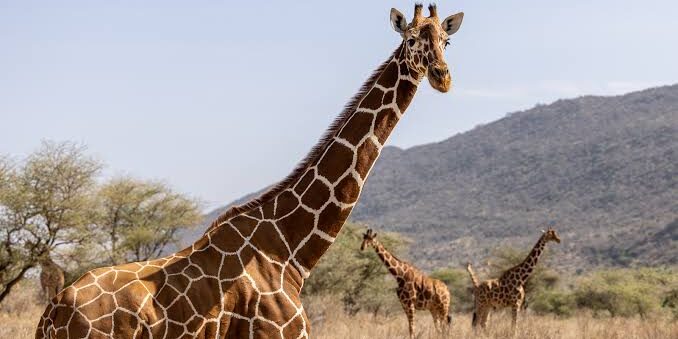
The park supports populations of elephants, buffaloes, giraffes, lions, Uganda kob, hartebeest, warthogs and numerous antelope species. Depending on the season and your luck, you may also encounter leopards and other wildlife.
After the game drive, return for breakfast or lunch before heading towards the Nile for an afternoon boat cruise.
The Victoria Nile boat cruise is one of the signature experiences in Murchison Falls. As the boat moves towards the base of the falls, you can watch hippos, crocodiles and birds along the riverbanks. The cruise also gives you a different perspective of the wildlife. Elephants and other animals sometimes come down to the water to drink.
Later, visit the Top of Murchison Falls. Here you can walk towards viewpoints where the Nile is squeezed through a narrow rocky gorge before plunging downstream. The sound and force of the water make this one of the most impressive natural experiences in Uganda.
Return to your lodge for dinner and another night in the park.
Day 3: Murchison Falls to Gulu
After breakfast, leave Murchison Falls and continue north towards Gulu, the largest city in northern Uganda. This is more than simply a transit day. Gulu introduces travellers to a different side of Uganda, particularly the culture and history of the Acholi people.
Northern Uganda has experienced significant social and economic changes over the past several decades. Today, Gulu is an important commercial, educational and cultural centre for the region.
As you drive north, the scenery changes from the wooded savannah around Murchison to more open agricultural landscapes. After arriving in Gulu, check into your accommodation and spend the afternoon exploring the city.
You can visit local markets, craft centres or arrange a cultural experience involving traditional Acholi food, music, dance and storytelling.
For travellers interested in history, this is also an opportunity to learn more about northern Uganda’s recent past and the resilience of local communities.
Accommodation
Budget Bomah Hotel Gulu
Mid-range: Gulu Grand Hotel
Luxury: Acholi Inn
Day 4: Gulu to Kitgum and Kidepo Valley National Park
Today is one of the longer driving days taking approximately 7-9 hours. Leave Gulu early and continue through Kitgum towards Kidepo Valley National Park. The further north you travel, the more remote the landscape becomes. Small trading centres become less frequent, traffic reduces and the landscape begins to feel increasingly wild.
You will pass through areas associated with the Acholi and Karamojong communities before eventually reaching the Kidepo region. Kidepo is one of Uganda’s most remote national parks, and reaching it is part of the adventure.
The park sits between rugged mountains and broad savannah plains near Uganda’s borders with South Sudan and Kenya. Depending on your arrival time, you may already begin seeing wildlife as you approach the park.
Kidepo accommodation
Budget
- Apoka Rest Camp
- UWA camping
Mid-range
- Kidepo Savannah Lodge
Luxury
- Apoka Safari Lodge
Day 5: Full-Day Kidepo Valley National Park Safari

Kidepo Valley National Park has the largest ostrich population amongst all the other parks in Uganda.
Today is one of the highlights of the entire journey. Kidepo Valley National Park is very different from Murchison Falls. The park is famous for its remote wilderness, dramatic mountains and extensive savannah plains.
An early morning game drive takes you through the Narus Valley, where wildlife frequently gathers around available water sources.
Possible sightings include lions, elephants, buffaloes, giraffes, zebras, Uganda kob, hartebeest, jackals, warthogs and various antelope species.
Kidepo is also one of the best places in Uganda to look for species that are uncommon or absent from much of the country’s other safari parks. Depending on the season and location, you may encounter greater kudu, cheetah, ostrich and other wildlife associated with Uganda’s far northeast.
After lunch, continue exploring either the Narus Valley or the Kidepo Valley.
The Kidepo Valley landscape is particularly striking. Wide open plains are surrounded by mountains, creating the feeling of a remote African wilderness far from Uganda’s more populated areas.
Return to your lodge in the evening.
For travellers staying at a campsite, this is also an excellent place to enjoy an outdoor dinner and campfire beneath the northern Ugandan sky.
Day 6: Kidepo and Karamoja cultural experience

Visit one of the Karamajong homesteads for an authentic cultural experience of these nomadic people
After an early breakfast, begin the journey towards Karamoja and Moroto. Rather than treating Karamoja simply as a road between Kidepo and eastern Uganda, this itinerary gives the region time to become part of the safari itself.
The Karamojong are traditionally pastoralist communities, and cattle remain deeply connected to their social and economic life. A properly organised cultural experience can introduce travellers to aspects of Karamojong life, including livestock keeping, traditional food, beadwork, homesteads and local storytelling.
Cultural visits should always be organised respectfully. The goal is not to treat communities as tourist attractions but to create opportunities for genuine interaction and learning.
You may also visit a local craft group where women produce traditional beadwork and other handmade products. The surrounding landscape is another attraction. Karamoja is characterised by open plains, rocky hills and rugged mountains, with Mount Moroto dominating parts of the region.
Accommodation
Budget
- Kara-Tunga Safari Camp
Mid-range
- Kara-Tunga Guesthouse/Safari Camp
Higher-end
Moroto has fewer true luxury properties than established safari destinations. Mount Moroto Hotel is one of the better-known comfortable hotel options in town, although travellers seeking genuine luxury should understand that accommodation standards here are more modest than at Apoka or premium Murchison lodges.
Day 7: Moroto to Kapchorwa and Sipi Falls
Leave Moroto after breakfast and begin another long journey (7-9 hours) towards Kapchorwa. This is another long driving day, but it is also one of the most interesting transitions of the safari.
The dry and rugged landscapes of Karamoja gradually give way to greener countryside as you approach the slopes of Mount Elgon. Kapchorwa sits in one of Uganda’s most fertile agricultural regions and is particularly famous for Arabica coffee.
Continue towards Sipi Falls, where a series of waterfalls cascade down the slopes of Mount Elgon. After checking into your accommodation, spend the evening enjoying the cooler highland climate and dramatic scenery.
Accommodation
Budget
- Crow’s Nest Rest Camp
Mid-range
- Lacam Lodge
- Sipi Falls Resort
Luxury
- Sipi River Lodge
Day 8: Sipi Falls, Coffee and Mount Elgon
After several long driving days, today provides an opportunity to slow down. Begin with a guided walk to Sipi Falls.
The trails pass through local farms and communities before reaching viewpoints overlooking the waterfalls. Depending on the route, you can visit several of the falls.
Travellers looking for more adventure can arrange abseiling beside one of the waterfalls. Another major attraction is a Mount Elgon coffee experience.
Kapchorwa and the surrounding slopes are famous for Arabica coffee. A local coffee experience allows you to learn how coffee is grown, harvested, processed and prepared.
You can also learn about the lives of farming communities in the region.
The area is strongly associated with the Bagisu/Bamasaaba people, whose culture includes important agricultural and community traditions.
After the day’s activities, return to your lodge and enjoy a relaxed evening overlooking the hills.
Day 9: Kapchorwa to Jinja
After breakfast, begin the 4-5 hour journey towards Jinja. The landscape gradually changes again as you descend from the Mount Elgon highlands towards eastern Uganda.
Arrive in Jinja in the afternoon and check into your hotel. If time allows, visit the Source of the Nile or enjoy a relaxed boat ride.
Jinja is also one of Uganda’s leading adventure destinations. Travelers who have more time can arrange white-water rafting, kayaking or other activities on the Nile. For this itinerary, however, we recommend keeping the afternoon relatively relaxed because the journey ends the following day.
Accommodation
Budget: Source Garden Hotel, Nile River Explorers Camp or another suitable budget guesthouse.
Mid-range: Haven Lodge Jinja or a comfortable city hotel.
Luxury: Wildwaters Lodge is an excellent high-end option for travellers who want to finish the safari with a more exclusive experience.
Day 10: Jinja to Entebbe or Kampala
After breakfast, begin your final drive towards Kampala or Entebbe. If you have a late international flight, you can spend part of the morning exploring Jinja before leaving.
The drive back towards Entebbe takes you through central Uganda, with the final section becoming increasingly busy as you approach Kampala and the airport corridor. Allow additional time for traffic, particularly around Kampala.
Your 10-day expedition ends in Entebbe or Kampala.