Uganda does not have to be an expensive safari destination. If you are willing to trade luxury lodges for a comfortable tent, there is a much more affordable way to explore the country’s wildlife, lakes, landscapes and local communities.
This 7-day budget camping safari combines Lake Mburo National Park, Lake Bunyonyi and Lake Mutanda with Uganda’s beautiful southwestern countryside. It is designed for travellers who want an authentic African adventure without spending heavily on accommodation.
You can travel with a rooftop tent or ground tent, depending on your preference. We can provide the camping equipment and a suitable 4×4 vehicle, making the trip possible for international visitors as well as Ugandan travellers looking for an affordable holiday.
The route also works well for travellers who want a mixture of wildlife and scenery. Lake Mburo provides the main wildlife experience, while Bunyonyi and Mutanda offer spectacular highland scenery, canoeing, village experiences and opportunities to simply relax.
There is also no gorilla trekking on this itinerary. That keeps the overall cost considerably lower and makes the safari suitable for travellers who want to explore southwestern Uganda on a budget.
Day 1: Kampala or Entebbe to Lake Mburo National Park
Your safari begins from Kampala or Entebbe. After meeting your driver-guide or collecting your self-drive vehicle, you will start the 4-5 hour journey towards southwestern Uganda. The road to Lake Mburo takes you through Uganda’s countryside, with plenty of opportunities to see small towns, roadside markets, banana plantations and cattle farms.
One of the interesting features of this journey is the changing landscape as you move towards Ankole. The region is famous for its long-horned Ankole cattle, which are an important part of the culture and livelihood of many local communities.
You can make a stop at the Uganda Equator crossing along the way. This is a popular photography stop and a good place to stretch your legs, visit the craft shops and have lunch.
Depending on your arrival time, you can continue towards Lake Mburo and set up camp. For travellers using a rooftop tent, our team will demonstrate how to set up the tent and use the camping equipment before your first night.
Rwonyo Rest Camp is one of the practical options for travellers who want to camp close to the park’s main activities. Facilities can include basic toilets and showers, camping areas and simple restaurant/meal arrangements. The facilities are intentionally basic, so this is best suited to travellers who value the experience rather than luxury.
Camping here costs approximately USD 5–15 per person per night, depending on the applicable UWA category and current rates. Another option is to use a private campsite outside the park, where facilities may include toilets, showers, a restaurant and campfire areas.
Spend your evening with a campfire, dinner and overnight at the campsite.
Day 2: Lake Mburo wildlife safari and nature experience

This day is your main wildlife day. Lake Mburo is different from Uganda’s larger savannah parks. It is relatively compact, making it possible to experience several activities without spending the entire day driving.
An early morning game drive gives you the best opportunity to explore the park while wildlife is active. Lake Mburo is known for zebras, impalas, buffaloes, warthogs, topi, eland and Uganda kob. Giraffes are also increasingly one of the highlights of the park. You may also encounter hippos around the lake and a variety of bird species.
Because wildlife sightings are never guaranteed, the experience is more about exploring the habitat and watching animals in their natural surroundings rather than ticking species off a list.
After the game drive, return to camp for lunch and some rest. In the afternoon, you can choose between another game drive, a guided nature walk or a boat trip on Lake Mburo.
A boat trip provides a completely different perspective of the park. You may see hippos in the water, crocodiles along the shoreline and numerous birds around the lake. A guided nature walk is another affordable option for travellers who want to experience the smaller details of the park. Your ranger or guide can explain animal tracks, plants, insects and other aspects of the ecosystem that are easy to miss from a vehicle.
Accommodation: Camping at Lake Mburo.
Day 3: Lake Mburo to Lake Bunyonyi
After breakfast, leave Lake Mburo and continue towards southwestern Uganda for another 5-6 hours drive. The landscape becomes increasingly hilly as you approach Kabale and the Kigezi Highlands. This is one of the most scenic parts of the journey, with terraced hills, small farms and winding roads.
You will eventually reach Lake Bunyonyi, one of Uganda’s most famous highland lakes. Unlike Lake Mburo, which is primarily a wildlife destination, Bunyonyi is about scenery, relaxation and local life.
The lake is surrounded by steep green hills and contains numerous small islands. Its peaceful setting makes it an excellent place to spend several nights during a budget trip.
Bunyonyi Overland Camp is one of the options that can work well for budget travellers. The campsite is located close to the lake and is known for its camping facilities, lake access, restaurant and basic guest facilities.
Depending on the camping option and current rates, travellers can expect approximately USD 5–15 per person per night for basic camping. Other campsites and budget accommodation around the lake are also available, so we can select the most suitable option according to your budget and preferred level of comfort.
Spend the evening relaxing beside the lake.
Accommodation: Lake Bunyonyi campsite.
Day 4: Explore Lake Bunyonyi
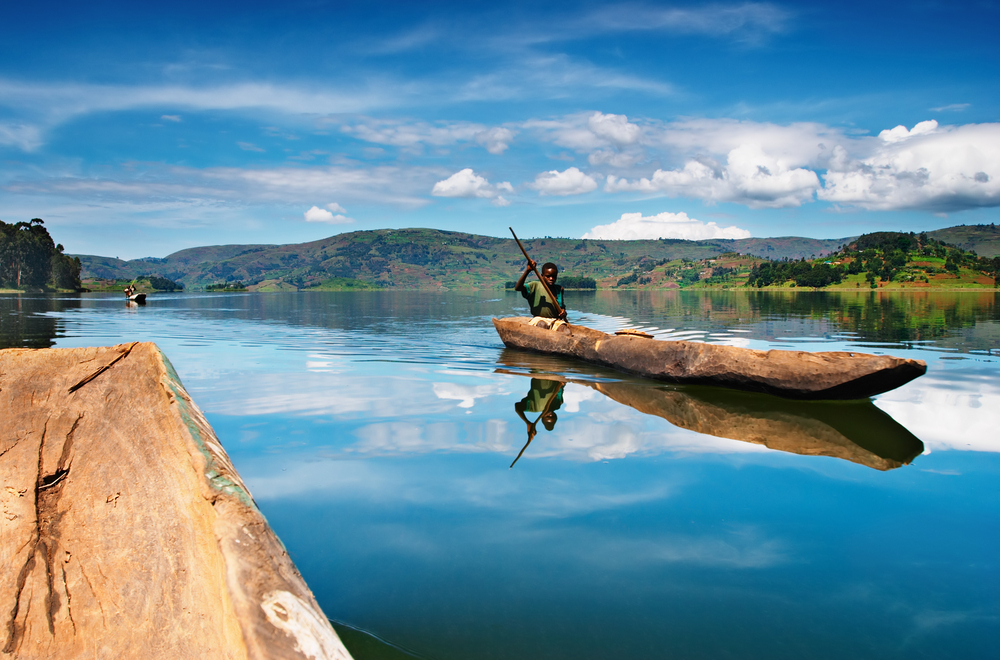
this day is deliberately slower. After several days on the road, Lake Bunyonyi provides an opportunity to relax and enjoy the surroundings without constantly moving from one destination to another.
One of the best ways to explore the lake is by traditional dugout canoe or motorised boat. A canoe trip allows you to explore some of the lake’s islands while learning about the communities that live around its shores. The hills surrounding Bunyonyi are heavily cultivated, and you can see terraces where local farmers grow crops on steep slopes. This gives visitors an interesting insight into how communities have adapted agriculture to the mountainous terrain.
You can also arrange a community visit where you learn about local food, crafts and everyday life. For travellers interested in photography, the viewpoints around Bunyonyi are particularly rewarding in the early morning and late afternoon.
The rest of the day can simply be spent swimming where it is considered safe, reading beside the lake, taking photographs or relaxing at camp.
Accommodation: Camping at Lake Bunyonyi
Day 5: Lake Bunyonyi to Lake Mutanda and Kisoro
This day takes you deeper into southwestern Uganda. After breakfast, drive towards Lake Mutanda, near Kisoro.
Lake Mutanda is surrounded by volcanic mountains and is one of the most spectacular landscapes in southwestern Uganda. On a clear day, the Virunga volcanoes form an impressive backdrop.
Unlike Bunyonyi, which has numerous islands and steep agricultural hills, Mutanda has a more dramatic volcanic setting. You can spend the afternoon exploring the lake by canoe or boat, relaxing at the lakeshore or visiting the surrounding communities.
For travellers who enjoy photography, the combination of water, volcanic mountains, farmland and traditional communities makes this a particularly attractive part of the safari. You can camp at a suitable campsite around Lake Mutanda or use a budget camping facility around Kisoro.
If you prefer a little more comfort for one night, budget guesthouses in Kisoro can also provide an alternative to camping.
Day 6: Explore Lake Mutanda and Kisoro

Rather than immediately beginning the long journey back to Kampala, use your sixth day to enjoy the Kisoro area.
One option is an early morning canoe trip on Lake Mutanda. The calm morning conditions often provide beautiful reflections of the surrounding volcanic landscape. You can also take a guided community walk around the lake and learn about farming and local livelihoods.
The Kisoro region is home to communities whose agricultural traditions have developed around the fertile volcanic soils. Potatoes, vegetables and other crops are important to local livelihoods.
Travellers interested in culture can arrange a local experience focusing on food, farming, crafts and traditional life. This day can also be kept completely relaxed. After all, one of the advantages of camping is that you do not have to fill every hour with activities.
Spend the afternoon enjoying the campsite, preparing dinner and taking in the mountain scenery.
Accommodation: Campsite/ budget guest house
Day 7: Kisoro/Lake Mutanda to Kampala or Entebbe
After breakfast, begin the 9-11 hour journey back towards Kampala or Entebbe. This is the longest driving day of the itinerary, so we recommend leaving early. The return journey provides another opportunity to appreciate Uganda’s changing landscapes, from the highlands of Kigezi to the rolling countryside around Mbarara and eventually the more populated areas closer to Kampala.
Depending on your schedule, you can make a lunch stop around Mbarara or another suitable town. If you have a late flight from Entebbe, we recommend allowing plenty of extra time because traffic around Kampala and Entebbe can significantly increase journey times.
Your safari ends when you return the vehicle or reach your accommodation in Kampala or Entebbe.
Important: Campsite prices vary according to whether the traveller is using their own tent, a rooftop tent, a campsite-provided tent or another accommodation option. UWA fees and private campsite rates can also change. We recommend confirming current rates when making the booking.
Travellers can choose between two camping styles. A rooftop tent is ideal for travellers who want a little more separation from the ground and enjoy the convenience of having their sleeping space attached to the vehicle. It is particularly popular with international self-drive travellers.
A ground tent is a more traditional camping option and can be more convenient for families, groups or travellers who prefer a larger sleeping area.
With Gofurther 4×4 Uganda Car Rental, we can provide camping equipment according to the type of vehicle and camping arrangement selected.
Depending on the package, equipment can include a tent, mattress, sleeping bags, camping chairs, table, cooking equipment and other basic camping supplies.