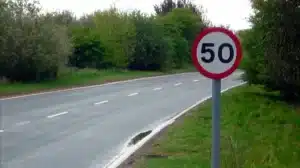
Driving in Uganda as a tourist can be an exciting way to explore the country at your own pace. Driving gives travellers the freedom to experience Uganda beyond the usual tourist routes. However, road conditions, traffic, weather and driving habits can vary considerably from one part of the country to another. Understanding how driving works in the country will help you prepare for a safer and more enjoyable journey.
Driving Side in Uganda

Uganda drives on the left side of the road so travelers need to familiarise themselves with this before heading out on long journeys.
Uganda drives on the left-hand side of the road, following the British road system. Vehicles are generally right-hand drive, and drivers keep to the left except when overtaking or turning.
Travellers from countries where vehicles drive on the right may need some time to adjust. Extra attention is particularly important when entering roundabouts, making turns at junctions and changing lanes. If you are not accustomed to left-hand driving, spending your first few kilometres on quieter roads can help you become comfortable before tackling busy urban traffic.
Requirements for driving in Uganda
One of the most frequently asked questions is whether or not tourists can drive in Uganda. The answer is yes, provided they have the appropriate driving documentation and meet the requirements of their vehicle rental company. A valid driving licence is essential, while an International Driving Permit may be required or recommended depending on your licence and circumstances.
Before collecting your rental vehicle, ensure that your driving documents, passport, rental agreement and insurance information are readily available. Your rental company should also explain the vehicle’s controls, insurance coverage, emergency procedures and any restrictions that apply to your journey.
Travellers planning to cross Uganda’s borders into Kenya, Rwanda or Tanzania should inform the rental company before travelling because additional documentation, insurance and authorisation may be required.
Driving safety in Uganda.
Another concern travelers have is whether it is safe to drive to drive in Uganda. Driving in Uganda can be safe when visitors understand the local environment and drive defensively. The biggest challenge for many first-time visitors is not the road itself but the variety of road users sharing it.
In towns and cities, you will encounter motorcycles, commonly known as boda bodas, pedestrians, bicycles, taxis, trucks and private vehicles. Some motorcycles move quickly through traffic and may appear unexpectedly. Pedestrians may also cross roads in areas where there are no formal crossings.
Outside urban areas, you may encounter livestock, pedestrians, cyclists and agricultural vehicles. Roads can also pass directly through communities, meaning drivers need to watch for people and animals entering the road.
Driving defensively is therefore important. Maintain a reasonable speed, keep a safe following distance and avoid assuming that another driver has seen you. When approaching towns, trading centres and busy junctions, reduce your speed and expect increased activity.
Driving in Kampala

Boda bodas are particularly common throughout Kampala and can move between lanes and around stationary vehicles. Pedestrians are also common along major roads and residential streets.
If you are unfamiliar with Kampala, it is advisable to avoid unnecessary driving during peak traffic hours. Allow additional time when travelling to meetings, hotels, Entebbe International Airport or destinations across the city.
Navigation applications can be useful, but they should not be treated as perfect indicators of journey times. Local traffic conditions can change quickly, and some smaller roads may be difficult to navigate during heavy rain.
For visitors who are uncomfortable with Kampala’s traffic, hiring a vehicle with a local driver can be a convenient alternative. A local driver will usually have a better understanding of traffic patterns, alternative routes and busy areas.
Driving outside Kampala
Once you leave Kampala, the driving experience generally becomes less congested, although road conditions vary considerably.
Major highways connecting Kampala with destinations such as Jinja, Mbarara, Fort Portal, Gulu and other major towns are generally paved. However, traffic, roadworks, potholes and roadside activity can still affect driving speeds.
Rural roads can be considerably different. Some are paved, while others are gravel, dirt or uneven tracks. During the dry season, unpaved roads can become dusty. During the rainy season, they may develop deep ruts, mud and slippery sections.
It is important to plan journeys based on realistic driving times rather than distance alone. A journey of a few hundred kilometres may take considerably longer than expected because of traffic, road conditions, towns along the route and weather.
Best vehicles to drive in Uganda

A Land Cruiser Hard-Top is one of the most reliable vehicles for very long distance travel that may also include cross-border safaris.
You do not necessarily need a 4×4 for every journey in Uganda. If you are travelling between major towns and staying primarily on paved highways, a standard vehicle may be sufficient.
The situation changes when you are planning a safari or travelling into remote areas. A 4×4 car rental in Uganda is strongly recommended for many safari itineraries because national park roads are often unpaved and can become difficult during rainy weather. It provides greater ground clearance and better traction on rough, muddy and uneven roads. This makes it particularly useful when visiting destinations such as Kidepo Valley, Bwindi Impenetrable National Park, Mgahinga, Murchison Falls, Queen Elizabeth and other remote safari areas.
The choice of vehicle should also depend on the season, route, number of passengers and luggage. Travellers carrying camping equipment or travelling long distances through remote areas may benefit from a more capable 4×4 than someone visiting only major towns.
The best rental vehicle depends on your itinerary. Travellers staying within Kampala and travelling mainly on paved roads may find a standard vehicle sufficient.
For longer journeys and safari trips, a Toyota Land Cruiser Prado offers a comfortable combination of space, ground clearance and off-road capability. Larger Land Cruiser models can be particularly useful for groups, camping trips and demanding safari routes. For very long distances that include cross-border transfers, the Land Cruiser Hard-Top is highly recommended.
Travellers should consider the number of passengers, luggage requirements, destination, season and whether they intend to self-drive or hire a driver when choosing a vehicle.
Self-Drive in Uganda
A Uganda self-drive safari offers flexibility and independence. You can decide when to leave, how long to spend at a destination and where to stop along the way. It can also be a rewarding option for experienced travellers who enjoy road trips and want to explore Uganda independently.
However, self-driving requires preparation. You should understand your route before starting each journey and ensure that your vehicle is suitable for the roads you intend to use.
Remote areas require additional planning because fuel stations, accommodation, mobile network coverage and mechanical services may be limited. Before leaving a major town, check your fuel level and make sure you have adequate supplies for the journey ahead.
If you are entering a national park, familiarise yourself with park regulations and driving conditions before beginning your game drive.
Hiring a car with a driver in Uganda
Travellers who do not want to manage Uganda’s roads themselves can hire a vehicle with a professional driver. This option is particularly useful for first-time visitors, families, long-distance travellers and safari guests.
A local driver understands the road network and can help with navigation, traffic and changing road conditions. For safari travellers, a driver-guide can provide additional value by understanding wildlife areas, game-drive routes and the behaviour of different animals.
Hiring a driver also allows you to concentrate on enjoying the scenery rather than constantly checking navigation or worrying about unfamiliar roads.
Driving in Uganda’s national parks
Driving inside Uganda’s national parks requires a different approach from driving on public roads. Most park roads are unpaved, and some can become challenging during periods of heavy rain. Wildlife always has the right of way. Elephants, buffaloes, giraffes, antelopes and other animals may cross roads or approach vehicles. Drivers should maintain a safe distance and avoid making sudden movements or loud noises that could disturb animals.
Game drives should be conducted according to the rules of the particular park. Visitors should remain on designated routes where required and follow instructions from park authorities or guides. A 4×4 vehicle is particularly valuable in national parks because of the uneven terrain. Some tracks contain deep sand, mud, rocks or steep sections that can be difficult for ordinary vehicles.
Road conditions during the rainy season
Uganda has two main rainy periods, although rainfall patterns vary across different parts of the country. Rain can significantly affect driving conditions, particularly on rural and national park roads.
Heavy rain can create muddy sections, reduce visibility and make gravel roads slippery. Some roads may also develop potholes or deep drainage channels. Mountainous areas such as southwestern Uganda can present additional challenges because of steep and winding roads.
This does not mean that you cannot travel during the rainy season. Uganda remains accessible throughout the year, but you should allow more time for journeys and choose an appropriate vehicle. A well-maintained 4×4, good tyres and careful driving can make a significant difference when travelling during wet conditions.
Driving at night in Uganda
Although driving at night is possible, tourists are generally better off limiting long-distance night driving. Outside major towns, many roads have limited lighting, and pedestrians, cyclists, motorcycles and animals can be difficult to see after dark. Some roads may also have unexpected potholes, parked vehicles or roadside activity. These risks become more difficult to identify when visibility is poor.
For this reason, plan long journeys so that you arrive at your destination during daylight whenever possible. Safari travellers should also follow the operating hours and regulations of individual national parks.
Speed and traffic regulations
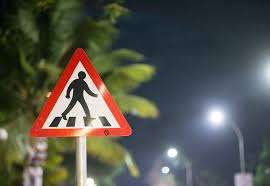 Drivers should always follow posted speed limits and other road signs, as well as inquire about some of the traffic regulations in Uganda. Speed restrictions can vary depending on the road and whether you are driving through an urban or rural area.
Seat belts should be worn by everyone in the vehicle, and drivers should avoid using mobile phones while driving. Drink-driving is dangerous and can have serious legal and safety consequences. Traffic enforcement takes place across Uganda, and visitors should not assume that being unfamiliar with local roads excuses them from following traffic regulations.
Because traffic regulations and penalties can change, travellers should confirm the latest requirements before beginning their trip.
Fuel availability in Uganda
Fuel stations are widely available in Kampala and other major towns, as well as along many major highways. However, availability becomes less predictable as you travel into remote regions. This is particularly important when visiting destinations such as Kidepo Valley National Park or travelling through sparsely populated areas. Do not wait until your fuel gauge is nearly empty before looking for a station.
A good rule is to refuel whenever you reach a reliable fuel station and know that the next part of your journey will take you into a remote area.
What to check before starting your journey
Before leaving with a rental vehicle, inspect the vehicle and familiarise yourself with its controls. Check the tyres, spare tyre, lights, indicators, windscreen, mirrors and fuel level.
You should also understand how to use the vehicle’s four-wheel-drive system if you are renting a 4×4. Do not wait until you are stuck in mud to learn how the system works.
Keep your rental documents, driving licence, passport and insurance information accessible. Save your rental company’s emergency contact details on your phone and confirm how roadside assistance works before starting your journey.
Driving Across Uganda’s Borders
Uganda shares borders with Kenya, Rwanda, Tanzania, South Sudan and the Democratic Republic of Congo. Cross-border road trips can therefore be an exciting way to explore East Africa.
However, a rental vehicle cannot automatically be taken across an international border. You must obtain permission from the rental company and ensure that the vehicle has the appropriate documentation and insurance.
Cross-border requirements differ between countries, so discuss your itinerary with the rental company before booking. Give the company sufficient notice if you plan to visit Rwanda, Kenya or Tanzania so that the necessary arrangements can be made.
Driving Etiquette in Uganda
Good driving etiquette can make your journey easier and safer. Be patient, particularly when travelling through busy towns. Avoid unnecessary use of the horn and give pedestrians and other road users sufficient space.
When overtaking, make sure you have adequate visibility and room to complete the manoeuvre safely. Do not assume that vehicles travelling towards you will react in the same way you expect.
In rural communities, slow down when passing markets, schools, villages and trading centres. Children, pedestrians, bicycles and animals may enter the road without warning.
Best routes for a smooth self-drive safari

Explore the Equator crossing in Queen Elizabeth National Park via the western route, marking the point where the Northern and Southern Hemispheres meet.
Uganda has a seriously well planned and maintained road networks. The road network can accessibly connect to various top tourist destination without driving back. In these few paragraphs we discuss, the best tourist routes to consider when opting to drive in Uganda.
- Northern Route (the Big five route): The northern route connects to two major tourist destinations. The Murchison Falls National Park and Kidepo Valley National Park are the major ends for tourists. A trip via this route can include the Ziwa Rhino Sanctuary, which is Uganda’s only natural rhino sanctuary. When combined with the two parks, there is a possibility of watching the full list of Big Five mammals. This route connects to two cities; Gulu city and Arua city and might as well connect to the borders of two neighboring countries of South Sudan in the north and Democratic Republic of Congo.
- Northeastern round circuit route: The northeastern route is Uganda’s best safari circuit route. The route connects to 5 various cities of Gulu, Arua, Mbale, Soroti, and Jinja. Places to visit on this route include Murchison Falls National Park, Kidepo Valley National Park, Ziwa Rhino Sanctuary, Mt. Elgon National Park, Sipi falls, Karamoja communities, Jinja adventure city.
- Western circuit routes: The western route is a biodiversity rich route which introduces to unique wildlife species. The western route starts right from Kampala taking the Kampala Mityana road. The route continues from Kampala to Mityana, Mubende, to Fort Portal. Easily accessed tourist destinations on the western route include Kibale National Park, Mt. Rwenzori National Park, Semuliki National Park and Queen Elizabeth Nation. This is one of easy route to drive. It can be accompanied by several en-route tourist spots including cultural places, crater lakes, tea plantations, hills among others. However, the western route directly connects with the Southwestern routes to reach some other prominent destinations in the greater western region.
- Northwest circuit route: This connects majorly Murchison Falls National Park to Kibale National Park. It’s a transit route from the northern route to the western route. It continues to connect to the rich and amazing southwestern route. Visitors get an opportunity to see the BIG-5 and the Unique 2(Chimpanzee and Gorillas), all in one route.
- Southwestern route: This is the route of amazing landscapes and exciting wildlife encounters. It’s the route to the unforgettable gorilla trekking in Bwindi Impenetrable National Park. This same route leads to Queen Elizabeth National Park for tree climbing lions and golden monkey trekking. Other destinations to explore with the southwestern routes include Lake Mburo National Park, Mgahinga Gorilla National Park, Lake Bunyonyi and Rwanda
Self-Drive Vs chauffeur-driven Which is better?
There is no single option that works for every traveler. Self-drive is ideal for experienced drivers who value independence and are comfortable navigating unfamiliar roads. It can make a Uganda road trip feel more personal and adventurous.
Hiring a driver is often more convenient for travellers who want to relax, families with children, first-time visitors or people planning a demanding safari itinerary. A professional driver can handle navigation, traffic and difficult roads while allowing passengers to concentrate on the scenery and wildlife.
For safari travellers, a driver-guide can provide an additional advantage because local knowledge can improve wildlife viewing and help visitors understand the destinations they explore.