
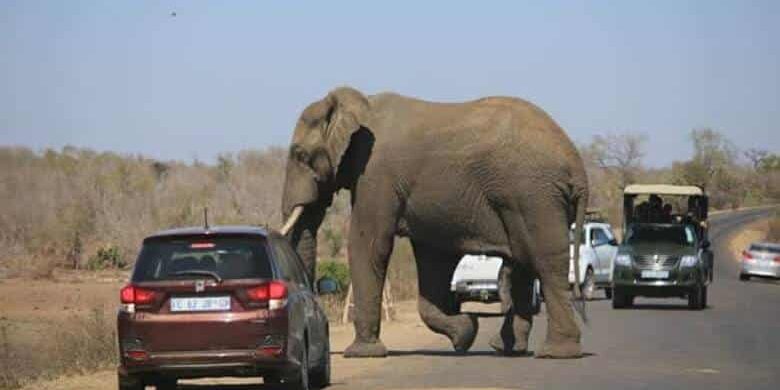
A 4×4 Uganda self-drive safari offers one of the most exciting ways to explore East Africa. Uganda combines wildlife safaris, mountain landscapes, tropical forests, crater lakes, and vibrant local culture in one compact destination. Travelers who choose a self-drive experience enjoy freedom, flexibility, and direct contact with nature without depending on fixed group schedules.
Uganda stands out as the “Pearl of Africa” because of its incredible biodiversity and scenic beauty. The country hosts over 1,000 bird species, the endangered mountain gorillas, tree-climbing lions, the source of the Nile, and several national parks spread across different regions. A reliable 4×4 Uganda self-drive vehicle allows travelers to navigate rough roads, muddy tracks, and remote safari routes comfortably throughout the year.
Adventure travelers prefer Uganda because every region offers a unique experience. One day you can track gorillas in Bwindi Impenetrable National Park, and the next day you can cruise on the Kazinga Channel or drive through the vast savannah plains. A self-drive itinerary gives you enough time to explore these destinations at your own pace while keeping travel costs manageable.
This complete 10-day Uganda self-drive safari itinerary covers the best destinations, driving routes, accommodation options, road conditions, travel tips, and the ideal duration for an unforgettable journey through Uganda.
Why choose a 4×4 Uganda self-drive safari?
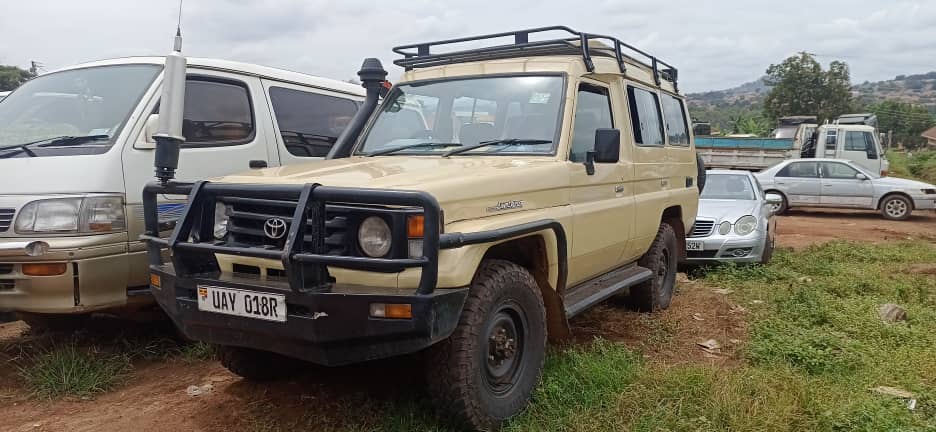
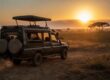
A 4×4 Uganda self-drive safari gives travelers complete control over their adventure. Uganda’s national parks contain rugged terrain and seasonal roads that require strong and reliable vehicles. Most safari destinations become difficult to access during the rainy season, which makes a 4×4 vehicle essential.
Travelers often choose Toyota Land Cruisers, Toyota Rav4s, and safari vans because they handle rough roads effectively. A 4×4 vehicle also improves comfort during long-distance travel across Uganda’s countryside.
The self-drive option reduces costs compared to guided safaris. Travelers can choose where to stay, where to stop, and how long to spend at each attraction. Many visitors enjoy spontaneous encounters with local communities, roadside markets, tea plantations, and scenic viewpoints.
Uganda’s road network continues to improve, especially on major highways connecting Kampala to national parks. However, national park tracks remain rough and challenging in many areas. A 4×4 Uganda self-drive setup provides confidence and safety during the trip.
Best time for a 4×4 Uganda self-drive adventure
Uganda experiences a tropical climate with two dry seasons and two wet seasons. The dry seasons from June to September and December to February provide the best conditions for a 4×4 Uganda self-drive safari.
During these months, wildlife viewing becomes easier because animals gather near water sources. Roads inside national parks remain more accessible, and gorilla trekking trails become less slippery.
The rainy seasons from March to May and October to November create muddy road conditions, especially in Bwindi, Queen Elizabeth National Park, and Kidepo Valley National Park. Travelers who visit during the wet season should prioritize strong 4×4 vehicles with high ground clearance.
Uganda remains a year-round destination because temperatures stay moderate throughout the year. Travelers can still enjoy excellent wildlife encounters during rainy months with proper planning.
Day 1: Arrival in Kampala for your 4×4 Uganda self-drive safari
Most international travelers arrive through Entebbe International Airport. After landing, travelers collect their rental vehicles from trusted car rental companies near Entebbe or Kampala.
Before beginning the journey, inspect the vehicle carefully. Confirm the condition of tires, brakes, lights, spare wheel, jack, and fuel level. Many self-drive travelers also request camping equipment, GPS navigation, rooftop tents, and camping chairs.
Kampala provides an excellent starting point for purchasing supplies, local SIM cards, bottled water, snacks, and fuel. Travelers can spend the evening exploring local restaurants, nightlife, and craft markets before beginning the safari.
The drive from Entebbe to Kampala usually takes between one and two hours depending on traffic.
Day 2: 4×4 Uganda self-drive to Murchison Falls National Park

Murchison Falls National Park offers one of the best introductions to Uganda’s wildlife. The journey from Kampala to the park takes approximately five to six hours through Masindi.
Travelers often stop at Ziwa Rhino Sanctuary along the way for rhino tracking. This sanctuary protects Uganda’s only wild rhinos and plays a major role in conservation. The good news is that UWA recently relocated some of the rhinos to Kidepo Valley National so travellers can see the BIG-FIVE in their entirety.
Upon entering Murchison Falls National Park, visitors encounter giraffes, elephants, buffaloes, antelopes, warthogs, and several bird species. The park covers vast savannah landscapes intersected by the Nile River.
The highlight of the park remains the powerful Murchison Falls where the Nile squeezes through a narrow seven-meter gorge before crashing into the river below. Travelers can drive to the top of the falls for spectacular views and photography. Game drives in the northern sector provide excellent wildlife sightings, especially during early morning hours.
Day 3: Exploring wildlife in Murchison Falls National Park
A boat safari along the Nile forms an essential part of the Murchison experience. The cruise brings travelers close to hippos, crocodiles, elephants, and numerous bird species including the rare shoebill stork.
Early morning game drives increase the chances of spotting lions and leopards. The park hosts over 76 mammal species and more than 450 bird species.
Self-drive travelers should always observe park speed limits and avoid driving after dark. Wildlife frequently crosses roads inside the park, especially during evening hours.
Several accommodation options exist inside and outside the park ranging from budget campsites to luxury safari lodges.
Day 4: 4×4 Uganda self-drive journey to Kibale Forest National Park

After Murchison Falls, travelers may continue south-west toward Kibale Forest National Park. The drive takes approximately seven to eight hours through scenic countryside landscapes.
Kibale Forest National Park ranks among Africa’s best primate destinations and is considered the primate capital of the world. The forest contains 13 primate species including chimpanzees, black-and-white colobus monkeys, and red-tailed monkeys.
The region around Fort Portal features crater lakes, tea plantations, and rolling hills that create beautiful scenery for road trips.
Chimpanzee trekking remains the top activity in Kibale Forest. Guided treks allow visitors to observe chimpanzees feeding, grooming, and communicating within their natural habitat.
Travelers should book chimpanzee permits in advance because availability becomes limited during peak travel seasons.
Day 5: Chimpanzee trekking and 4×4 Uganda Self-drive to Queen Elizabeth National Park
Start the day by trekking through Kibale Forest to see the playful chimpanzees and then proceed to Queen Elizabeth National Park. Queen Elizabeth NP sits a few hours south of Kibale Forest and offers one of Uganda’s most diverse safari experiences.
The park combines savannah plains, wetlands, forests, crater lakes, and the famous Kazinga Channel. Wildlife sightings commonly include elephants, buffaloes, lions, hyenas, hippos, and antelopes.
The Kasenyi Plains provide excellent game-viewing opportunities during morning drives. Travelers often spot predators hunting near the open grasslands.
A boat cruise on the Kazinga Channel brings visitors close to one of Africa’s highest concentrations of hippos. The channel also attracts crocodiles, elephants, buffaloes, and countless water birds.
Self-drive travelers appreciate the flexibility to explore different sectors of the park including Katwe salt lakes and scenic crater regions.
Day 6: Tree-climbing lions and scenic game drives

The Ishasha sector of Queen Elizabeth National Park attracts travelers searching for Uganda’s famous tree-climbing lions. These lions often rest in fig trees during hot afternoons.
The road between the northern and southern sectors of the park provides beautiful scenery with rolling savannah and distant mountain views.
A 4×4 Uganda self-drive vehicle becomes particularly important in Ishasha because road conditions can become rough after rainfall. Travelers should carry enough fuel before entering remote park sections because fuel stations remain limited inside protected areas.
Day 7: 4×4 Uganda Self-Drive to Bwindi Impenetrable National Park
Start the journey to Bwindi Impenetrable National Park in the morning. Bwindi represents the highlight of many Uganda safaris. The journey from Queen Elizabeth National Park to Bwindi takes approximately four to six hours depending on the selected sector.
Bwindi protects nearly half of the world’s remaining mountain gorillas. The park’s thick rainforest and mountainous terrain create an unforgettable atmosphere for adventure travelers.
Gorilla trekking permits remain essential and should be secured several months before travel. Uganda Wildlife Authority regulates gorilla trekking carefully to support conservation efforts. The trek itself can last between two and eight hours depending on gorilla movements. Rangers guide visitors through dense forest while sharing information about gorilla behavior and conservation.
Meeting mountain gorillas in the wild creates a deeply emotional wildlife experience that few destinations can match. Some travellers usually visit local communities like the Batwa in the evenings when time allows but some prefer to do it after the trek.
Day 8: Preparing for gorilla trekking during your 4×4 Uganda self-drive safari

Travelers should prepare physically for gorilla trekking because the terrain often becomes steep and slippery. Essential items include waterproof hiking boots, long-sleeved clothing, gloves, rain jackets, drinking water, and insect repellent.
Porters are available at trekking starting points and provide valuable assistance on difficult trails. Hiring a porter also supports local communities living near the park.
Bwindi contains several sectors including Buhoma, Ruhija, Rushaga, and Nkuringo. Each sector offers different accommodation choices and trekking experiences. As earlier mentioned, you may decide to visit the Batwa community aftr the gorilla trek or explore nearby markets and homes.
Day 9: 4×4 Uganda self-drive to Lake Bunyonyi
After gorilla trekking, many travelers head to Lake Bunyonyi for relaxation. The drive from Bwindi takes approximately two to three hours.
Lake Bunyonyi ranks among Uganda’s most scenic destinations. The lake features 29 islands surrounded by terraced hills and cool highland temperatures. Adventure travelers can enjoy canoeing, swimming, birdwatching, and cultural tours around the lake. The peaceful atmosphere provides an ideal break after demanding gorilla treks.
Several lodges and campsites overlook the lake and offer beautiful sunrise and sunset views.
Day 10: Return journey to Kampala/Entebbe
The drive from Lake Bunyonyi back to Kampala or Entebbe takes approximately seven to eight hours. Travelers often stop at the Uganda Equator crossing in Kayabwe for photography and souvenir shopping.
The Equator monument remains one of Uganda’s popular roadside attractions and marks the halfway point between the northern and southern hemispheres.
Upon reaching Entebbe, return rental vehicles and prepare for departure flights.
Essential tips for a successful 4×4 Uganda self-drive safari
- Travelers should always carry enough cash because some remote areas lack card payment systems. Fuel stations also become scarce in distant regions.
- Google Maps and offline navigation apps help with route planning, but travelers should still ask locals for directions in remote areas.
- Road signs remain limited in some regions, especially near national parks. Driving during daylight hours improves safety and navigation.
- Uganda drives on the left-hand side of the road. Police checkpoints appear frequently along highways, so travelers should carry valid driving permits and vehicle documents at all times.
- Travel insurance, first aid kits, spare tires, and emergency contacts remain important for long-distance self-drive trips.
Accommodation Options for a 4×4 Uganda Self-Drive Safari
Uganda offers accommodation choices for every budget. Budget travelers can stay at campsites, hostels, and guesthouses near national parks. Mid-range lodges provide comfortable rooms, restaurant services, and guided activities at affordable rates.
Luxury safari lodges offer premium experiences with private cottages, gourmet dining, and excellent wildlife views. Many travelers prefer rent a 4×4 with a rooftop tent because it increases flexibility and reduces accommodation expenses during long safaris.
Why adventure travelers love the 4×4 Uganda self-Drive experience
Adventure travelers value the independence that comes with a self-drive safari. Uganda allows visitors to connect directly with landscapes, wildlife, and local communities without strict schedules.
Driving through Uganda reveals hidden waterfalls, local markets, tea plantations, fishing villages, and roadside viewpoints that many organized tours overlook. The combination of gorilla trekking, wildlife safaris, primate encounters, and cultural experiences makes Uganda one of Africa’s most rewarding road trip destinations.
A well-prepared 4×4 Uganda self-drive safari creates unforgettable memories while giving travelers complete freedom to shape their own adventure.
Final thoughts
A complete Uganda self-drive safari delivers one of Africa’s most diverse and rewarding travel experience.
Choosing a 4×4 Uganda self-drive vehicle gives travelers the confidence to explore remote destinations comfortably and safely. The flexibility of self-driving allows visitors to spend more time where they feel most inspired while discovering hidden gems along the journey.
Uganda’s wildlife diversity, scenic landscapes, friendly communities, and world-famous gorilla trekking experiences continue to attract adventure travelers from around the world. Proper planning, reliable vehicles, and a well-structured itinerary help create a smooth and unforgettable safari.




3 Comments