Renting a car in Uganda is one of the best ways to explore this country for someone visiting for the first time. Uganda is naturally blessed with diverse wildlife, savannah grasslands, the great rift valley and vibrant cultures. The biggest highlight is the unforgettable gorilla trekking experience. Uganda offers a once in a lifetime experience and memories that will last a lifetime. Getting around this beautiful country is easier and more affordable when you rent a car either for self drive or chauffeur driven.
When renting a car in Uganda, remember that it is one of the best ways to explore the country’s safari destinations and remote landscapes on your own schedule. It also gives you the freedom to plan your itinerary as you please.
This complete guide walks you through everything you need to know including vehicle choice, insurance, driving tips, park permits, safety, budgeting, and practical checklists so that your safari runs smoothly.
Choosing the right car rental agency

Look out for user reviews to determine their experiences and better still, ask friends or family for recommendations. It is also important to consider the response time and book your vehicle in advance especially during the peak seasons of June-September and December to February.
Why your vehicle choice matters
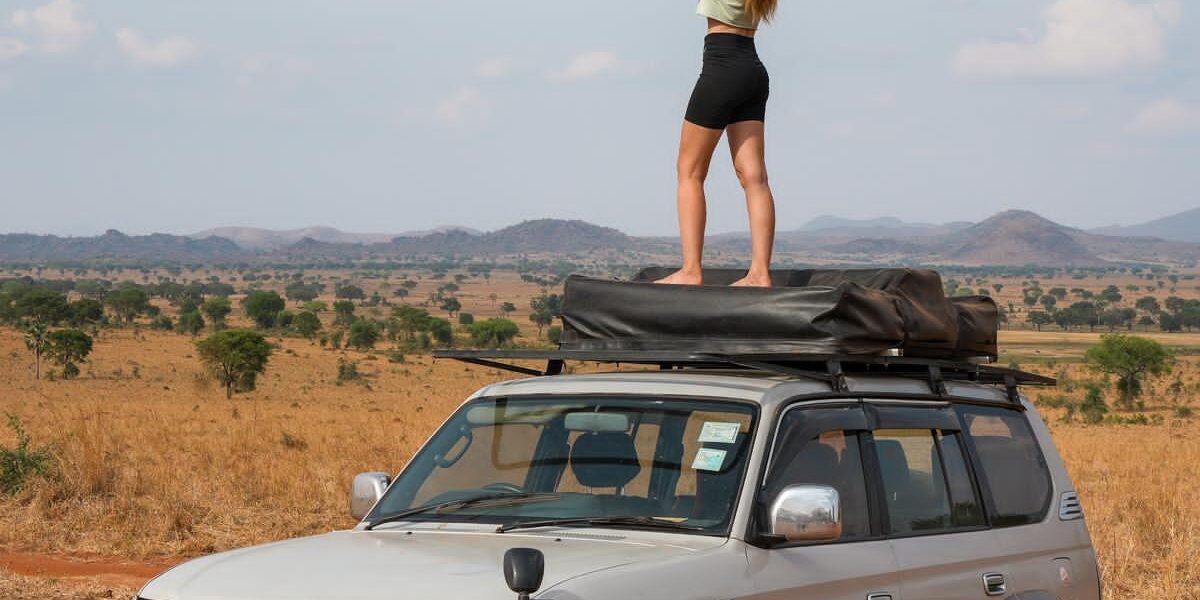
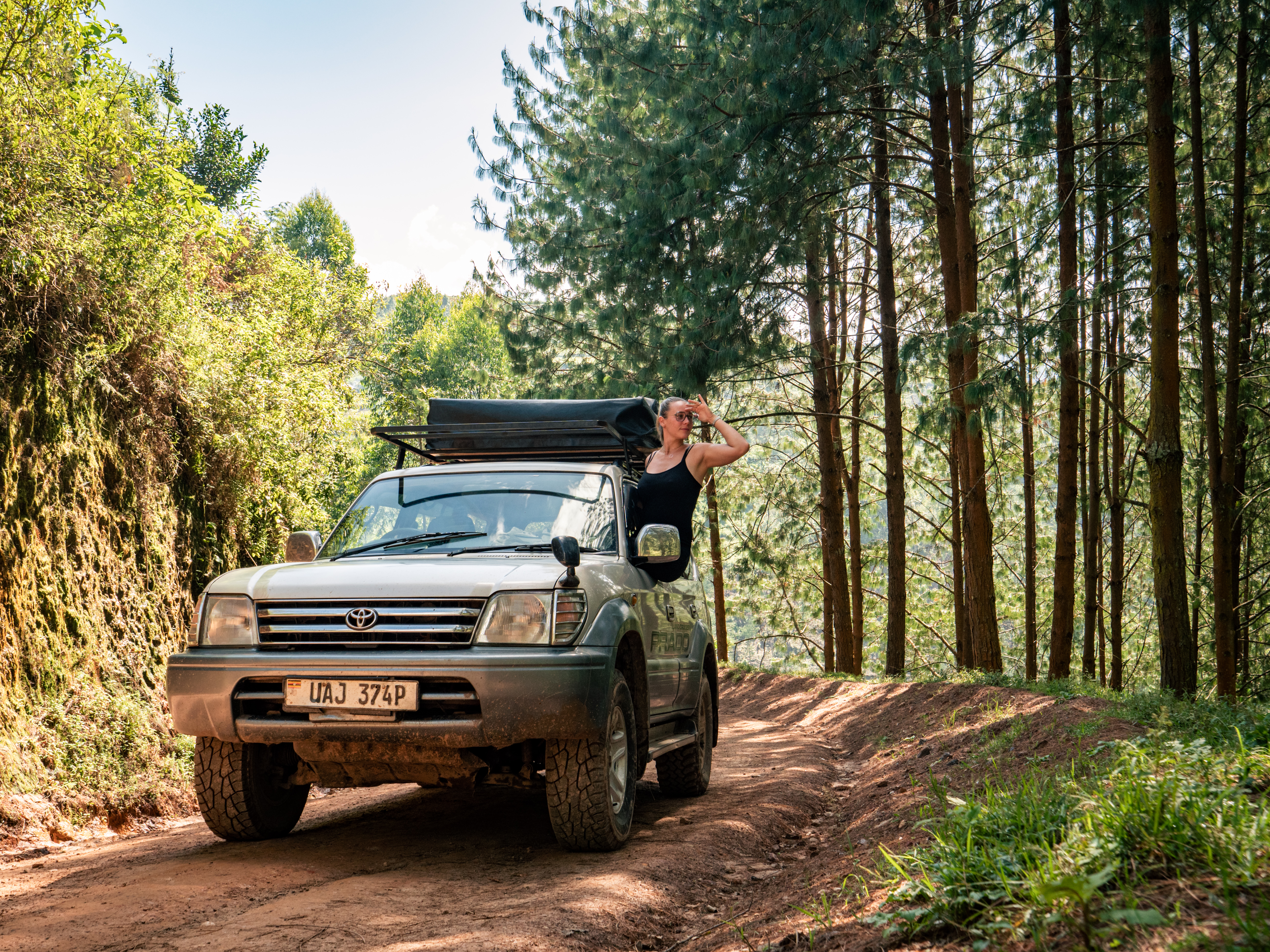 Uganda’s main safari destinations have variable road qualities with many tracks inside parks unpaved, rutted and can become nearly impassable in the rainy season. For safety, reliability and access, a high-clearance 4×4 is the recommended choice. 4×4 vehicles have better traction and low-range gearing for muddy tracks and steep inclines. The higher ground clearance prevents the vehicle from damage caused by rocks and potholes and they usually have ample space for passengers, luggage and safari gear.
The common vehicle choices in Uganda include the Toyota Land Cruiser hardtop or station wagon (6–9 seats), Toyota Prado, Land Rover Defender/Discovery and Nissan Patrol. If you plan to camp or cross borders, it is advisable to consider hardtops or roof-high vehicles that allow pop-up roofs for viewing wildlife and roof tent/rack mounting.
In order to choose the right vehicle for your trip, consider your travel group, personal preferences, accommodation needs(hotel/camping),length of your trip and most importantly your budget.
Self-drive or chauffeur-driven?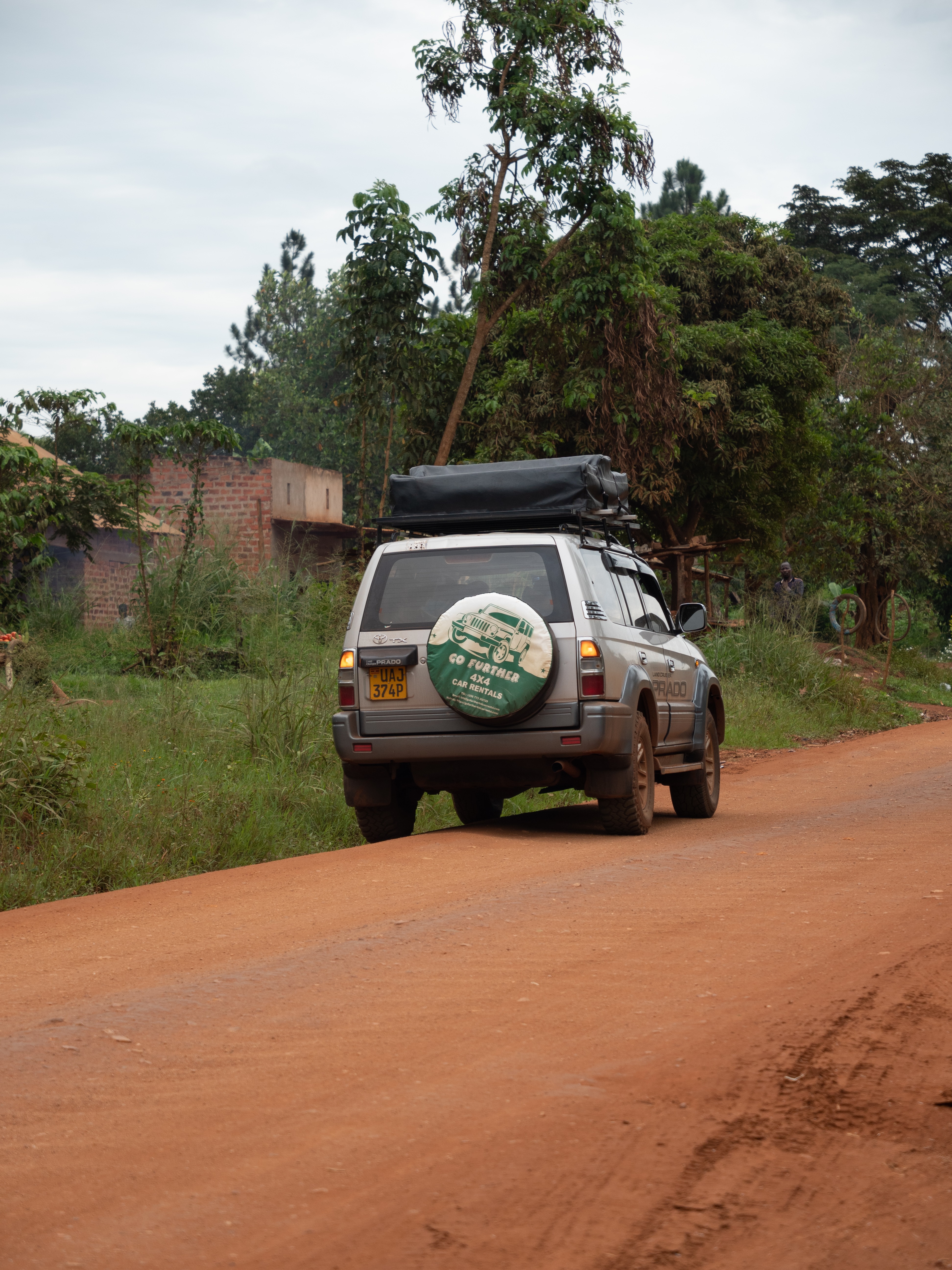
This is a question that most travellers find hard to answer. Choosing to have a driver or self drive in Uganda is a decision that should not be made without thoroughly comparing both options.
Self drive gives independence and can be cheaper if you’re experienced with rough roads. Make sure you are comfortable driving long distances on unpaved tracks and in variable conditions. Some roads (especially in remote parks) require local knowledge to avoid getting stuck.
On the other hand, chauffeur-driven is highly recommended if you lack off-road experience. Local drivers know park routes, animal behaviour, and recovery procedures. Many rental companies offer hires with professional driver-guides who simplify permits and park liaison. Driver-guides are also great companion if you’re a solo traveller, and they may also act as personal translators and security in some circumstances.
The decision to have a chauffeur or not is entirely up to the traveller.
Documents and eligibility
One of the requirements for renting a car in Uganda is the renter’s passport for identification purposes. If you plan to be picked up at the airport, you’ll be requested to share your flight details for proper planning. You’re also required to communicate in case of any changes or delays in your flight.
For travelers wishing to self drive, you’re required to have a valid driver’s license from your home country with a minimum of 2-3years of driving experience. If your home driving licence is not in English, you’re required to have an International Driving Permit(IDP). Remember that the minimum driving age for foreigners in Uganda is 23-25 years and maximum is 65years.
Insurance and waivers

Understanding the local insurance policies is an assured way of having a seamless trip when renting a car in Uganda. Third-party liability is mandatory so ensure that it is valid and up to date.
You may also choose to purchase the Collision Damage Waiver (CDW). This reduces your financial responsibility for damage in case of an accident so always check the excess amount you have to pay. Also ask about and understand roadside assistance, towing cost coverage, and policies for spare parts replacement. You may also consider travel insurance that covers medical evacuation and vehicle incidents.
Vehicle inspection
Before you head out for your trip, it is crucial to thoroughly inspect the vehicle and document everything using photographs or a form provided by the rental agent. Check for dents, scratches, rust, underbody damage and make sure that the light work properly. Other things to look out for include oil level, coolant, battery condition, fuel levels, seat belts, windows, AC, fire extinguisher, toolkit among others. Also Confirm that the vehicle is equipped with at least one full-size spare tyre (preferably two for remote trips), high-lift jack, jump leads, basic tool kit and spare fan belts/fuses.
Costs and budgeting
Expect higher daily rates for 4x4s and added costs for drivers, fuel, roof racks, pop-top modifications, insurance excess, and park fees. The daily cost of a 4×4 may vary depending on the season and model(age). However, we highly recommend long term deals if you need good discounts.
The cost of fuel is based on mileage and vehicle consumption. Many vehicles have diesel engines and diesel is widely available. However, when refuelling your vehicle, use reputable fuel stations like Total, Shell or Stabex for good quality fuel. Always make it a point to refuel in major towns to avoid running out of fuel in the middle of nowhere.
When renting a car in Uganda with a driver, the accommodation and meals of the driver will be included in your rental fee.
Park entry fees and activity permits are not included in the car rental fee. Park entry fees and conservation levies are paid separately to Uganda Wildlife Authority (UWA) or local authorities. Rates differ for foreign non-residents, residents, and East African citizens. Some parks require prior bookings for park access, chimpanzee permits (Kibale), or gorilla permits (Bwindi/Mgahinga) which should be secured months in advance. Confirm whether your vehicle needs special access permits. Drivers must adhere to UWA guidelines regarding spacing, photography, and habitat protection.
Cross-border travel
If you plan to cross into Kenya, Rwanda or Tanzania, obtain written permission from the rental company and secure additional insurance (COMESA) and visas. Many companies do not allow cross-border travel on older or heavily modified vehicles so you may need to check in advance.
Driving tips for foreigners in Uganda
- Drive conservatively on unpaved roads as speed increases chance of puncture, accidents or getting stuck.
- Use low-range gearing for steep or muddy tracks and avoid sudden acceleration on loose surfaces.
- Always watch out for pedestrians, livestock and boda-bodas (motorbike taxis) in towns.
- Night driving is risky outside towns because wildlife, unlit vehicles and poor road markings may cause problems.
- Follow park rules like speed limits, no off-track driving, maintain distance from wildlife, and limits on noise.
- Driving in Uganda is on the left side of the road
- Avoid driving in Kampala because it is chaotic and motorcyclists can be reckless. If you want to move around Kampala, consider Uber or motorcycle taxis like Safe Boda but should you prefer to drive, avoid morning and evening rush hours because of the crazy traffic jam.
- Lock doors in towns and avoid displaying valuables.
- Avoid littering
- Book your gorilla or chimp permits far in advance and align your vehicle hire dates.
- If you’re inexperienced, opt for a driver-guide for a peace of mind.
- Read the rental agreement carefully and understand the terms of the rental agency.
- Purchase a local sim card for Internet connection and communication purposes.
- Finally, endeavour to keep emergency contacts and embassy details on hand; and also share your itinerary with your friends or family and where possible, share a live location.
Overall, having the right vehicle, proper planning and local knowledge, a self-driven or guided safari through Uganda can be a deeply rewarding and flexible way to experience its wildlife and landscapes. Prioritize a well-maintained 4×4, clear insurance terms, and a solid plan for routes, fuel and emergency support and you’ll be set for an unforgettable trip.