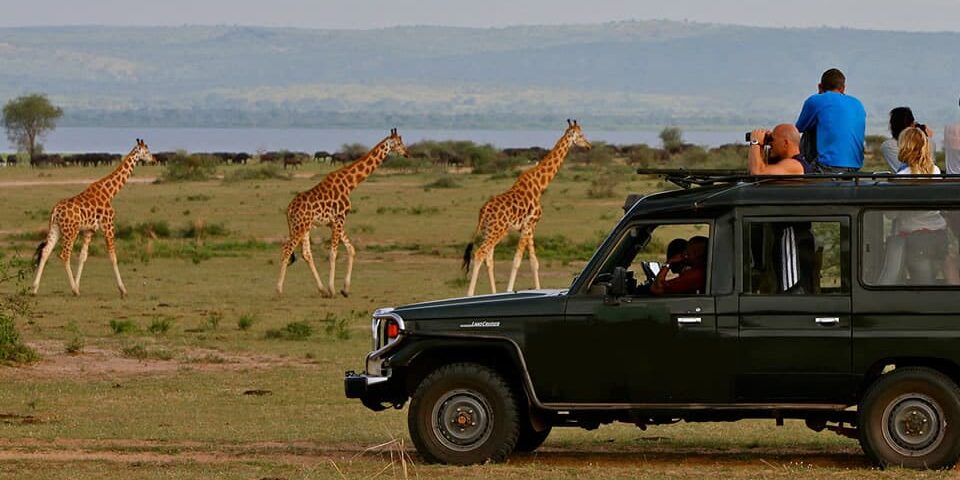
A safari adventure and renting a car in Kenya is a dream come true for many travellers. This stunning country is at the coast of East Africa and is a wonder in the eyes of many travellers. One of the most unforgettable experiences in Kenya is the up-close interaction with the giraffes in Nairobi. Also, the hot air balloon in Masaai Mara NP that gives you an opportunity to glide silently above the grasslands. You also spot various wildlife including wildebeest herds during the great migration. The picturesque flamingos on lake Nakuru and the vibrant Masaai encounters create unforgettable memories.
Having the right vehicle is crucial for a successful and enjoyable journey. Renting a car in Kenya provides the flexibility and freedom to explore the region’s diverse landscapes and wildlife at your own pace. For someone visiting or renting a car in Kenya for the first time, here is a comprehensive guide for a smooth experience.
Vehicle specifications

Make sure that the vehicle you choose is equipped with 4-wheel drive (4WD) to navigate off-road tracks and the rough and slippery terrain commonly found in safari destinations.
It is also important to consider the vehicle’s ground clearance. Most roads leading to game parks are rough. You need a car that will maneuver over the uneven surfaces and through shallow streams without getting stuck.
More still, think about the size of your group. Choose a vehicle the has ample sitting capacity, enough legroom and cargo space. This is to ensure comfort for all the passengers and avoid cramping.
Reputable car rental operator
When choosing a car rental agency for your vehicle needs in Kenya, you have to be extra careful to avoid getting scammed. You may even choose a rental company that will give you headache.
Consider a company with a strong reputation, online presence, consistency in communication, and a variety of vehicle fleets. Most importantly, choose one with a physical address and liscence to operate.
You may also ask friends or family who have rented cars in Kenya before for recommendations.
Budgeting and prices
One of the most important things to consider when renting a car in Kenya is the price of the vehicle and your personal budget. Most companies charge daily rates and these vary depending on the vehicle type , season, additional amenities and duration of the rental period.
During the peak tourist seasons of June to September and December to February, prices are usually higher due to high demand. To get fair prices on car rentals, you may want to travel during the low seasons or book way in advance if you intend to travel during the peak season.
When looking at the prices of the vehicles, also be keen about the additional/extra fees that may sometimes go unnoticed.
To even further cut the on the cost, look for discounts or promotional offers and compare prices from several car rental companies until you find the price that fits within your budget. Most companies give discounts if you’re renting a car for a longer period of time; say two weeks, a month and more.
Insurance and liability coverage

Insurance coverage is an essential aspect of renting a 4×4 safari vehicle in Kenya to protect against unforeseen circumstances and potential liabilities. Third party insurance is mandatory in Kenya and every vehicle must have it.
However, some companies may charge for extra insurance coverage like the Collision Damage Waiver. This reduces the renter’s liability in the event of an accident. It also offers theft protection in case the car is stolen. Comprehensive insurance covers both third party and cases like fire, and vandalism. It also covers natural disasters, falling objects, animal damage and glass damage.
For travellers intending to cross borders within East Africa, the COMESA insurance is mandatory and you may be charged extra for it. It is important to read and understand all the insurance terms before signing the rental agreement.
For travellers that have purchased travel insurance or those whose credit card companies cover insurance, carefully check what it covers. Also check what it does not cover to avoid double payments or paying for unnecessary products.
Documents and requirements
Before renting a car in Kenya, there are requirements you must meet and documents you must have. First of all, you must be above 18years of age and if you opt for self drive, you must not be younger than 23 years with at least 2 years of driving experience.
Also, you must have a valid driver’s licence from your home country and if it’s not in English, you’re required to have an International Driving Permit. If you’re caught driving without a driving permit, you’ll be fined KES 7,000 and repeated offenders may face jail time.
You will also need a passport for identification purposes and a credit card for payment.
Traffic guidelines
Traffic rules are designed to promote safety of the drivers, passengers and pedestrians. These may vary from one country to another. So it’s important to familiarize yourself with the local guidelines especially if you’re considering self drive.
In Kenya, driving is on the left side of the road.
The speed limits are 50kmph in urban areas, 80kmph on rural roads, 110kmph on highways and 30kmph in national parks. Exceeding these limits fetches a fine of KES 500 to KES 10,000 depending on the severity and if you’re caught driving recklessly, fines range from KES 20,000 to KES 100,000 including possible jail time and suspension of your license.
Seat belts are mandatory for all occupants including the front and back seats.
What happens when you use your mobile phone while driving?
Avoid using a mobile phone while driving without a hands free device. This fetches a KES 2,000 fine and possible jail time if you cause an accident while on the phone.
There are also strict laws against driving under the influence, with penalties including fines, imprisonment, and license cancellation.
With rental cars, make sure that the driver who has registration with the rental agency is the only that gets behind the wheel. If you’re travelling as a group and would want to alternate driving, please register all the designated drivers. Note that tourists are not above the law in Kenya and if caught in the wrong, they also face the same penalties; if not worse.
Road conditions

understanding Kenya’s road conditions is key if you’re looking to self drive.
Road conditions in Kenya can vary widely depending on the location and time of year. Major highways are generally well-maintained. However, rural roads and tracks in national parks may be rough and unpaved, with occasional road works.
The roads leading to safari destinations are gravel or dirt. These can become very muddy during rainy seasons and super dusty during the dry seasons. You’ll therefore need a vehicle that can navigate all these roads effortlessly and this is where a 4×4 vehicle comes in handy.
Final thoughts
As you prepare to embark on a safari trip of a lifetime in Kenya, we advise that you keep an open mind. You’ll encounter people with different customs, traditions and characters. It is therefore important to try and blend in. Part of what makes a memorable trip is not just the wildlife but the locals you meet and interact with.
We encourage responsible tourism that focuses on preservation and conservation of wildlife habitats and the environment at large. When you get a chance, take part in or donate towards these initiatives and support local businesses. Above all, savor the local delicacies for unforgettable experiences. Do not forget to contact GoFurther 4×4 Car rentals for all your travel needs.