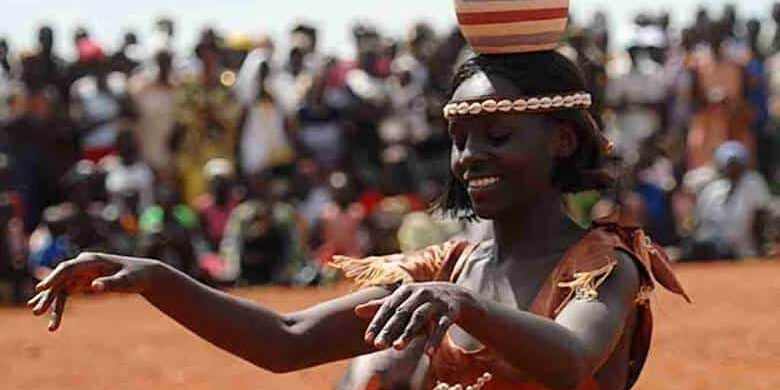
Traveling to Uganda, often regarded as the “Pearl of Africa,” promises rich cultural experiences amidst stunning landscapes. While Uganda is known for its diverse ecosystems and wildlife, visitors should also be prepared for various cultural differences that may come as a surprise.
Uganda is one of Africa’s most ethnically diverse countries with over 56 tribes; each speaking their own language and have different cultures, traditions and beliefs. These cultural norms can help enhance your journey and foster respectful interactions. Experiencing Uganda is an adventure that transcends stunning landscapes and wildlife encounters; it is also an immersion into rich traditions, family ties, and societal norms that shape the nation
As you embark on your adventure in Uganda here are some notable cultural shocks you might encounter
Greetings and social etiquette
One of the striking features of Ugandan culture is the importance placed on greetings. In Uganda, greetings are more than just a formality; they signify respect and mutual recognition. In some communities you’ll notice that women and children kneel before elders while greeting them.
Ugandans also kneel as a way of appreciation. It is customary to greet everyone present before starting a conversation, so be prepared to engage in lengthy greetings. A typical greeting may involve asking about someone’s well-being, family, and even their livelihood.
Ugandans usually shake hands, and this can often evolve into a more elaborate greeting that involves gentle shoulder-to-shoulder contact followed by smiles and laughter. Visitors should be aware that failing to greet appropriately may be seen as rude or dismissive.
Language diversity;

Another interesting cultural shock is that most Ugandans do not understand each other when speaking. This is because the country has over 56 tribe and each has their own language. Someone from the western part of Uganda will not understand someone from the Northern part since there us nothing common in their languages.
However, English and Swahilli are the official languages and many Ugandans especially in urban areas speak English fluently but those in rural areas rely heavily on their local languages.
It is important to learn basic phrases like greetings to break the ice and demonstrate respect for local customs. Locals appreciate it when visitors make an effort to6 communicate in their language, and this fosters goodwill and stronger connections.
Gender roles and family structure
Uganda has a rich cultural heritage that influences its views on gender roles and family dynamics. Traditionally, Ugandan society has been patriarchal, meaning men often hold primary positions of authority. However, this dynamic is evolving, especially in urban areas, where women pursue education and participate actively in the workforce.
In some parts of Uganda for example the northern part, the gender roles have shifted. In most homesteads, women go to the farms, and take their produce to market for sale and bring all the money to the men who stay at home.
Also in urban centres, there is a large number of women who work to make ends meet while the men are jobless. It is crucial to understand these dynamics because discussions about gender equality may evoke various responses depending on the context of the conversation and the individuals involved.
LGBTQ society
Uganda has strict anti-homosexual laws, with same-sex relationships being illegal since 2023 when the president signed the Anti-Homosexuality Act of 2023 prescribing severe penalties, banning same-sex marriage, and the promotion of gay rights. The law criminalises Identifying as LGBTQ with penalties ranging from fines to jail time.
LGBTQ individuals may face severe discrimination incited by conservative leaders and state officials especially when they publicly express themselves.
It is important to note that members of the LGBTQ community are not banned from visiting Uganda. They are free to visit as long as they don’t engage in promotion of their rights and carry out their acts in privacy.
Family and cultural values
Family is the cornerstone of Ugandan society and Extended families often live together or in close proximity, offering support in both financial and emotional contexts. This may be best witnessed in Karamoja where the entire family lineage lives in one big homestead usually in separate hats.
These families share meals, spend leisure time together and do chores together. As you dive deeper into other villages, you will notice that people from the same family have houses in the same neighbourhood. Even in urban homes, it is common to find members from the same extended family living together under one roof.
This reliance on extended family can be surprising for visitors, particularly those from cultures that emphasize nuclear family structures. Community gatherings around meals and ceremonies are common. Whenever there is a family event or funeral in a Ugandan home, everyone participates in cooking, cleaning and making sure the event is a success.
Wedding planning and funeral services are a new trend in Uganda. Visitors may also be invited to participate in such ceremonies. These events can be lively affairs, deeply involving traditional music, dance, and food, providing insights into Ugandan culture and values.
Imbalu

Did you know that circumcision among the Bagisu people of eastern Uganda is done publicly? Well, it is done in a ceremony called Imbalu which is an important rite of passage for boys transitioning to manhood, typically between 14 and 18 years old.
The boys are prepared for the ceremony by their families and community elders and the circumcision procedure is performed by a traditional surgeon using a sharp knife. During this ceremony, the young boys walk around naked amidst cheers and support from the local community and the older boys.
The ceremony is an important part of Bagisu cultural heritage and it strengthens community ties and reinforces traditional values.
Some efforts have been made to involve medical professionals in the ceremony to ensure safer practices and educating communities about the importance of safe circumcision practices.
Dining customs
Meals in Uganda are usually a communal affair, with family and friends sharing food from a single platter. The use of hands, especially the right hand, is common when eating. Dining etiquette dictates washing hands before and after a meal, as utensils may be minimal or absent. Visitors may find it peculiar initially, but it is essential to embrace this practice as a cultural norm. Beer sharing is a common practice in rural areas where more than 10 people can drink beer from the same pot, often sharing straws.
It is polite to finish what is served to you, as leaving food on your plate can be interpreted as a sign of disrespect or dissatisfaction.
Traditional beliefs and spirituality
Uganda is a melting pot of religions, with Christianity and Islam being the most prominent. However, traditional beliefs and practices are still prevalent, reflecting a deep reverence for spiritual customs and ancestral worship.
In rural areas, many families adhere to traditional healing practices, using herbs and rituals. Outsiders may be surprised to encounter individuals who blend modern medical practices with traditional ones. Being respectful and open-minded towards these beliefs is essential, as they play a significant role in Ugandan identity.
Dress code and modesty
Ugandans generally dress modestly, especially in rural areas. For women, skirts or dresses that cover the knees are common, while men typically wear long trousers. Casual wear is acceptable in urban areas, but being overly revealing can evoke disapproval. Visitors are encouraged to respect local customs by dressing conservatively, especially when visiting rural communities or places of worship.
Music, Dance, Drama and food

Music and dance play a central role in Ugandan culture. Traditional Ugandan music often involves drumming and communal dancing, with performances showcasing various ethnic groups and their histories. Visitors may find it surprising how integral these art forms are to social gatherings, celebrations, and even daily life. Visit the Ndere Cultural Centre in Kampala to get a vibrant glimpse into this significant aspect of Ugandan culture. This Centre also has a restaurant that serves food from all parts of the country.
Community-based tourism
Uganda emphasizes community-based tourism, allowing visitors to engage directly with local communities. This aspect may be surreal for travellers accustomed to more commercialized tourism experiences. In Uganda, visitors are often invited to participate in daily activities, learn traditional crafts, or experience local cooking styles, which can significantly enrich their understanding of Ugandan life and foster meaningful interactions.
These community engagements can provide a deep appreciation of cultural heritage and allow travelers to witness the impact of tourism on local livelihoods, all while promoting sustainability. As a traveller in Uganda, it is important to approach this journey with an open mind and respect local customs.
Tribal events

Uganda is home to over 56 tribes each with their own traditions and beliefs. The capital of Uganda Kampala lies in the Buganda region which is ruled by the Kabaka (king). Kampala being the major trade and business centre in Uganda attracts people from all tribes all over the country. These tribes have formed their own communities and hold events annually to get together, know one another and celebrate their culture. The most famous tribal event in Kampala is the Bakiga Nation celebrated by the Bakiga from Southwestern Uganda. This event attracts thousands of bakiga and other tribes. There is lots to eat and drink and entertainment from local performers. It is an event visitors would enjoy taking part in. Other popular events include Abatooro Kwengonza and, Iwacu heza organised by the Batooro and Bafumbira respectively.
Approaching your journey with an open mind, willingness to engage, and respect for local customs will foster interactions that go beyond superficial tourism. In doing so, you’ll not only enjoy the breathtaking beauty and incredible wildlife but also cultivate a deep appreciation for the vibrant, resilient culture that characterizes this remarkable country.
Gofurther 4×4 Car Rentals awaits to journey with you as you explore and immerse in these unique cultures. Contact us for vehicles that will take you to even the remotest parts of the country with ease. We will ensure that you have an unforgettable experience.