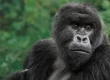
Gorillas are large primates with adult males (silverbacks) weighing between 300 to 485 pounds (135 to 220 kg) and standing about 4 to 6 feet tall (1.2 to 1.8 m) when upright. They belong to the family Hominidae, which also includes humans, chimpanzees, and orangutans.
They are the closest relatives to human beings with an approximately 98% similarly in their DNA. They literally have the same complex social structures living in families with the males as the family heads, have the same gestation period of nine months and can be affected by the same diseases.
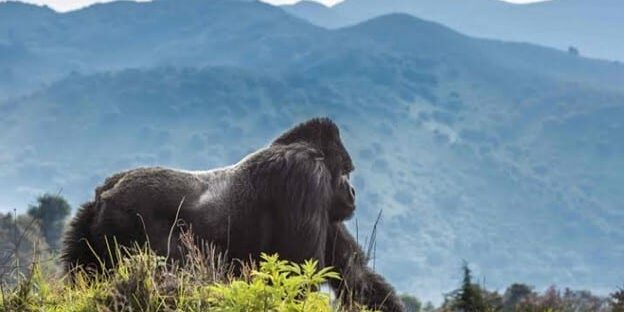
Mountain gorillas are highly endangered and are native to the Virunga ranges that stretch from Rwanda through Uganda to the Democratic Republic Of Congo (DRC). There are two species of gorillas: the Eastern Gorilla (Gorilla beringei) and the Western Gorilla (Gorilla gorilla).
These Mountain gorillas have been put on the IUCN Red List as critically endangered animals due to habitat loss, poaching, and disease; and efforts have been put in place to conserve them. There are approximately 1,063 mountain gorillas left in the world and a third of this population is in Rwanda.
Gorilla trekking is one of the main attractions for tourists in Rwanda, particularly in Volcanoes National Park, which is part of the Virunga Mountains, located in the north-western part of Rwanda. By road, Volcanoes NP is about 104km from the capital city Kigali.
Gorilla trekking is a once in a lifetime experience where you get to look for and observe these creatures in their natural habitats. Here is everything you need to know about gorilla trekking in Rwanda.
Permits: In order to be allowed to trek gorillas, a trekking permit from the Rwanda Development Board(RDB) is required. This permit can be purchased on the RDB website or your tour operator can help you purchase one. The price of this permit is $1500 which contributes to conservation efforts and the livelihoods of local communities.
There are very limited slots for trekkers on every given day and only 8 people are allowed to trek each day. This makes the permits highly competitive and in high demand especially during the dry season of June to September. It is therefore advisable to book your permit way in advance (about 6 months) before you travel.
In Rwanda, gorilla trekking permits are generally non-refundable and once purchased, they cannot be reimbursed except under very specific circumstances, such as medical emergencies or natural disasters that prevent access to the park and with appropriate documentation. Even then, refunds are granted at the discretion of the Rwanda Development Board (RDB)

Trekking Experience: The trekking begins early in the morning with a briefing at the park headquarters. You are expected to be at the park headquarters by 7:00am so it is important to choose accommodations that are very close to or within the park.
A group of 8 people is usually assigned to a specific gorilla family and the trek can take between one to several hours, depending on the location of the gorillas. Sometimes, you may find gorillas within less than an hour if you’re lucky. The trekking process involves hiking through thin paths, rugged terrain and dense forests. Think of it as a treasure hunt.
The trekking process is led by the park rangers and guides who follow the trails left behind by the gorillas. If you have a backpack or filming equipment, you may get a porter at $20 to help you carry your stuff. Before your trek, you’ll be given walking sticks that will support you as you climb but note that once the gorillas are located, you’ll need to put the sticks down to avoid stressing the gorillas. They see these sticks as hunting weapons and you may get attacked if you’re holding one.
Viewing Guidelines: Once you locate the gorilla family, you are allowed a maximum of one hour with them. During this time, avoid making sudden movements, keep your voices down and maintain a distance of at least 7 meters (about 23 feet) from the gorillas. Visitors are allowed to film and photograph the gorillas as long as the flashes on their phones or cameras are turned off. You’re also not allowed to feed or eat near the gorillas. It is often advisable to wear a face mask to avoid contracting diseases from the gorillas and also infecting them if you’re sick
There’s no age limit as long as you’re above 13 years and are in perfect physical shape to hike. Because of the mountain ranges, you may experience altitude sickness if the gorillas are on the peaks.
Dress code
The weather in the Virunga ranges is unpredictable and it may rain occasionally even during the dry seasons because of the altitude and dense vegetation. Put on long trousers and long sleeved shirts to avoid getting scratched be tree branches and thorns. Always carry a sweater or jacket because it is usually cold and if it has rained, be advised to put on rubber boots or shoes with rough soles since the paths become very slippery.
Avoid putting on very bright colors because they make gorillas uncomfortable. Dull colors like army green, dark blue, navy blue, maroon, brown and black are highly recommend.
Best Time to Visit: The best time for gorilla trekking in Rwanda is during the dry seasons, from June to September and December to February. However, trekking can occur year-round.
Other Activities

In addition to gorilla trekking, visitors can engage in other activities, such as golden monkey trekking, hiking, bird watching visiting local communities, or exploring the beautiful landscapes and other wildlife of the area. You may also visit the Ellen De Generes campus of the Dianne Fossey foundation and make donations to further help with the conservation efforts.
You can support local communities by purchasing art crafts and other souvenirs from the gift shops or stalls.
Gorilla trekking in Rwanda is a unique and memorable experience that contributes to the conservation of these magnificent animals while offering visitors the chance to witness them in their natural habitat. As conservation efforts continue, awareness and sustainable tourism play crucial roles in protecting gorillas and their ecosystems.
To have an unforgettable experience you need a reliable car rental company with vehicles that will navigate the rough terrains that lead to Volcanoes NP and Go Further 4×4 Rwanda is here to meet those needs. Do not hesitate to contact us for further information about gorilla trekking in Rwanda .