Hidden Gems of Tanzania
Tanzania, located in East Africa, is most famously known for its iconic landmarks such as Mount Kilimanjaro, the Serengeti National Park, and the pristine beaches of Zanzibar. Yet, beyond these well-trodden paths lies a wealth of hidden gems that showcase Tanzania’s unique cultural heritage, diverse landscapes, and rich biodiversity. Exploring these lesser-known destinations offers an alternative perspective of this beautiful country, revealing the authentic experiences that are often overshadowed by the major tourist attractions.
Whether you are an adventure seeker, a nature enthusiast, or a cultural explorer, Tanzania’s hidden gems promise unforgettable experiences.
In this article, we will take a deeper dive into some of Tanzania’s hidden treasures. .
Saanane Island National Park

Located in Lake Victoria, Saanane Island National Park is the country’s smallest national park, covering just 3.2 square kilometres. It was declared a national park in 2013 but is often overlooked by tourists flocking to larger parks. However, its tranquillity and marine biodiversity make it an undiscovered paradise for those seeking a peaceful retreat.
The island is home to a variety of wildlife, including monkeys, birds, and several antelope species. Visitors can trek along the well-marked trails, birdwatch, and enjoy stunning views of Lake Victoria. The park’s diverse ecosystems, such as freshwater wetlands and forests, support a rich array of flora and fauna.
Saanane Island also holds cultural significance, as it has been inhabited by various communities over the centuries. Local fishermen still use traditional fishing methods, providing a glimpse into the lifestyles of the people living in the region.
Iringa and the ruins of Isimila
Iringa is located in the central highlands and is a charming town known for its cooler climate, historical significance, and beautiful landscapes. Just outside of Iringa lies the ancient ruins of Isimila, which showcase a rich history dating back to the stone age.
The Isimila archaeological site features impressive stone tools, fossilized remains, and extraordinary natural rock formations that date back thousands of years. The “Isimila Stone Age Site” is considered one of the most important archaeological sites in Tanzania, attracting those interested in the country’s ancient human heritage.
Visitors to Iringa can also explore the town’s vibrant markets, local craft vendors, and the nearby Ruaha National Park, known for its diverse wildlife. Iringa’s location as the gateway to Ruaha makes it a significant stop between the two major attractions.
By visiting Iringa, travellers can engage with local communities, experience the rich culture of the Hehe people, and support local artisans by purchasing their handmade crafts.
Ngorongoro Conservation Area
While the Ngorongoro Crater is widely recognized as one of Tanzania’s most famous attractions, the broader Ngorongoro Conservation Area contains some hidden gems that are frequently overlooked. This UNESCO World Heritage Site is home to diverse landscapes, wildlife, and indigenous cultures.
Away from the popular crater, the Olmoti and Empakai Craters provide stunning scenery, lush hills, and opportunities to explore less-trodden paths. Hiking in these areas allows visitors to experience the beauty of the Ngorongoro Highlands while observing wildlife such as buffalo, elephants, and various bird species.
Additionally, the Maasai people inhabit the Ngorongoro Conservation Area, offering visitors a chance to learn about their unique culture, traditions, and pastoral lifestyle. Engaging with the Maasai through community visits and cultural ceremonies enhances understanding of this vibrant culture that has thrived for centuries.
Lake Natron

Located at the base of Mount Oldoinyo Lengai, Lake Natron is a spectacular salt lake that is lesser-known compared to other attractions in Tanzania. The lake’s striking red and orange colours caused by high concentrations of salt and microorganisms create a surreal landscape that is a haven for photographers.
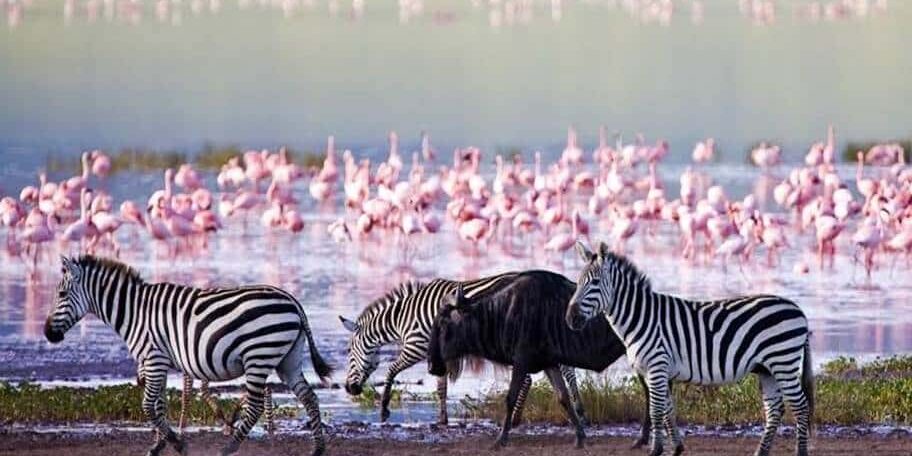
Lake Natron is a breeding ground for flamingos, and thousands of birds flock to the area during the wet season. The sight of flamingos feeding and nesting along the shores is truly mesmerizing. Adventurous visitors can also hike up Mount Oldoinyo Lengai; an active volcano known for its unique natrocarbonatite lava.
The lake and surrounding region is inhabited by local Maasai communities, who often consider it a sacred place. Visitors can learn about the Maasai’s traditions and their relationship with the land, making it an enriching cultural experience.
Kigoma and Gombe Stream National Park
Located on the shores of Lake Tanganyika, Kigoma is a vibrant port town known for its natural beauty and cultural significance. The nearby Gombe Stream National Park is famous for its chimpanzee populations, as researched by the renowned primatologist Jane Goodall.
While many tourists flock to Gombe for chimp tracking, Kigoma itself offers rich experiences such as visiting the local fishing communities, exploring the vibrant market scene, and taking boat rides on Lake Tanganyika. The lake, known for its clear waters, also offers excellent opportunities for snorkelling and diving.
Kigoma is a former centre for the East African slave trade and a stopping point for explorers like Henry Morton Stanley. Exploring the town provides insights into Tanzania’s complex history and the peoples that have inhabited it.
Mahale Mountains National Park
Mahale Mountains National Park, situated along the shores of Lake Tanganyika, is one of Tanzania’s most remote and stunning national parks. Known for its rugged mountains and pristine forests, Mahale is a paradise for nature lovers and adventure seekers.
The park is famous for its large populations of wild chimpanzees, as well as its spectacular hiking trails that offer breath-taking views of the surrounding landscapes. Unlike more crowded parks, Mahale provides an intimate connection with nature, where visitors can observe chimpanzees and engage in eco-tourism activities like kayaking and fishing.
The local communities, including the Aldo people, still practice traditional fishing and farming methods, providing an authentic experience of rural life in Tanzania. Engaging with local cultures enhances the appeal of Mahale and provides insight into the historical and cultural context of the region.
Bagamoyo

Bagamoyo is located along the coastline of Tanzania. It is a coastal town steeped in history and rich in cultural heritage. Once one of the most important ports in East Africa, Bagamoyo served as a trade route for ivory and slaves during colonial times.
Visitors can explore the historical sites, such as the Old Fort, the Kaole Ruins, and the historical slave trade market. The Bagamoyo Arts Festival showcases the rich artistic and cultural heritage of the region. The town’s vibrant markets and local crafts provide opportunities to immerse oneself in the local culture.
Bagamoyo is also known for its cultural renaissance, where artists, musicians, and dancers gather to celebrate local traditions. Participating in such events enables travellers to appreciate the artistry and creativity that flow through Tanzanian culture.
Pemba Island
Often overshadowed by its more famous neighbour, Zanzibar, Pemba Island is a lesser-known gem that boasts lush landscapes, pristine beaches, and rich cultural heritage. The island is renowned for its clove plantations and untouched beauty.
Pemba offers exceptional diving and snorkelling, with vibrant coral reefs teeming with marine life. Visitors can explore the crystal clear waters around Misali Island, a marine conservation area that is home to dolphins, turtles, and colourful fish.
Pemba is rich in Swahili culture, with opportunities to engage with local communities and learn about traditional fishing methods and clove processing. The island’s historical sites, mosques, and vibrant local markets further enhance the cultural experience.
Tanzania is a country bursting with hidden treasures that go beyond its world-renowned attractions. Each of the destinations highlighted in this article offers a unique perspective on Tanzania’s rich biodiversity, cultural heritage, and historical significance. From the tranquil shores of Lake Natron to the cultural vibrancy of Bagamoyo, these hidden gems reveal the depth and diversity of the Tanzanian experience.
As travellers seek authentic experiences in Tanzania, exploring these lesser-known destinations allows for a deeper connection with the local people and landscapes. Endeavour to support local communities and initiatives by purchasing local produce or souvenirs and also don’t forget to tip your service providers since their salaries can barely support their livelihood.