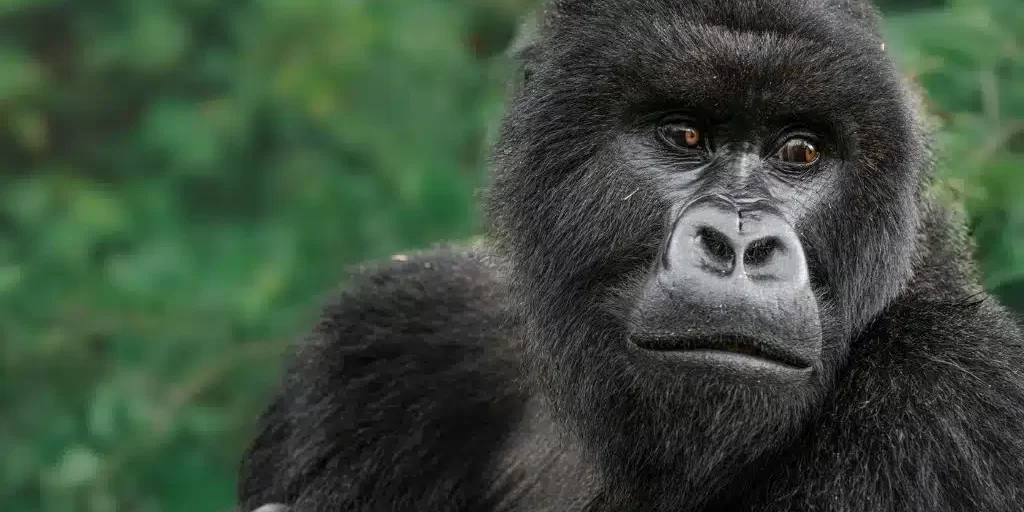
The Uganda Wildlife Authority (UWA) has confirmed sweeping changes to the way gorilla trekking permits are managed and priced. This is a move aimed at boosting conservation revenues, improving service delivery, and strengthening protection for endangered mountain gorillas ahead of the 2027 tourism season. These measures build on recent increases in permit fees and reflect broader strategic priorities in Uganda’s wildlife tourism sector.
Gorilla trekking remains one of Uganda’s most sought-after tourist experiences. It attracts international visitors to Bwindi Impenetrable National Park and Mgahinga Gorilla National Park, two of Africa’s premier habitats for the globally endangered mountain gorillas. Tourism revenues from these permits fuel anti-poaching patrols, community development programs, ranger training, and habitat protection efforts. These are all critical to conserving a species that numbers just over 1,000 individuals in the wild.
New permit pricing and categories

Foreign Non-Residents (FNR): USD 800 per person
Foreign Residents (FR): USD 700 per person
Rest of Africa (ROA) Citizens: USD 500 per person
East African Community (EAC) Citizens: UGX 300,000 per person
These new fees, which came into force on 1 July 2024 replaced the previous structure and are designed to balance affordability with the need to invest significantly in conservation and park management.
However, gorilla habituation permits ,allowing visitors up to four hours with a gorilla family under controlled conditions are priced higher:
FNR: USD 1,500
FR: USD 1,000
ROA: USD 1,000
EAC: UGX 750,000
The habituation experience remains one of the rarest wildlife encounters in the world. It is in high demand among photographers, filmmakers, as well as researchers.
The shift to digital and enhanced permit controls
In addition to pricing changes, UWA has overhauled its permit issuance procedures. In January 2026, the authority announced that physical printing of permits at the reservations office has been discontinued. Instead, permits are now issued electronically directly to official tour operator email addresses after payment confirmation. This process reduces bureaucratic bottlenecks and curb fraud and impersonation in the booking system.
This digital transition complements broader efforts to tighten control over bookings and improve accountability. It also addresses long-standing concerns over fraud that have previously plagued permit systems and revenue collection.
Permit availability and allocation limits
Despite the gorilla trekking permit price changes and system reforms, the number of gorilla trekking permits remains strictly limited. Bwindi and Mgahinga parks maintain a maximum of eight permits per gorilla family per day. This minimizes stress on the animals and protects their natural behavior, a conservation standard consistent with international best practices.
Bwindi, Uganda’s primary gorilla trekking destination, boasts more habituated gorilla families than nearly any other protected area in Africa. Visitors are encouraged to book permits well in advance, particularly for peak travel months (June–September and December–February).
Why the changes?
Officials from UWA and tourism stakeholders say the revised pricing and system are part of a broader strategy to ensure that Uganda remains competitive with other great ape tourism destinations while delivering maximum conservation impact.
Although gorilla trekking in Volcanoes National Park commands higher permits (often USD 1,500 or more), Uganda continues to position itself as the best value destination for mountain gorilla encounters, offering comparable wildlife experience for a lower fee.
The additional revenue from permit fees contributes directly to anti-poaching teams, veterinary interventions, community livelihood projects, and park infrastructure. These are crucial elements in sustaining gorilla populations that were once teetering on the brink of extinction.
How does the community benefit?
Income from gorilla permits is not retained solely by UWA. It is shared with local communities surrounding park boundaries. A portion of the revenue supports community-initiated projects such as clean water systems, schools, and healthcare facilities. These in turn helps mitigate human–wildlife conflict and builds local stewardship over wildlife resources.
Many former poachers and individuals previously reliant on unsustainable hunting practices have transitioned into guides, porters, and conservation advocates, underscoring the socio-economic importance of tourism revenues to rural economies around national parks.
Planning for 2027: What travelers should know

Effective 1 January 2017, foreign non residents will pay $1000 for a gorilla trekking permit. Travelers should therefore plan in advance and endeavor to book their permits earlier to avoid inconveniences.
Final thoughts
Uganda’s strategic revisions to gorilla trekking permit pricing and administrative procedures reflect a broader commitment to conservation economics, visitor experience, and sustainable tourism growth. As the country looks toward the 2027 wildlife tourism season, stakeholders across government, conservation, and community sectors are aligned in promoting a model that balances global tourism appeal with ethical wildlife management.
For international travelers seeking an unforgettable encounter with the world’s most iconic great apes, Uganda remains one of the most compelling and responsible destinations where every gorilla trekking permit purchased is not just a ticket to an adventure, but an investment in the future of mountain gorilla conservation.