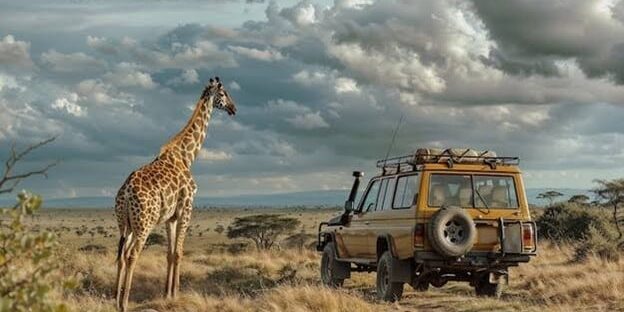
Renting a car in Tanzania is an absolute gamechanger for travelllers embarking on a safari in this magnificent country. Tanzania is one of the world-class safari destinations in Africa and is a country that promises rewarding experiences for anyone seeking an unforgettable safari adventure. It has an extraordinary concentration of wildlife, spectacular landscapes and layered cultures that together create some of the most iconic and varied safari experiences on earth. From the endless plains of the Serengeti, the volcanic caldera of Ngorongoro, to the baobab-dotted woodlands of Tarangire, Tanzania offers dramatic backdrops for close encounters with elephants, lions, giraffes, hippos, crocodiles and thousands of bird species.
Renting a car in Tanzania for self drive or chauffeur driven is the best way to explore Tanzania since it gives you the freedom to design your own itinerary, detour to lesser-known reserves, and move at a pace that a scheduled tour can’t match. However, travelling across Tanzania’s mix of paved highways, dusty tracks and seasonal riverbeds requires careful planning and the right vehicle. You need to think of your comfort and safety before embarking on this journey.
In this blog, we bring you a complete guide that will ensure your comfort and safety as you rent a car to explore this magnificent country.
Set your dates and plan your itinerary
This is hands on the first step to renting a car in Tanzania. You can not reserve a vehicle for a trip if you do not know when you’ll be travelling. Setting dates is also a tricky process. For a memorable experience in Tanzania, plan your trip during the dry months of June-September and December to February. This period has the best game viewing weather, the roads are more navigable and you’ll get an opportunity to see one of the biggest wonders of the world; the great migration in Serengeti National park.
Should you plan your trip during the dry season which also happens to be the peak tourist season, bear in mind that you have to book your vehicle way in advance since demand is very high and this may lead to spiked prices if you book last minute.
Also properly plan you itinerary to determine your rental period, and share it with your car rental agent.
Search for a trusted car rental company.
After setting the dates for your trip and confirming your flights, you can go ahead and search for a company that will meet your transportation needs. This process needs to be handled with utmost care because your car rental agent will either make or ruin your safari experience. Take time to look at a couple of companies on the internet, look at the user reviews, compare prices and better still, ask friends and family who’ve visited Tanzania before for recommendations.
Choose the right vehicle
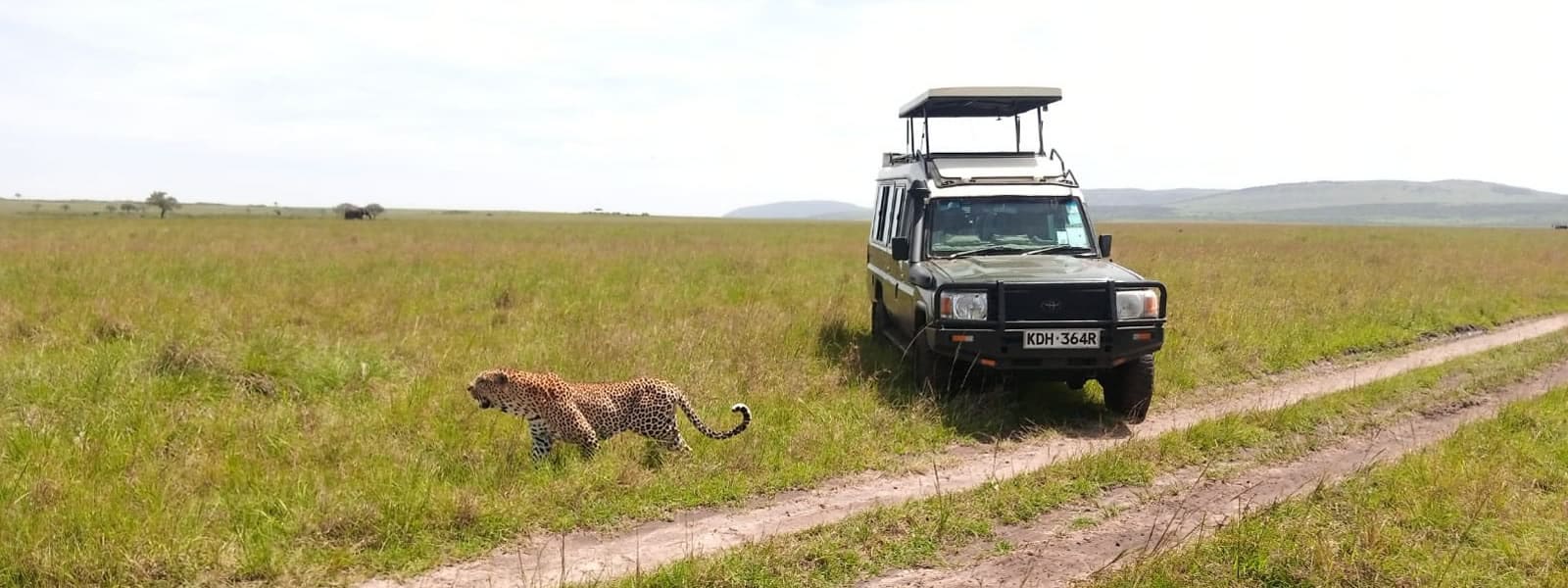

Because of the challenging terrains and road conditions in the safari destinations, choosing the right vehicle is very crucial.
A 4×4 vehicle is essential for navigating rough, uneven and slippery roads since it provides better traction and control. Also consider a car with high ground clearance to reduce the risk of damage and getting stuck. Above all, a comfortable vehicle with ample sitting space, legroom, and cargo space will make your long trip enjoyable. In this case, hardtop varieties offer versatility and are the best options.
The most commonly hired safari vehicles include the Land Cruiser models, Toyota Hilux, Rav 4, Nissan Patrols, Prado and Land rovers.
For game drives, vehicles with a pop-up roof or open roof section are preferred for unobstructed viewing and photography.
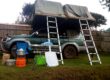
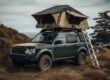
If you intend to camp in some of the national parks, a Land cruiser Hardtop with a rooftop tent is highly recommended.
Self drive or driver-guide
Travelers that have experience driving on rough roads and confident with navigation will find self driving easy. However, many tourists choose a professional driver-guide for local knowledge, wildlife spotting, translation, added security and easier logistics. We strongly recommended that first-timers or those unfamiliar with off-road driving consider hiring a driver.
Documentation and eligibility
All car rental agencies require travellers to present a passport or its copy for identification purposes. For payments, you’ll be required to present your credit card details for the security deposit.
However, credit cards are not the only acceptable modes of payment though they’re the most preferable. You can pay using Mobile money and cash may be accepted under some circumstances.
If you’re considering self drive, you must have a valid driver’s license from your home country. An International Driving Permit may be required if your home permit is not in English.
The minimum age limit for driving in Tanzania is 21-25 years with at least one year of driving experience but some companies may set higher limits for insured drivers.
Insurance
It is mandatory for all vehicles in Tanzania to have third party insurance and before making any reservations, ask for proof of insurance. It is important to note that even if the vehicle is insured, you may incur damage costs if you drive off marked roads, drive negligently, over speed, overload, or driver under the influence of alcohol.
The Collision Damage Waiver that reduces your liability for damage in case of a collision is often paid for separately so always check the excess amounts and what constitutes the damage exclusions. Endeavour to read carefully and understand all the insurance terms before signing the rental agreement.
Vehicle inspection and handover
Before you start your trip, inspect the vehicle thoroughly with the agent and document pre-existing damage. Take dated photographs of all angles and any dents/scratches. Check tyres (including spare), jack, tools, fan belts, oil and coolant levels, lights, horn, brakes, and AC. Ensure that the vehicle has a first aid kit, fire extinguisher, warning triangles. After inspection, a comprehensive handover checklist should be signed by both parties. Do not forget to note the mileage and fuel level on the handover report.
Cross-border travel

If you plan to cross into Kenya, Rwanda, Uganda or other neighbours, notify the rental company in advance. Cross-border travel often requires written permission, additional insurance (COMESA), visas or a Carnet de Passage, and sometimes payment of road levies at borders. Cross border regulations are subject to change so endeavour to verify current requirements with the rental company and embassies.
Budgeting and costs
Expect higher rates for 4×4 vehicles and added costs for drivers, fuel, park fees, camping gear, and insurance. Tanzania is a cash economy so exchange your money into local currency (Tanzanian shillings) for small transactions like food, souvenirs, tips, and activities. Note that some establishments accept credit cards for example hotels, high end restaurants or cafes and safari lodges.
National parks and reserves have entry fees and activity permits and these are paid to Tanzania National Parks (TANAPA), Ngorongoro Conservation Area Authority (NCAA), and the Tanzania Wildlife Authority (TAWA) for game reserves. Fees differ for foreign non-residents and residents, and citizens from the East African Community (EAC) member states.
Another cost to seriously plan for is fuel. Diesel is common for 4x4s and it is widely available in the country. Prices of fuel may also fluctuate due to local and global factors so inquire from your rental agent about the current rates for proper planning. Once you’re on your safari trip, make it a point to fill up in major towns since fuel stations are sparse in remote regions.
You may also carry an approved fuel canister if the rental company allows it. Otherwise, plan routes to include fuel stops with margin.
Road conditions
Like most counties in Africa, the road conditions vary depending on the location. Major towns, cities and highways have paved roads whereas rural roads are mostly rugged or earth. You’ll need a vehicle that is able to adjust to the rough road conditions that are found in the safari destinations. In this case, 4×4s are highly recommended. The long rains (March–May) and short rains (October–December) can make some tracks impassable. Main tourist roads between Arusha, Serengeti and Ngorongoro are generally maintained but expect potholes, graded surfaces and occasional road works.
Important to note is that Tanzania is a very large country and main tourist attractions may be hundred of kilometres from each other so brace yourself for very long drives.
Communication and navigation.
In Tanzania, Swahilli is widely spoken but some people speak English especially in urban areas. It is important to learn some Swahili phrases like “jambo” for halo, “Asante” for thank you and “Karibu” for welcome. Locals will be more receptive when you use these phrases but not to worry, Tanzanians are very welcoming and hospitable people.
To stay connected on the internet, consider purchasing a local sim card for data bundles since roaming may not work well for you in certain areas and the charges may be very high. Connecting to the internet maintains communication with friends and family back home and may also help with navigation systems like the GPS and Google maps.
Tips for driving in Tanzania
- Drive on the left-hand side of the road
- Observe speed limits and local road signals and always be on the lookout for pedestrians, livestock and motorcycles (bodaboda).
- Driving at night especially outside towns is risky due to animals on the road, unlit vehicles and poor signage so avoid it.
- Pack enough water, refreshments and food for the long journeys or in case of delays.
- Remain calm at police checkpoints and provide documents as requested. If you’re in fault, never be tempted to bribe a traffic police officer.
- Lock your car doors in towns, avoid isolated stops after dark and don’t leave valuables visible.
To sum it up, a safari trip to Tanzania can be an unforgettable experience as long as you have a reliable travel partner(vehicle) to take you to the furthest and least trodden tracks. Expect to create memories that will last you a lifetime in this mesmerizing country. During your trip, respect local customs, support local businesses and practice sustainable tourism.