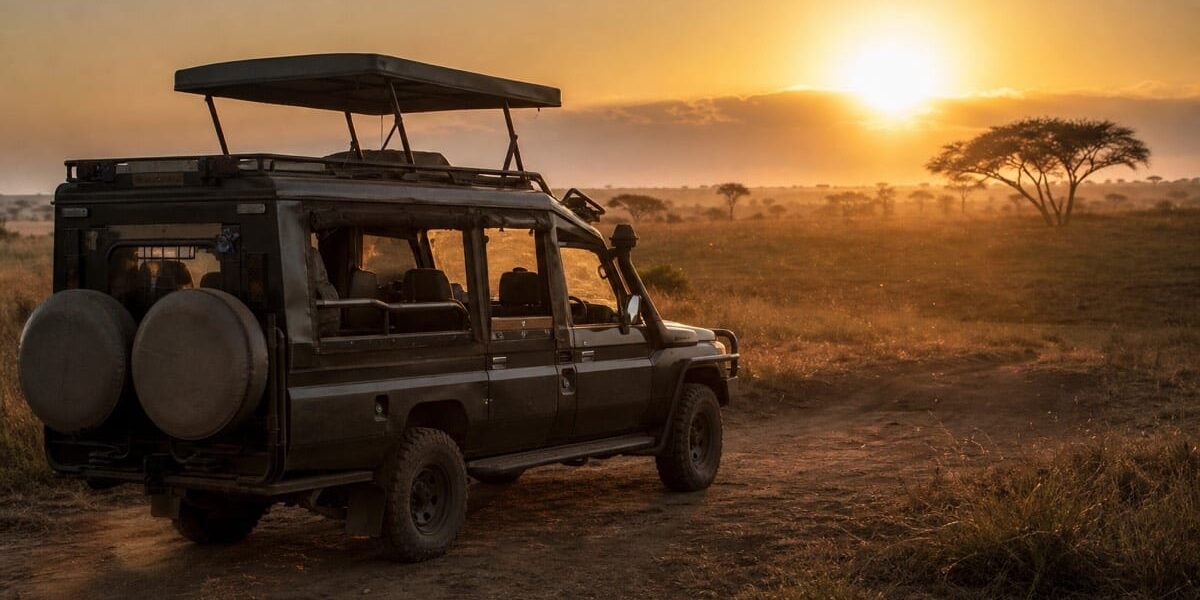
Planning a 4×4 Uganda self-drive adventure is an exciting way to explore the country’s national parks, mountain gorilla habitats, wildlife reserves, and scenic countryside. However, travellers must take extra precautions when choosing a 4X4 Uganda car rental company or booking safari activities online. Reports of alleged fraud involving car rental businesses have raised concerns about the safety of online bookings, particularly when travellers pay large sums before arriving in Uganda. For anyone planning a safari, verifying the company, understanding the rental agreement, and obtaining proof of payment for booked services can help prevent costly disappointments.
At GoFurther 4×4 Car Rentals, we believe travellers should understand their rights and know what to check before committing their money to any vehicle rental or safari booking. A professional-looking website, attractive prices, and convincing photographs do not automatically establish that a business is legitimate.
The growing need for 4×4 Uganda car rentals
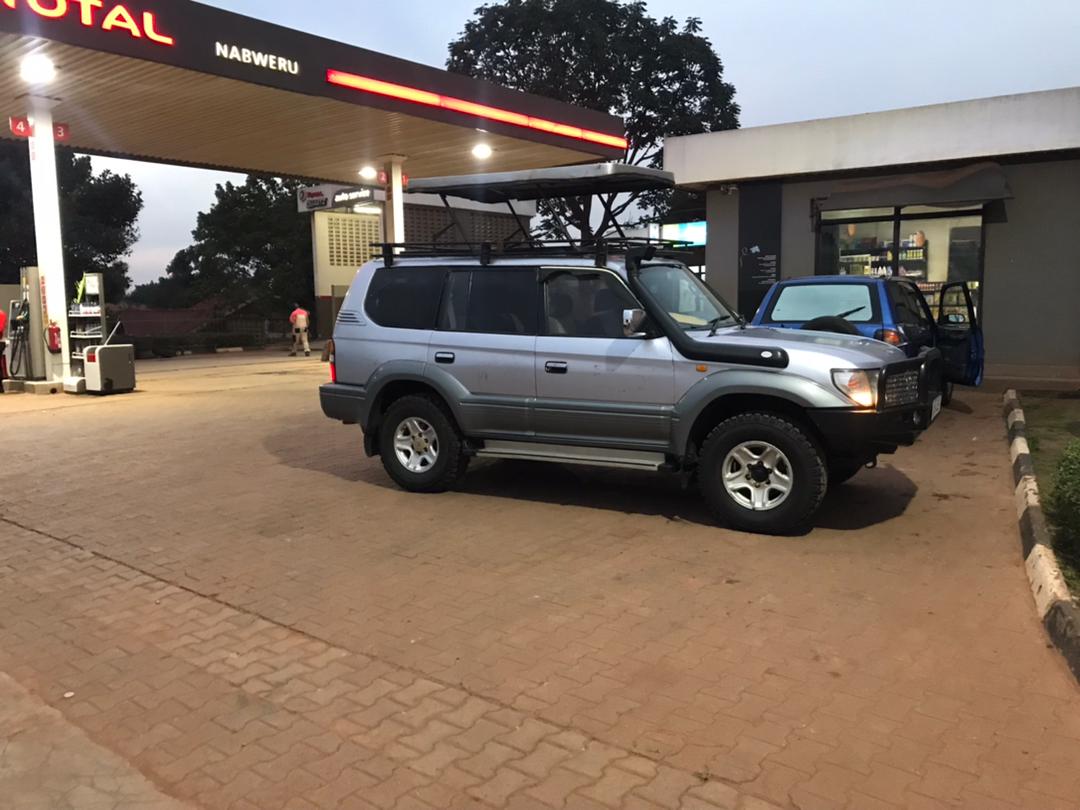
Uganda attracts international travellers seeking authentic wildlife encounters, independent road trips, and unforgettable safari experiences. As demand for car hire and gorilla trekking grows, travellers increasingly use websites, social media pages, and messaging platforms to arrange their trips before arriving.
Most travellers expect these arrangements to be straightforward. They find a company online, select a suitable vehicle, agree on a price, and transfer a deposit to secure their booking. Unfortunately, dishonest operators can exploit this process.
Some fraudulent businesses may advertise vehicles they do not own or control. Others may accept payments for vehicles, accommodation, or gorilla permits without delivering the promised services. In other cases, a company may appear legitimate initially but become unresponsive after receiving payment.
An ongoing police investigation involving allegations that a car rental business used its website to defraud travellers highlights the importance of conducting independent checks before making payments. As investigations continue, travellers should avoid relying on unverified claims about particular individuals or businesses. Instead, they should focus on practical measures that help establish whether a company is trustworthy.
The essential lesson is simple: never assume that an online car rental company is legitimate simply because it has a website, advertises on Google, or communicates professionally.
Before booking a 4×4 Uganda rental vehicle, establish who you are dealing with, confirm the terms of the transaction, and request documentary evidence for any services you intend to purchase.
1. Verify the company’s registration and UTB certification
One of the first steps when choosing a car rental company in Uganda is to verify its legal identity and tourism credentials. A business may have a website, social media accounts, and branded vehicles without providing sufficient evidence of its registration or relevant operating credentials.
Before making a payment, ask the company to provide its registered business name and supporting registration documents. Where applicable, request its Uganda Tourism Board (UTB) registration or certification details and verify them independently with the relevant authority.
UTB is Uganda’s national tourism regulator and plays an important role in tourism-sector licensing and quality assurance. However, travellers should understand that the exact requirements depend on the services offered and the type of business involved.
A company claiming to hold UTB certification should be able to provide details that allow you to verify the claim. Do not rely solely on a logo displayed on its website.
Check that the registered business name corresponds with the company you are communicating with. If the business uses a different trading name, ask for clarification. You should also verify the company’s physical office address and available contact information. A legitimate business should be able to explain where it operates and how customers can reach its representatives.
What to request before paying:
- The company’s registered legal name.
- Business registration details or supporting documentation.
- Applicable UTB registration, licensing, or certification details.
- A verifiable physical office address.
- Official telephone numbers and business email addresses.
- The name and position of the person handling your booking.
Remember that producing documents does not automatically guarantee honesty. The documents must also be consistent and independently verifiable.
2. Be careful with suspiciously cheap 4×4 Uganda rental deals

Price is an important consideration when planning a safari, especially for travellers managing a fixed budget. However, an unusually cheap offer can sometimes be a warning sign.
A legitimate 4×4 Uganda rental service must account for vehicle maintenance, insurance, servicing, roadside assistance, and other operating expenses. Safari-ready vehicles may also require additional preparation because they travel long distances and navigate challenging road conditions.
Fraudulent operators may advertise popular vehicles at prices far below the normal market range to attract customers quickly.
For example, a website might advertise a fully equipped 4×4 safari vehicle at an exceptionally low daily rate. After receiving an advance payment, the operator may stop responding or introduce unexpected charges.
Other businesses may advertise one vehicle but attempt to supply a different, unsuitable model after the customer arrives.
To protect yourself, compare quotations from several established car rental companies. Check what each quotation includes, such as mileage limits, insurance, camping equipment, additional drivers, cross-border travel, and airport delivery.
Ask for the vehicle’s make, model, transmission type, seating capacity, and camping equipment specifications where applicable.
You should also establish whether the advertised vehicle is actually available for your travel dates.
A lower price does not necessarily indicate fraud, just as a higher price does not guarantee legitimacy. The objective is to identify a reasonable quotation supported by clear terms and verifiable business information.
3. Never pay without a written car rental agreement
A written rental agreement is one of the most important documents to obtain before paying for a 4×4 Uganda rental vehicle. Verbal promises and informal messages may not adequately explain your obligations or the company’s responsibilities. If a dispute arises, missing documentation can make it more difficult to establish what both parties agreed to.
Before transferring money, request a written agreement or booking contract that identifies the parties and clearly explains the transaction. The agreement should specify the vehicle being rented, the rental period, the collection and return arrangements, the agreed price, and the payment schedule.
It should also explain the insurance arrangements, security deposit, mileage conditions, fuel policy, breakdown procedures, and responsibilities in the event of an accident. If you are planning a self-drive safari, establish what happens if the vehicle develops a mechanical problem in a remote destination. Ask whether roadside assistance or a replacement vehicle is available and who pays the associated costs.
Travellers planning to cross into Rwanda, Kenya, or Tanzania should obtain written confirmation that the rental company permits the intended cross-border journey. The agreement should also identify any additional fees that could arise during the rental period.
Before signing, ensure that the document reflects the promises made during your discussions with the company. Do not accept vague assurances that important conditions will be explained after payment.
A trustworthy booking process should allow you to understand your obligations before you commit your money.
4. Read the cancellation and refund policy before making a deposit
Travel plans can change for many reasons, including flight cancellations, visa delays, medical emergencies, and changes to safari arrangements. For this reason, every traveller should understand a company’s cancellation and refund policy before paying a deposit.
Some legitimate businesses require deposits to reserve vehicles for specific dates. However, the conditions under which that deposit can be refunded should be explained clearly.
Ask the company to provide its cancellation policy in writing. Check how much you will lose if you cancel, whether the company permits changes to travel dates, and how it handles cancellations caused by circumstances beyond your control.
You should also establish what happens if the company cannot provide the vehicle you booked. For example, if you reserve a Toyota Land Cruiser for a gorilla trekking trip and the company later discovers that the vehicle is unavailable, does it offer a comparable replacement, a refund, or another agreed solution?
The policy should address these possibilities.
Be cautious if a company refuses to provide written cancellation terms, repeatedly changes its refund conditions, or demands immediate payment while avoiding questions about refunds.
Avoid assuming that a refund will be available simply because a representative promises one over the phone.
Save the cancellation policy, quotation, payment receipt, and relevant correspondence. These records may be important if a disagreement occurs.
5. Watch out for unusual payment instructions

Payment arrangements can reveal important information about a car rental business. Before transferring money, establish the legal identity of the person or business receiving your payment.
Where possible, use a business bank account or another traceable payment method that clearly identifies the recipient. Confirm whether the account name matches the registered company or whether there is a documented reason for a different name.
A personal account does not automatically prove fraud, particularly where a small business has legitimate arrangements with its owners. Nevertheless, unexplained differences between the company name and the payment recipient deserve careful investigation. Be especially cautious if a representative suddenly asks you to transfer money to a new account without providing a credible explanation.
Other warning signs include pressure to pay through an irreversible method, requests for cryptocurrency without a clear contractual basis, or demands to send money to an unrelated third party.
Always obtain an official receipt after making a payment. The receipt should identify the business, the amount received, the date of payment, and the purpose of the transaction. Keep the payment reference and any supporting bank or mobile money confirmation.
If you are paying for a rental vehicle and gorilla permits together, request a breakdown showing the amount allocated to each service. This makes it easier to establish what you paid for and what the company is responsible for delivering.
Never transfer money simply because someone claims that a vehicle or gorilla permit will disappear from the booking system unless you pay immediately. Verify the claim first.
6. Protect yourself when booking gorilla trekking permits through a car rental company
Gorilla trekking is one of Uganda’s most sought-after safari experiences. Visitors travel to Bwindi Impenetrable National Park and Mgahinga Gorilla National Park for the opportunity to observe mountain gorillas in their natural habitat.
Because permits are limited and travel dates often need to be coordinated with accommodation and transport, many visitors arrange their gorilla trekking permits well in advance.
Uganda’s gorilla trekking permit arrangements require particular care.
Travellers commonly book through the Uganda Wildlife Authority (UWA) or an appropriately licensed tour operator authorised to arrange the relevant bookings. Many travellers also choose to purchase permits through safari companies that organise transport, accommodation, and other trip components.
Some car rental companies offer additional booking assistance, including coordinating gorilla permits for customers renting vehicles from them.
However, never assume that a 4×4 Uganda car rental company has secured your gorilla permit simply because you have paid for it.
If you book a gorilla trekking permit through a rental company or its associated tour operator, request documentary evidence of the booking and payment.
Request proof of payment for your gorilla permit

The evidence should allow you to establish that your booking relates to the correct traveller or travellers, trekking date, and destination. Check that the names and dates are accurate. If the company says that the permit has been paid for, ask for evidence supporting that statement rather than relying only on a message saying, “Your permit is confirmed.”
A payment receipt issued by the rental company proves that you paid the company. It does not, by itself, prove that the company paid UWA or secured your permit.
These are two different transactions, and travellers should understand the distinction. If you have doubts, contact the relevant authorised operator or UWA through independently verified official contact details to establish the status of the booking.
Do not assume that a screenshot or forwarded message is genuine without checking its details.
Confirm the exact permit arrangements
Before making payment, establish the permit category, trekking date, number of permits, and total cost. Ask whether the quoted amount includes only the permit or also covers the company’s booking and administration services.
Confirm the refund, cancellation, and rescheduling conditions before paying. Gorilla permit changes and refunds are subject to applicable UWA rules and the terms of the booking, so do not rely on an assumption that permits can always be refunded or transferred.
If you are booking a complete gorilla trekking package, obtain an itemised quotation that separates permit fees from vehicle hire, accommodation, guiding, and other services. This makes it easier to understand where your money is going.
Book permits early, but do not let urgency override verification
Gorilla permits are limited, and availability can be particularly important during busy travel periods. Nevertheless, urgency should not prevent you from checking the company and obtaining the necessary documentation.
A legitimate operator should be able to explain the booking process, identify what has been confirmed, and clarify which documents will be issued at each stage.
If a company demands payment but refuses to provide any meaningful evidence of the booking process, consider contacting an authorised alternative before proceeding.
7. Do not trust a website without verifying the business behind it
A professional website can help a business communicate with customers, display vehicles, and explain its services. However, website quality alone is not proof of legitimacy.
Fraudulent operators can create websites containing attractive photographs, detailed service descriptions, fabricated testimonials, and contact information designed to appear convincing.
Travellers should therefore look beyond the website’s appearance. Check whether the company has a consistent business identity across its website, email correspondence, payment documents, and other official channels.
Review its contact information and establish whether the physical address is credible. Look for clear rental terms, privacy information, cancellation policies, and information about the business responsible for the booking.
You can also examine how long the website has been operating, although a recently created website is not automatically suspicious and an older domain does not guarantee trustworthiness.
Check whether the company uses an email address associated with its business domain. A free email address is not conclusive evidence of fraud, but unexplained inconsistencies deserve attention.
If a company claims to have operated for many years, ask for verifiable evidence of its business history. Most importantly, independently confirm the information that matters to your transaction. A website is a starting point for research, not a substitute for due diligence.
8. Check independent reviews and investigate complaints

Customer reviews can help travellers evaluate a car rental company’s reliability, communication, and service quality. However, online reviews must be interpreted carefully because both positive and negative reviews can be misleading.
Before choosing a company, check independent review platforms and search for its business name alongside terms such as “complaint,” “refund,” “scam,” and “car rental.”
Pay attention to recurring patterns rather than relying on a single review. For example, several independent reports describing missing vehicles, unfulfilled bookings, unexplained charges, or persistent refund delays may justify additional investigation.
Look at the dates of reviews and whether customers describe specific, verifiable experiences. Be cautious if a company’s online reputation appears unusually polished but lacks meaningful detail about actual services.
You can also ask the company for references from previous customers, although you should remember that references supplied by the business may not represent every customer’s experience.
Where possible, look for detailed reviews that describe the vehicle received, the condition of the car, communication with staff, and how the company handled problems.
A company with a genuine service history should be able to answer reasonable questions about its operations. However, an absence of negative reviews does not guarantee safety, just as an isolated complaint does not automatically establish wrongdoing.
Use reviews alongside documentary checks, written agreements, and payment verification.
9. Verify that the advertised vehicle actually exists
A car rental company may advertise a fleet of Toyota Land Cruisers, Toyota RAV4s, Nissan Patrols, and other safari vehicles. Before booking, establish whether the specific vehicle you need is available for your travel dates.
Ask for recent photographs of the actual vehicle rather than relying exclusively on generic promotional images. Where appropriate, request a short video showing the vehicle’s exterior, interior, registration plate, and relevant equipment.
If you need a rooftop tent, pop-up roof, camping equipment, or extra luggage capacity, ask for photographs showing these features. You should also confirm the vehicle’s registration details and whether the rental company owns it or has a legitimate arrangement allowing it to rent the vehicle.
A business does not necessarily need to own every vehicle in its advertised fleet. However, it should be able to explain its authority to supply the vehicle you intend to rent.
If you are already in Uganda, consider inspecting the vehicle at the company’s office before completing the transaction. For travellers booking from abroad, a live video call can help establish that the company has access to the advertised vehicle. This is not definitive proof, but it provides another useful verification step.
Once the vehicle is delivered, inspect its condition and record existing damage before driving away. Take photographs of scratches, dents, tyres, windows, and the interior. Confirm that the vehicle has the necessary equipment and documents for your intended journey.
For a remote self-drive safari, also check the spare tyre, jack, wheel spanner, recovery equipment, and any camping gear included in your booking. A vehicle that looks suitable in an online advertisement may not be adequately equipped for your planned route.
10. Understand the insurance and roadside assistance arrangements

A reliable car rental booking should explain the insurance arrangements before you pay. Travellers sometimes focus on the daily rental rate without understanding their financial responsibilities if the vehicle is damaged, involved in an accident, or breaks down.
Ask what insurance cover is included and what exclusions apply. Establish whether the policy includes third-party liability and whether any additional cover is available for damage to the rental vehicle.
Ask about the excess or deductible you may be required to pay following an insured incident. Clarify whether tyres, windscreens, underbody damage, theft, and off-road use are covered or excluded. The exact terms depend on the policy, so request written details rather than relying on general assurances.
You should also confirm whether the vehicle is permitted to travel on your intended routes and whether the insurance remains valid for those journeys.
If you plan to cross an international border, establish whether the rental agreement and insurance arrangements permit the trip and whether additional documentation or cover is required.
Roadside assistance is another important consideration. Uganda’s national parks and remote safari destinations can involve long drives and stretches of road far from major towns. Ask what happens if the vehicle breaks down, who you should contact, and whether the company provides assistance or a replacement vehicle.
Keep emergency contact numbers accessible throughout your trip. Do not assume that every vehicle described as a safari 4×4 automatically comes with comprehensive insurance or unrestricted roadside assistance.
11. Be cautious of pressure tactics and unprofessional communication
The way a company communicates can offer useful clues about how it conducts business. A legitimate rental business should be willing to answer reasonable questions about its vehicles, prices, documentation, and booking conditions.
Be cautious if a representative repeatedly pressures you to make an immediate payment while refusing to provide requested documents.
Other warning signs include changing prices without explanation, inconsistent answers about the vehicle, or contradictory information about permit availability.
You should also be careful if a representative claims that the company cannot provide a rental agreement until after receiving your money. In some circumstances, a business may legitimately require a deposit before reserving a vehicle. However, the booking terms and the company’s identity should be clear before payment.
Watch out for messages that attempt to discourage independent verification. For example, a representative may insist that you must trust the company because it has many customers or because the person has worked in tourism for years.
Professional claims should not replace evidence. A reliable operator should understand that international travellers need time to verify unfamiliar businesses, especially when booking expensive safari arrangements from another country.
If you feel uncomfortable with the transaction, pause and investigate further. There is no reason to risk your entire safari budget simply because someone claims that a deal is available for a limited time.
12. Confirm all booking details before travelling to Uganda
After completing a booking, obtain written confirmation of every major service you have purchased. For a vehicle rental, the confirmation should identify the vehicle category, rental dates, collection location, return location, total price, and any outstanding balance.
If airport collection is included, establish who will meet you, how to identify the representative, and what happens if your flight is delayed. For gorilla trekking, confirm the permit status, trekking date, destination, and traveller details through the appropriate authorised booking process.
If you have booked accommodation, request the relevant reservation confirmations. Travellers arranging a complete safari should also clarify which services are included in the package and which must be paid for separately.
Keep digital copies of your rental agreement, receipts, insurance information, permit evidence, accommodation confirmations, and important correspondence.
Store copies somewhere accessible even if you lose access to your phone or email. A few days before departure, contact the company using a previously verified telephone number or email address to reconfirm the arrangements.
Do not rely exclusively on a new number supplied in an unexpected message requesting additional payment. If the company suddenly changes its bank details, demands an unexplained fee, or provides conflicting booking information, investigate before sending more money.
13. Know what to do if you suspect a car rental scam
Discovering that a company may have misled you can be stressful, particularly when your safari dates are approaching. If you suspect fraud, act quickly and preserve the available evidence.
First, save your correspondence with the company, including emails, WhatsApp messages, quotations, contracts, receipts, payment confirmations, and screenshots of relevant website pages.
Record the business name, telephone numbers, email addresses, account details, and any other information connected to the transaction. Avoid deleting messages, even if the company has stopped responding.
Second, contact your bank, card issuer, or payment provider as soon as possible. Explain the circumstances and ask whether the payment can be stopped, disputed, or traced. Recovery is not guaranteed, but acting promptly may preserve available options.
Third, report the matter to the relevant Ugandan police authorities if you have reason to believe that a crime has occurred. If the issue concerns a tourism business’s credentials or conduct, you may also seek guidance from the relevant tourism authorities. For a suspected fraudulent gorilla permit booking, contact UWA or the appropriate authorised operator through independently verified official channels.
Avoid making additional payments to anyone who promises to recover your money in exchange for an upfront fee without independently verifying their legitimacy. Recovery scams can target people who have already lost money.
If you are still abroad, contact the relevant authorities through their official channels and retain your case or reference number. If your trip is imminent, consider making alternative arrangements through a verifiable provider rather than sending further money to a business you no longer trust.
Finally, when sharing your experience publicly, distinguish between documented facts and suspicions. This helps other travellers assess the information responsibly while avoiding the spread of unverified allegations.
Why GoFurther 4×4 Uganda car rentals encourages informed decisions
Choosing a car rental company is an important part of planning a successful Uganda safari. Your vehicle affects your comfort, flexibility, safety, and ability to reach the destinations on your itinerary.
At GoFurther 4×4 Uganda Car Rentals, we believe travellers should have the information they need to make confident decisions before committing to a rental or safari service. Understanding the booking process helps you establish realistic expectations.
We encourage travellers to ask questions, review agreements, understand payment terms, and request documentation for services arranged on their behalf.
When a car rental company also assists with gorilla trekking permits or other safari bookings, those services should be explained clearly. Travellers should know what the company is arranging, which authorised provider is responsible for each service, and what evidence they will receive after payment.
We also encourage travellers to compare vehicles based on their actual requirements rather than choosing solely on price. A vehicle suitable for city travel may not offer the ground clearance, equipment, or comfort needed for a remote safari.
Above all, travellers should feel comfortable asking for clarification before making a booking. A successful safari begins with informed decisions, clear communication, and a booking process that leaves no important questions unanswered.
Travel wisely, verify before you pay, and make your 4×4 Uganda safari memorable for the right reasons.