
Required & recommended travel vaccines
A safari in Uganda offers one of the most thrilling travel experiences in the world and vaccines ensure that you have a safe adventure. Uganda is one of the leading adventure destinations in the world, and the memories created here last a lifetime. One of the leading safari experiences is gorilla trekking in Bwindi Impenetrable national Park. Gorilla trekking gives you a chance to track and observe the endangered mountain gorillas in their natural habitat.
That’s not all! You can also cruise along the Nile, explore vast savannahs filled with an abundance of wildlife, including the Big FIVE and experience the unique cultures. Every moment feels unforgettable. However, before you pack your bags, you need to prepare for something just as important as your itinerary: your health.
Why are vaccines so important?
Uganda’s tropical climate creates the perfect environment for many infectious diseases. Mosquitoes thrive in warm, humid conditions. Bacteria and viruses spread easily through food, water, and close contact. These risks affect all travelers, regardless of whether you stay in luxury lodges or budget camps. A well-planned safari always includes a strong health strategy.
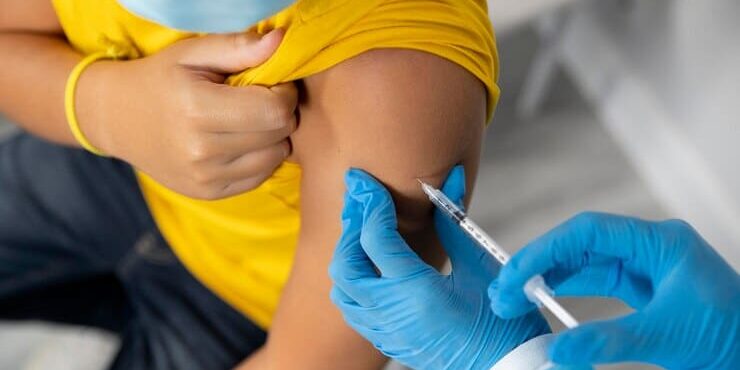
Vaccines play a critical role in protecting you during your trip. They prepare your immune system to recognize and fight dangerous infections before they cause serious illness. Without proper vaccination, you increase your risk of diseases like Yellow Fever, Typhoid, and Hepatitis A. Some of these illnesses can disrupt your trip, while others can become life-threatening if untreated.
In fact, Uganda requires proof of Yellow Fever vaccination for entry. This rule aligns with global health regulations and helps prevent the spread of disease across borders. Travelers who arrive without this certificate may face delays, vaccination at the airport, or even denied entry. Preparing in advance saves you time, stress, and unnecessary complications.
Enjoy your safari with confidence
Beyond entry requirements, vaccines help you enjoy your safari with confidence. Imagine tracking gorillas in remote forests or exploring national parks far from major hospitals. Access to medical care may be limited in these areas, and prevention becomes your best protection. A simple vaccine taken weeks before your trip can prevent serious health issues in remote locations.
It is also important to understand that vaccines are not a one-size-fits-all solution. Your vaccination needs depend on your travel plans, duration of stay, and activities. For example, a short visit to urban areas carries lower risk than a multi-day safari in remote parks. Travelers who plan hiking, camping, or close wildlife encounters often require additional protection.
Good preparation goes beyond vaccines. You also need to practice safe food and water habits, protect yourself from mosquito bites, and maintain proper hygiene. These measures work together to reduce your overall risk. Think of vaccines as your first line of defense, supported by smart travel habits.
What vaccines do you need for your safari in Uganda?
Yellow Fever Vaccine (Entry Requirement)

Yellow Fever vaccination is mandatory for all travelers entering Uganda and immigration officers will ask for proof. The World Health Organization (WHO) identifies Yellow Fever as the only vaccine regulated under international law. Just a single dose provides lifetime protection. Under the International Health Regulations (IHR), countries can require proof of Yellow Fever vaccination to prevent cross-border outbreaks and protect populations from imported infections. Travelers must carry the International Certificate of Vaccination (“Yellow Card”).
WHO states this requirement helps stop the global spread of mosquito-borne diseases.
Yellow Fever spreads through bites from infected mosquitoes. Symptoms include sudden fever, muscle pain, headaches and jaundice. Severe cases of yellow fever can cause organ failure and sudden death.
Prevention Tips
- Get vaccinated at least 10 days before travel
- Carry your yellow card certificate
- Use mosquito repellent daily and sleep under a treated mosquito net
Hepatitis A vaccine
Hepatitis A remains common in developing regions, Uganda inclusive. Even high-end lodges cannot eliminate risk completely. The Hepatitis A virus spreads through contaminated food or water. Common symptoms include fatigue, nausea, stomach pain, and yellowing of eyes. This vaccine offers long-term protection and peace of mind.
Prevention tips
- Drink bottled water only
- Avoid raw vegetables
- Wash hands frequently or use had sanitizer. Also avoid shaking hands with just anyone
Hepatitis B vaccine
Hepatitis B affects the liver and can become chronic. Travelers engaging in outdoor activities face higher risk of injuries and exposure. It spreads through blood contact, medical procedures and bodily fluids. Symptoms include fever, joint pain, dark urine and liver complications.
Prevention tips
- Avoid unsterilized equipment
- Do not share personal items
- Seek medical care in trusted facilities
Malaria prevention
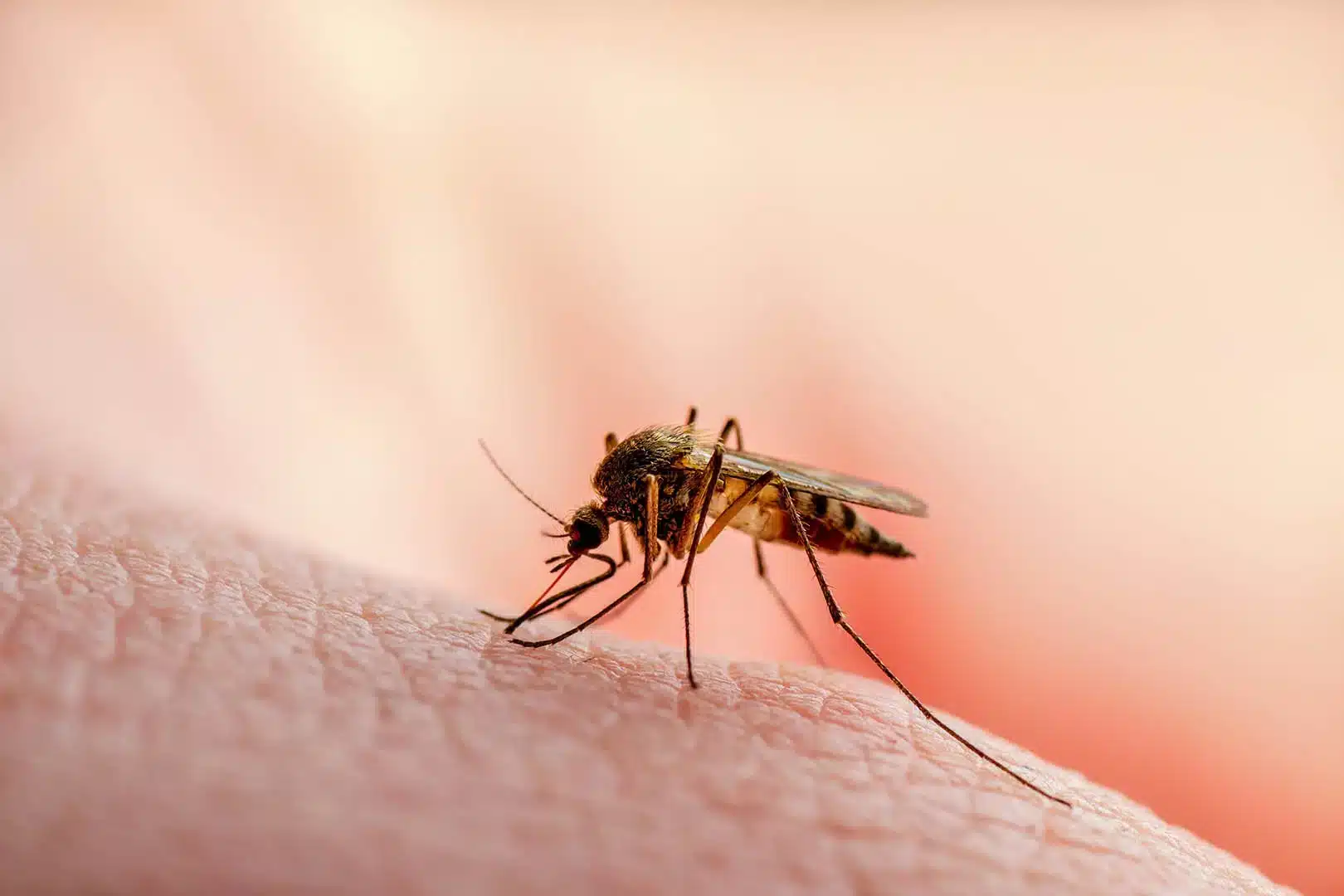
This is very critical for safari travellers. Malaria remains one of the most important health risks for travelers visiting Uganda and it occurs throughout the country, including major safari destinations . It is also one of the leading killer diseases in Uganda, according to the World Health Organisation. There is no widely used vaccine for travelers, so prevention is key.
Unlike some diseases, malaria can develop quickly and become severe if untreated. That is why prevention, also called malaria prophylaxis is essential for every traveler. Malaria prophylaxis refers to medications taken before, during, and after travel to prevent malaria infection.
These medicines do not stop mosquito bites. Instead, they prevent the malaria parasite from multiplying in your body after a bite.
Malaria spreads through bites from infected female Anopheles mosquitoes. These mosquitoes bite mostly at night, thrive in warm, tropical climates and breed in stagnant water. Once bitten, parasites enter your bloodstream and infect your liver and red blood cells.
The common symptoms of malaria usually appear 7-30 days after infection. They include fever and chills, sweating, headache, muscle aches, nausea and vomiting.
Severe malaria can cause confusion, breathing difficulty, or organ failure. Seek medical care immediately if symptoms appear. It is important to chose the right malaria prophylaxis medication because no single drug works for everyone. A travel doctor will consider your medical history, length of stay, activities (e.g., safari, camping) and drug side effects. Always consult a healthcare provider before choosing medication.
Additional malaria prevention measures
Medication alone is not enough. You must also avoid mosquito bites.
- Use insect repellent: Choose repellents containing DEET, picaridin, or IR3535.
- Sleep under mosquito nets: Your accommodation must by law provide you with a treated mosquito net.
- Wear protective clothing: Wear long sleeves and trousers in the evening to avoid mosquito bites
- Stay in screened or air-conditioned rooms: This reduces mosquito exposure at night.
Rabies vaccine

Safari trips increase contact with animals and rabies can become deadly once symptoms appear.
The virus spreads through animal bites or scratches.
Symptoms include fever, tingling near bite, confusion and paralysis
Prevention tips
- Avoid touching animals
- Stay away from strays
- Seek immediate medical care after bites
Pre-exposure vaccination is useful for remote travel.
Extra health tips for Uganda safari
- Practice food safety by eating hot meals from clean eateries or restaurants. Avoid raw vegetables or undercooked food.
- Protect against insects. Apply repellent often and wear protective clothing.
- Stay hydrated by drinking safe water regularly and in this case, we highly recommend bottled water.
- Prepare before travel by visiting a travel clinic at least one month before departure.
- Avoid unnecessary body contacts with people
- Keep a required distance from animals especially during activities like gorilla trekking or safari walks.
Final thoughts
A safari in Uganda offers unmatched adventure and preparation ensures you enjoy every moment safely. Your health plan is as important as your travel itinerary and remember, prevention is better than cure!




2 Comments