
The complete guide for a safe and prepared adventure
Going on safari offers unforgettable experiences, but preparation remains essential. The right safari emergency tools can protect you from unexpected situations and keep your trip safe.
Many travelers focus on comfort and forget emergency readiness, forgetting that safari conditions can change quickly. Remote locations, wildlife encounters, and unpredictable weather require proper planning.
A safari often takes you far from towns and hospitals where help may take time to arrive. Safari emergency tools help you respond quickly to injuries, breakdowns, or environmental risks. They give you control in situations where immediate assistance is unavailable. Smart travelers always prepare before heading into the wild.
This guide covers the most important safari emergency tools and explains why each one matters.
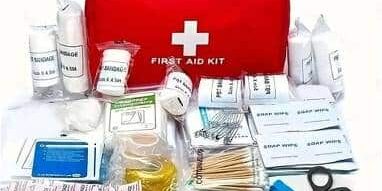
First aid kit

This is a life-saving essential. A well-stocked first aid kit is one of the most important safari emergency tools.
Here is what to include in your kit
- Bandages and sterile gauze
- Antiseptic wipes and creams
- Pain relievers
- Tweezers and scissors
- Food poisoning medication
- Allergy medication
- Personal prescriptions
A first aid kit helps you treat minor injuries or other health issues like allergies or food poisoning immediately. It also stabilizes serious conditions before help arrives.
Always check your kit before departure. Some car rental agencies provide first aid kits but they may not have everything you need, so endeavor to make a checklist. It is also important to replace expired items and customize it for your needs.
Flashlight or headlamp
Lighting remains one of the most overlooked safari emergency tools. Darkness falls quickly in the wild so these tools provide reliable lighting. For activities such as camping, a strong light source is essential. A flashlight or headlamp helps you navigate campsites safely at night and also keeps you aware of your surroundings.
Headlamps work best because they free your hands. Endeavor to carry extra batteries to avoid being stranded in darkness.
Power bank

Your phone can become a lifeline during emergencies so it is important to keep it powered. It provides communication, maps, emergency contacts, and may also be a form of entertainment.
A power bank ensures your device stays charged so choose one with high capacity for longer trips. Do not rely on vehicle charging alone. Always carry a backup power source to stay connected at all times.
GPS device or map
Getting lost can quickly turn dangerous in remote areas and ruin the entire experience. It can also cause significant delays and may end up affective your entire itinerary. A GPS device/google maps or physical map helps you stay on track. In remote areas where mobile network may be unreliable, technology can fail, so always carry a backup physical map.
Navigation tools remain critical safari emergency tools, especially in large parks.
Multi-tool or knife
A multi-tool is very versatile and handles many unexpected situations. You can cut rope, prepare food, or fix equipment. It also helps in emergency repairs.
Choose a durable and compact design and keep it easily accessible at all times.
Fire starter/matchboxes
Fire provides warmth, light, protection, helps you cook food and signal for help. In cold or wet conditions, fire can become lifesaving. Carry waterproof matches or a reliable lighter to start fires and always follow safety guidelines when using fire in the wild.
Water purification tools
Clean water is critical for survival and getting water sources with clean drinking water during safari is close to impossible. You may not always rely on bottled water for things like cooking food during camping, washing dishes or even bathing. Carry water purification tablets or a portable filter. These tools remove harmful bacteria from natural water sources.
Dehydration can occur quickly in hot environments and for this, endeavor to carry enough bottled drinking water. Always prepare for limited water access.
Insect repellent
Uganda and East Africa at large lies in the tropical region so expect lots of insects like mosquitoes, houseflies, tsetse flies, among others. Insects can carry diseases, cause discomfort, some insects are venomous and may pose serious health risks. A strong insect repellent protects you from mosquito bites and other insects.
Important to note is that even though you have an insect repellent, it is crucial to sleep under a treated mosquito net to avoid malaria. A mosquito net also prevents other insects from biting you.
Choose products with proven effectiveness, and apply them regularly, especially in the evening.
Sunscreen
The African sun can be intense, especially during the dry seasons of June to September and December to Feb. Do not forget to carry your sunscreen and always add it to your skin care routine. Use high-SPF sunscreen to protect your skin, and reapply throughout the day.
Sunburn can ruin your safari experience and may cause long-term damage.
Emergency blankets
An emergency blanket helps retain body heat in cold conditions. It is lightweight and easy to pack which makes it a practical addition to your gear. In emergencies, it can prevent hypothermia.
Vehicle emergency kit
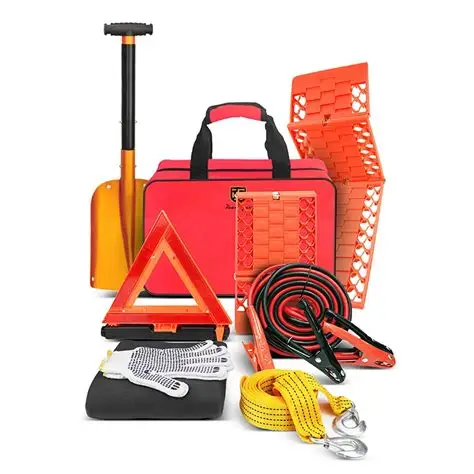
Many safaris involve long drives in remote areas along uneven terrains. Having a vehicle emergency kit helps you in case of vehicle breakdown.
A vehicle emergency kit should include
- Spare tire and tools
- Jumper cables
- Tow rope
- Basic repair tools
Usually, these are provided for by your car rental provider so endeavor to check you’re your vehicle had them. Breakdowns can happen anywhere. Proper preparation keeps you safe and mobile.
Safety tips when using safari emergency tools
Safari emergency tools play a crucial role in ensuring a safe adventure. They prepare you for unexpected challenges in remote environments. It is important to keep organized as this improves access during emergencies. Keep tools in a dedicated bag, store frequently used items at the top and use waterproof containers for protection.
Practice using your tools before your trip because familiarity saves time during emergencies. Always inform someone about your travel plans and check all equipment before departure. More so, replace damaged or expired items and follow park rules and guidelines
These tools create a strong safety system. The right safari emergency tools can make the difference between danger and safety so plan ahead, pack wisely, and enjoy your safari with confidence.







1 Comment