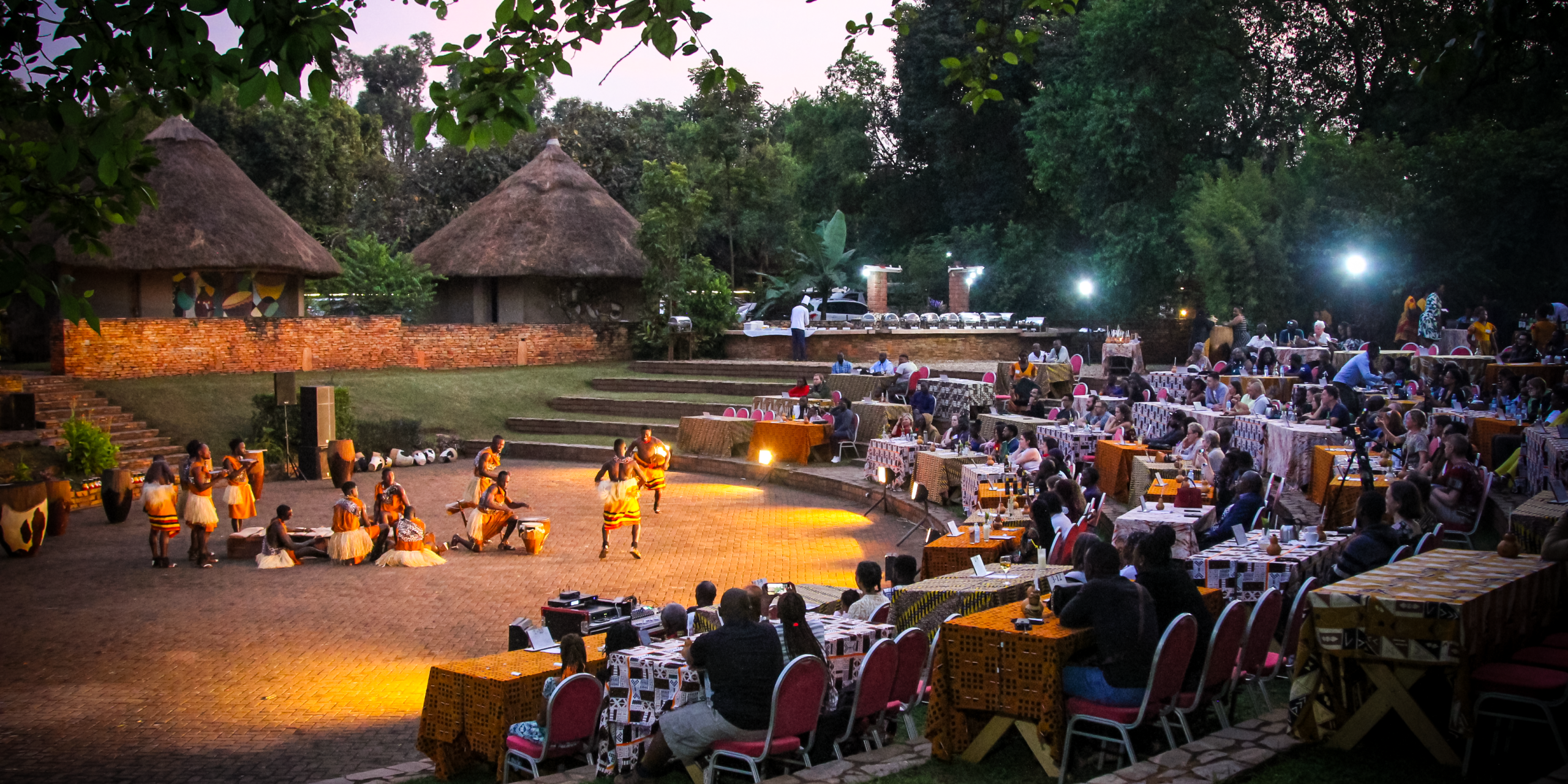
A 4×4 Uganda safari offers much more than wildlife viewing and scenic landscapes. While many travelers visit the country to see mountain gorillas, chimpanzees, lions, elephants, and other iconic wildlife, some of the most memorable experiences come from interacting with local communities. A 4×4 Uganda safari creates opportunities to connect with the people who call these regions home.
Uganda is one of Africa’s most culturally diverse countries, with more than 50 ethnic groups, each with unique traditions, languages, music, dances, and ways of life. Community tourism has become an important part of Uganda’s tourism industry because it allows travelers to experience authentic local culture while directly supporting livelihoods and conservation efforts.
Many communities living near national parks benefit from tourism through cultural performances, handicraft sales, guided village walks, agricultural projects, and conservation initiatives. By participating in these activities, visitors gain a deeper understanding of Uganda while helping local families generate income beyond traditional farming and livestock keeping.
A 4×4 Uganda self-drive safari makes it easier to visit these communities because many cultural attractions lie beyond the main tourist routes. With the flexibility of your own vehicle, you can stop in villages, visit local enterprises, and engage with community projects at your own pace.
Why community tourism matters on a 4×4 Uganda safari
Community tourism creates a bridge between travelers and local residents. Many national parks in Uganda border communities that once depended heavily on natural resources from protected areas. Today, tourism provides alternative sources of income while encouraging conservation.
When visitors participate in community activities, they help support schools, healthcare initiatives, women’s groups, youth projects, and conservation programs. The revenue generated often remains within local communities and improves living standards.
A 4×4 Uganda adventure allows travelers to go beyond wildlife encounters and experience the human side of Uganda’s tourism industry.
Visit the Batwa community near Bwindi Impenetrable National Park
One of the most meaningful cultural experiences in Uganda is visiting the Batwa community. The Batwa, often referred to as the “Keepers of the Forest,” were among the original inhabitants of the forests surrounding Bwindi and Mgahinga. For generations, they lived as hunter-gatherers in these forests before conservation efforts transformed the areas into national parks.
Today, Batwa cultural experiences give visitors an opportunity to learn about traditional forest survival techniques, medicinal plants, hunting methods, music, and storytelling. During a Batwa cultural trail, former forest residents demonstrate how they once gathered food, made fire, constructed shelters, and lived in harmony with nature.
Travelers on a 4×4 Uganda safari through southwestern Uganda often rank the Batwa experience among the highlights of their trip because it offers insights into a unique culture rarely found elsewhere in Africa.
Participate in traditional dance and music performances
Music and dance play a central role in Ugandan culture. Different ethnic groups have distinct musical styles, instruments, costumes, and dances. Many communities near national parks organize cultural performances for visitors.
In western Uganda, travelers may witness energetic Bakiga dances characterized by fast footwork and powerful drumming. In northern Uganda, traditional Acholi dances tell stories of community life and historical events.
Near Queen Elizabeth National Park, cultural groups often perform songs that celebrate local heritage, farming traditions, and wildlife conservation. Participating in these performances allows visitors to experience Uganda’s vibrant cultural identity firsthand.
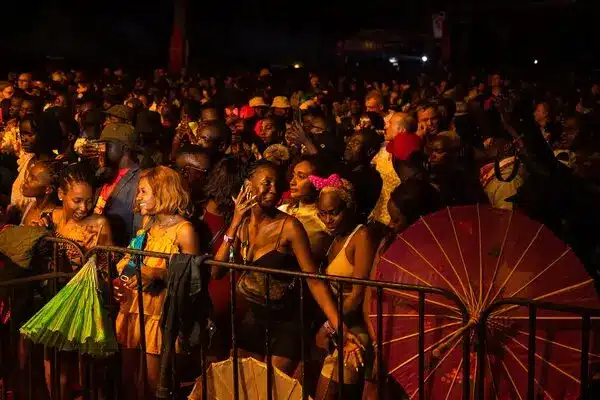
A 4×4 Uganda road trip often includes opportunities to attend community festivals for example “Empango,” a coronation ceremony for the Batoro of western Ugandan as well as other cultural events that larger tour groups may miss. Travellers may also participate the kabaka birthday run to celebrate the birthday for the king of Buganda. Other cultural festivals include the
- Uganda martyrs day in Namugongoto celebrate the martyrs who died for their faith
- Gorilla naming ceremony in Bwindi to name baby gorillas
- Nyege Nyege festival; Africa’s largest music festival often compared with Coachella in USA
- Imbalu; a public circumcision festival for the Bagisu tribe.
- Uganda film festival at National theatre to reward talent in the film industry
- Kampala Capital City Carnival; where tribes from almost every region showcase their traditional dances, food, and clothing in Kampala
Join a community village walk
Village walks provide some of the most authentic cultural experiences available during a safari. Unlike staged performances, guided village tours allow travelers to observe everyday life in rural Uganda. Visitors may walk through homesteads, visit local markets, observe farming activities, and interact with residents.
For example, a village walk near Kibale Forest National Park may include visits to banana plantations, coffee farms, schools, churches, and traditional healers. Travelers often discover that rural Ugandan communities maintain strong social bonds and vibrant traditions.
A 4×4 Uganda safari provides easy access to these villages while allowing travelers to spend as much time as they wish exploring local culture.
Experience coffee farming in Western Uganda
Uganda ranks among Africa’s leading coffee producers. Several community tourism projects allow visitors to experience the coffee production process from start to finish. In regions surrounding Bwindi, Lake Bunyonyi, and Mount Elgon, local farmers guide visitors through coffee plantations and demonstrate traditional cultivation methods.
Travelers can participate in harvesting coffee cherries, drying beans, roasting coffee, and grinding it by hand. The experience often ends with tasting freshly prepared Ugandan coffee. Coffee tours help visitors appreciate the effort required to produce one of Uganda’s most valuable exports while directly supporting local farmers.
Many travelers on a 4×4 Uganda journey enjoy combining coffee experiences with gorilla trekking and scenic mountain drives.
Support women’s craft cooperatives
Throughout Uganda, women’s groups produce handmade crafts that showcase local creativity and cultural heritage. Visitors can purchase baskets, jewelry, textiles, wood carvings, pottery, and woven products directly from community cooperatives. Near Bwindi, Murchison Falls and Queen Elizabeth National Park, several women’s associations use tourism revenue to support education, healthcare, and family welfare projects.
Travelers often enjoy meeting the artisans, learning about traditional crafting techniques, and hearing stories behind the products. Buying directly from these groups ensures that a larger share of tourism revenue reaches local families.
A 4×4 Uganda safari offers the flexibility to stop at community craft centers located far from major tourism hubs.
Learn traditional cooking techniques

Food provides a fascinating window into Ugandan culture. Several community tourism programs invite visitors to participate in traditional cooking sessions. Guests learn how to prepare local dishes such as matoke, groundnut sauce, millet bread, cassava, and traditional stews. Cooking experiences often begin with visits to local gardens where ingredients are harvested.
Participants gain practical knowledge about local agriculture, nutrition, and culinary traditions. Sharing a meal with local families often creates meaningful cultural connections that extend beyond typical tourist experiences.
Travelers exploring Uganda in a 4×4 Uganda vehicle can include these cooking activities as part of a broader cultural itinerary.
Visit community schools and educational projects
Many community tourism initiatives support educational programs. Visitors can tour local schools, learn about Uganda’s education system, and interact with students and teachers. These visits often provide insights into both the achievements and challenges facing rural communities.
Travelers should always approach school visits respectfully and coordinate through authorized community organizations. Many projects welcome visitors because tourism helps fund school infrastructure, learning materials, and scholarship programs.
Participate in conservation activities
Conservation and community development often work hand in hand in Uganda. Several communities living near national parks participate in conservation projects that protect wildlife while generating income through tourism.
Visitors may learn about anti-poaching efforts, tree-planting initiatives, sustainable agriculture, and human-wildlife conflict management. Near Kibale Forest and Bwindi, some organizations offer opportunities to join conservation walks and environmental education programs.
These activities help travelers understand how local communities contribute to protecting Uganda’s biodiversity.
Explore traditional cattle-Keeping communities
In southwestern Uganda, particularly in Ankole, cattle play an important role in local culture. Travelers can visit traditional cattle farms and learn about the significance of the famous Ankole long-horned cattle. Community guides explain how cattle influence social status, ceremonies, marriage customs, and economic activities.
Visitors may participate in milking demonstrations and learn about traditional livestock management practices. These experiences provide valuable insights into one of Uganda’s most iconic cultural traditions.
Discover the Karamojong way of life

Northern Uganda’s Karamoja region offers one of the country’s most distinctive cultural experiences. The Karamojong people maintain traditions rooted in normadic pastoralism and livestock herding.
Community visits allow travelers to learn about traditional housing, cultural ceremonies, storytelling, and livestock management. Many visitors compare the experience to stepping into a different world compared to Uganda’s more developed regions.
Because Karamoja remains relatively remote, a 4×4 Uganda vehicle from GoFurther 4×4 Uganda Car Rental is often essential for reaching many cultural attractions in the region.
Participate in local market visits
Local markets serve as the economic and social heart of many Ugandan communities. Market visits expose travelers to local products, traditional foods, clothing, livestock trading, and everyday interactions. Guided tours help visitors understand market customs and the role these trading centers play in community life.
Travelers often enjoy sampling local snacks, observing bargaining practices, and meeting vendors. A market visit offers a genuine glimpse into daily life beyond the safari experience.
Community tourism and sustainable travel
Community tourism contributes significantly to sustainable travel in Uganda. When visitors participate in cultural activities, they help diversify income sources for communities that might otherwise rely heavily on natural resources. Tourism revenue supports conservation efforts, reduces pressure on protected areas, and creates employment opportunities.
By choosing community-based experiences during a 4×4 Uganda safari, travelers contribute directly to local development while enriching their own understanding of the country. Responsible tourism benefits both visitors and host communities.
Final thoughts
Uganda’s wildlife attractions may draw travelers to the country, but its people and cultures often leave the deepest impressions. Community activities provide opportunities to connect with local traditions, learn about different ways of life, and support sustainable development initiatives throughout the country.
Cultural experiences add depth and meaning to any safari itinerary. These activities allow travelers to see Uganda through the eyes of its people while creating lasting memories that go far beyond wildlife sightings.
A 4×4 Uganda safari offers the flexibility needed to explore these authentic cultural experiences at your own pace. Engaging with local communities can transform your safari from a simple holiday into a truly immersive journey. By supporting community tourism, travelers not only enrich their own experiences but also contribute to the long-term wellbeing of the communities that help make Uganda one of Africa’s most remarkable destinations.