
Uganda continues to attract thousands of international visitors every year who may or may not require the Uganda Visa. Travelers come for mountain gorilla trekking, wildlife safaris, bird watching, cultural experiences, adventure tourism, and business opportunities. Before packing your bags, however, you should understand the UGANDA VISA requirements. A valid visa remains one of the most important travel documents for most foreign visitors. According to Uganda’s Directorate of Citizenship and Immigration Control (DCIC), most international travelers must obtain an approved visa before entering the country through designated ports of entry.
Uganda offers remarkable diversity within a relatively compact destination. Visitors can track mountain gorillas, cruise along the Nile, climb the Rwenzori Mountains, and explore expansive savannah parks during one holiday.
According to the Uganda Tourism Statistical Abstract 2024 published by the Ministry of Tourism, Wildlife and Antiquities, Uganda welcomed more than 1.37 million international visitors in 2024, demonstrating continued recovery and growth in the tourism sector. The report also highlights increasing investment in tourism infrastructure, destination marketing, and digital services, all of which support Uganda’s ambition to become a leading tourism destination in Africa.
Furthermore, the Uganda Wildlife Authority manages 10 national parks and several wildlife reserves, reinforcing the country’s reputation as one of Africa’s premier safari destinations.
Why You Need a Uganda Visa
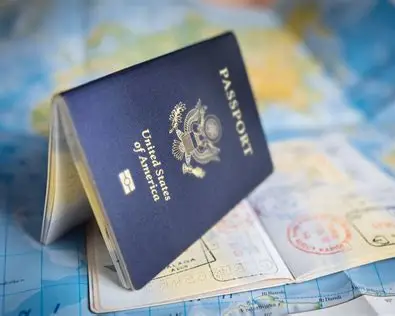
Uganda requires most foreign nationals to obtain a visa before entering the country. The government introduced an electronic visa system to simplify the application process. Today, most visitors complete their applications online before departure through the official DCIC e-Visa portal. According to the Directorate of Citizenship and Immigration Control, the online system allows immigration officers to review applications before arrival, helping reduce delays at border points and improve travel efficiency.
Who Needs a Uganda Visa?
Most tourists require a Uganda Visa before arrival. Citizens from Europe, North America, Asia, Australia, and many African countries usually apply online through Uganda’s official immigration portal. However, Uganda grants visa-free entry to citizens of several African countries under reciprocal agreements and regional protocols. The current list of exempt countries appears on the official Directorate of Citizenship and Immigration Control website, and travelers should always verify their eligibility before booking international flights because immigration policies can change.
Uganda Tourist Visa Fees

Copy of the East African Visa
The standard Uganda visa for tourists currently costs USD 50 for a single-entry visa. Travelers planning to visit Uganda, Kenya, and Rwanda may instead apply for the East Africa Tourist Visa, which costs USD 100 and remains valid for 90 days. These fees are published by Uganda’s Directorate of Citizenship and Immigration Control and remain subject to government review
| Visa Category | Purpose | Validity | Official Fee (USD) |
| Tourist Visa (Single Entry) | Tourism, holidays, visiting family and friends | Up to 90 days | $50 |
| Transit Visa | Passing through Uganda to another destination | Up to 7 days | $50 |
| East Africa Tourist Visa | Tourism in Uganda, Kenya, and Rwanda | 90 days (Multiple Entry within participating countries) | $100 |
| Multiple Entry Visa (6 Months) | Frequent travel to Uganda | 6 months | $100 |
| Multiple Entry Visa (12 Months) | Frequent travel to Uganda | 12 months | $200 |
| Multiple Entry Visa (24 Months) | Frequent travel to Uganda | 24 months | $150 |
| Multiple Entry Visa (36 Months) | Frequent travel to Uganda | 36 months | $200 |
Note that the availability of multiple-entry visas depends on an applicant’s nationality, travel history, and purpose of travel. Immigration officers may request additional supporting documents before approval. Visa fees and immigration policies are subject to change. Travelers should always verify the latest information through the official DCIC website before submitting an application.
Documents Required for a Uganda Visa
Applicants should prepare all supporting documents before beginning the online application. A passport should remain valid for at least six months beyond the intended date of entry. Applicants also need a recent passport photograph, accommodation details, and proof of onward or return travel. The Directorate of Citizenship and Immigration Control may request additional documentation depending on the purpose of travel and the applicant’s nationality.
Entry Requirements Beyond the Uganda Visa
Holding an approved Uganda visa does not automatically guarantee entry into Uganda. Immigration officers still assess travelers upon arrival.
Visitors should also carry a valid Yellow Fever Vaccination Certificate and other vaccinations documents where applicable. The World Health Organization lists Uganda among countries that require proof of yellow fever vaccination for travelers arriving from areas with a risk of transmission. Airlines may also request the certificate before boarding international flights.
Uganda Visa Tips for Safari Travelers
Safari visitors should remember that a Uganda Visa differs from a gorilla trekking permit. The visa allows entry into Uganda, while the permit authorizes visitors to track mountain gorillas in Bwindi Impenetrable National Park or Mgahinga Gorilla National Park. According to the Uganda Wildlife Authority, Bwindi alone protects nearly half of the world’s remaining mountain gorilla population, making it one of the world’s most important conservation areas.
Ultimately, securing an Uganda Visa remains one of the simplest steps when planning your Uganda adventure. Nevertheless, travelers should apply early, submit accurate documentation, and check the latest immigration guidance through the Directorate of Citizenship and Immigration Control before departure. Following official guidance ensures a smoother arrival and allows you to focus on experiencing the Pearl of Africa.