A private guide on safari in Uganda is one of the most common topics travelers research before planning their adventure to the Pearl of Africa. Many visitors wonder whether they need to hire an independent safari guide or whether the driver provided by their car rental company or tour operator can also serve as their guide. Others ask if Uganda Wildlife Authority (UWA) provides guides inside national parks and whether hiring an additional guide is necessary.
The answer depends on the type of safari you are planning, your travel style, your budget, and the destinations you intend to visit. In many cases, your driver can provide an excellent guiding experience, especially if they are experienced in wildlife interpretation and destination knowledge. However, certain activities require specialized guides provided by the Uganda Wildlife Authority, while some travelers may benefit from hiring an independent professional guide for a more personalized experience.
Uganda is one of Africa’s most rewarding safari destinations. It offers mountain gorilla trekking, chimpanzee tracking, classic game drives, birdwatching, cultural encounters, hiking adventures, and community tourism experiences. Each activity presents unique guiding requirements. Therefore, understanding the role of guides before your trip helps you make informed decisions and enjoy a smoother safari.
What Does a Safari Guide Do?

A safari guide does much more than point out wildlife along the road. A skilled guide interprets the landscape, explains animal behavior, identifies bird species, shares cultural insights, answers questions, manages logistics, and enhances every aspect of your safari experience.
An experienced guide understands the habits of wildlife, knows where animals are likely to be found, and communicates with other guides to increase the chances of successful sightings. They also explain conservation efforts, local traditions, history, geography, and ecosystems in ways that transform an ordinary game drive into an educational adventure.
Additionally, guides help visitors understand local customs, communicate with communities, recommend restaurants and accommodations, and solve unexpected travel challenges. Consequently, a knowledgeable guide often becomes one of the most memorable parts of any Uganda safari.
Can Your Driver Act as Your Guide?
The simple answer is yes.
In Uganda, many safari drivers are also professionally trained guides. Reputable tour operators and car rental companies often employ driver-guides who combine safe driving skills with extensive knowledge of wildlife, tourism, conservation, and local culture.
If you book a guided safari package or hire a 4×4 vehicle with a driver through an established company, your driver will usually act as your guide throughout the journey.
A professional driver-guide accompanies you from the day you arrive until your departure. Along the way, they introduce destinations, recommend stopovers, explain wildlife behavior, arrange activities, assist with hotel check-ins, and ensure your safari runs smoothly.
This arrangement offers excellent value because you receive both transportation and guiding services from one experienced professional. As a result, many travelers find that they do not need to hire an additional private guide on safari in Uganda.
Driver-guides also develop a good understanding of your interests during the trip. For example, some visitors enjoy photography, while others focus on birds, wildlife, culture, or local cuisine. A good driver-guide adjusts the itinerary accordingly, creating a more personalized experience.
When Is a Private Guide on Safari in Uganda Worth Hiring?
Although many driver-guides provide exceptional service, some travelers still choose to hire an independent guide.
Photography enthusiasts often prefer private guides because they understand camera positioning, lighting conditions, and wildlife behavior. They know how to position vehicles for the best angles and are usually willing to spend extra time waiting for the perfect wildlife moment.
Birdwatchers also benefit from specialist guides. Uganda boasts more than 1,090 recorded bird species, representing roughly 11 percent of the world’s bird species and about 50 percent of Africa’s bird species, according to BirdLife International. Experienced birding guides recognize calls, identify rare species, and locate habitats that general safari guides may overlook.
Researchers, filmmakers, documentary crews, and conservation groups frequently hire specialist guides with expertise in particular ecosystems or animal behavior. Likewise, travelers with a strong interest in history, archaeology, or culture may choose guides who specialize in those subjects.
Private guides can also be valuable for luxury travelers seeking highly personalized service throughout their safari.
When Are Park Guides Required?
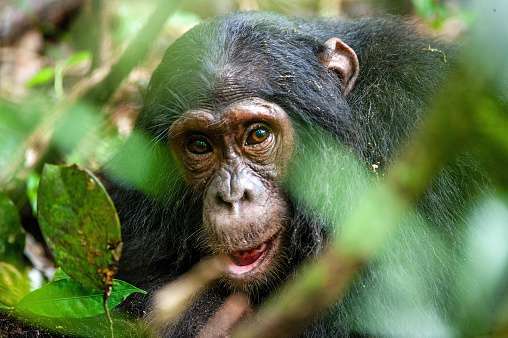
Close up portrait of old chimpanzee Pan troglodytes resting in the jungle of Kibale forest in Uganda: One of the activities that requires a specialized guide.
One important point many visitors overlook is that some national park activities include mandatory ranger guides.
For example, every gorilla trekking experience in Bwindi Impenetrable National Park and Mgahinga Gorilla National Park includes Uganda Wildlife Authority ranger guides. These guides accompany visitors throughout the trek because they monitor gorilla families daily and understand their movements.
Similarly, chimpanzee trekking in Kibale National Park, Kyambura Gorge, Budongo Forest, and other chimpanzee destinations typically includes trained park guides.
Nature walks inside national parks are also conducted by armed ranger guides who ensure visitor safety while interpreting wildlife and vegetation along the trails.
In these situations, hiring an additional private guide on safari in Uganda is unnecessary because the park already provides trained professionals as part of the activity.
However, your driver-guide still plays an important role before and after these experiences by coordinating schedules, transporting you between destinations, and assisting with logistics.
Independent Guide or Driver-Guide: Which Is Better?
The answer depends entirely on your travel expectations.
For most first-time visitors, an experienced driver-guide provides everything needed for an unforgettable safari. They understand Uganda’s tourism routes, wildlife behavior, accommodation options, road conditions, and cultural attractions.
Moreover, combining driving and guiding reduces overall costs because you pay one professional instead of two.
On the other hand, travelers pursuing highly specialized interests may benefit from hiring an independent guide alongside their driver. Wildlife photographers, serious birders, documentary filmmakers, scientists, and academic researchers often require expertise beyond standard safari guiding.
Therefore, there is no universal answer. The best choice depends on the type of safari you wish to experience.
Factors to Consider When Hiring a Private Guide on Safari in Uganda
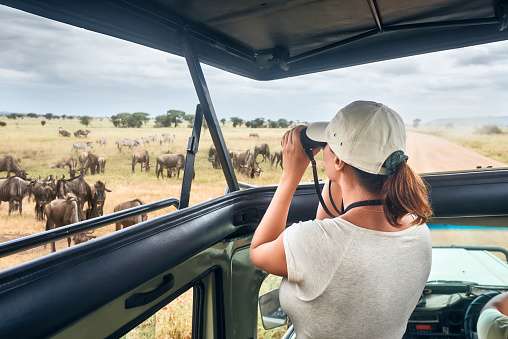
Choosing the right private guide on safari in Uganda requires careful consideration because your guide influences nearly every part of your trip.
- Experience should always come first. A guide with many years of field experience often understands wildlife behavior better than someone who has recently entered the profession. Experienced guides also know alternative routes, seasonal animal movements, and hidden attractions that many visitors never discover.
- Professional certification is equally important. Many reputable guides belong to organizations such as the Uganda Safari Guides Association (USAGA) or have received training recognized by the Uganda Wildlife Authority and the Uganda Tourism Board. Membership in professional associations demonstrates commitment to high industry standards and continuous training.
- Communication skills also deserve close attention. The best guides explain complex topics clearly while remaining patient, engaging, and approachable. They should encourage questions and adapt their explanations to your level of interest.
- Personality matters as well. You may spend several days or even weeks together, so a friendly, respectful, and enthusiastic guide can make your safari far more enjoyable.
- Reading recent reviews provides another valuable insight. Independent platforms such as Google Reviews and TripAdvisor often reveal whether previous travelers consistently praised a guide’s professionalism, punctuality, knowledge, and customer service.
Do You Need a Guide Who Speaks Your Language?
Language can significantly influence your safari experience.
Although English is Uganda’s official language and the primary language used within the tourism industry, many visitors feel more comfortable communicating in their native language.
Fortunately, several Ugandan tour companies work with multilingual guides who speak French, Spanish, German, Italian, Portuguese, Dutch, Chinese, Japanese, and other languages.
French-speaking guides are particularly popular because Uganda receives many visitors from France, Belgium, Switzerland, and parts of Canada.
Spanish-speaking guides also continue to grow in demand as tourism from Spain and Latin America increases.
German, Italian, and Dutch guides are available through specialized operators, although they often require advance booking due to limited availability.
If speaking your native language is important, request a multilingual guide several months before your trip. During peak safari seasons, experienced foreign-language guides become fully booked well in advance.
Should Self-Drive Travelers Hire a Guide?
Many visitors choose self-drive safaris because they offer flexibility and independence.
However, self-driving does not prevent you from hiring a guide.
Some travelers hire professional guides for only a few days, particularly while visiting wildlife-rich destinations such as Queen Elizabeth National Park or Murchison Falls National Park. Others hire guides for gorilla trekking extensions or birdwatching excursions before continuing independently.
This hybrid approach combines the freedom of self-driving with the expertise of a professional guide during the most rewarding wildlife experiences.
How Much Does a Private Guide on Safari in Uganda Cost?
The cost of hiring a private guide on safari in Uganda depends on experience, language skills, specialization, and the duration of your trip.
Many tour operators include guiding services within the overall safari package when you book a vehicle with a driver-guide. This option often represents the best value because transportation and guiding are combined into one price.
Independent specialist guides generally charge additional daily rates, especially photographers’ guides, birding specialists, multilingual guides, and conservation experts.
Rather than choosing the cheapest option, focus on experience, reputation, and professionalism. An outstanding guide can transform your safari into an unforgettable adventure, while an inexperienced guide may reduce the overall quality of your trip.
Final Thoughts
Hiring a private guide on safari in Uganda can greatly enhance your experience, but it is not always necessary. For most travelers, an experienced driver-guide supplied by a reputable tour operator provides excellent wildlife interpretation, destination knowledge, and logistical support throughout the journey.
Nevertheless, certain activities such as gorilla trekking, chimpanzee tracking, and guided nature walks already include expert Uganda Wildlife Authority ranger guides, meaning there is no need to arrange additional guiding services for those experiences.
If your interests include birdwatching, wildlife photography, filmmaking, or foreign-language interpretation, hiring a specialist guide may offer significant additional value. Ultimately, the best decision depends on your travel goals, preferred style of exploration, and budget.
Whichever option you choose, selecting an experienced and knowledgeable guide will enrich your understanding of Uganda’s extraordinary wildlife, diverse cultures, and breathtaking landscapes. With the right guide by your side, every game drive, forest walk, and community visit becomes more than just sightseeing. It becomes a meaningful journey through one of Africa’s most remarkable safari destinations.