
A safari in Uganda offers far more than thrilling wildlife encounters and breathtaking landscapes. Known as the “Pearl of Africa,” this East African nation combines rich biodiversity with vibrant cultural traditions that have shaped communities for centuries. While many travelers visit for gorilla trekking, game drives, and birdwatching, adding cultural experiences to a safari in Uganda creates a more meaningful and unforgettable journey.
Uganda is home to more than 50 indigenous tribes, each with unique customs, languages, dances, and ceremonies. The Baganda in central Uganda preserve a strong royal heritage, while the Batwa people in southwestern Uganda maintain ancient forest traditions closely connected to gorilla habitats. In eastern Uganda, the Bagisu celebrate cultural identity through energetic dance and rituals, while northern communities continue to showcase storytelling, drumming, and craftsmanship that reflect generations of resilience and history.
Choosing a safari in Uganda gives travelers the rare opportunity to combine wildlife adventures with authentic cultural immersion. After tracking mountain gorillas in Bwindi Impenetrable Forest, visitors can interact with the Batwa community and learn about their traditional forest lifestyle. Near Queen Elizabeth National Park, travelers can visit rural homesteads and experience local cooking, farming, and craft-making traditions that continue to shape daily life.
Modern travelers increasingly seek authentic experiences rather than ordinary sightseeing. Cultural tourism has become an important part of every safari in Uganda because it supports local communities, preserves traditions, and encourages sustainable travel practices. Many cultural initiatives now work closely with safari lodges and tour operators to ensure tourism directly benefits local residents.
If you are planning your next safari in Uganda, these cultural activities deserve a place on your itinerary.
Visit the Batwa community near Bwindi Impenetrable Park

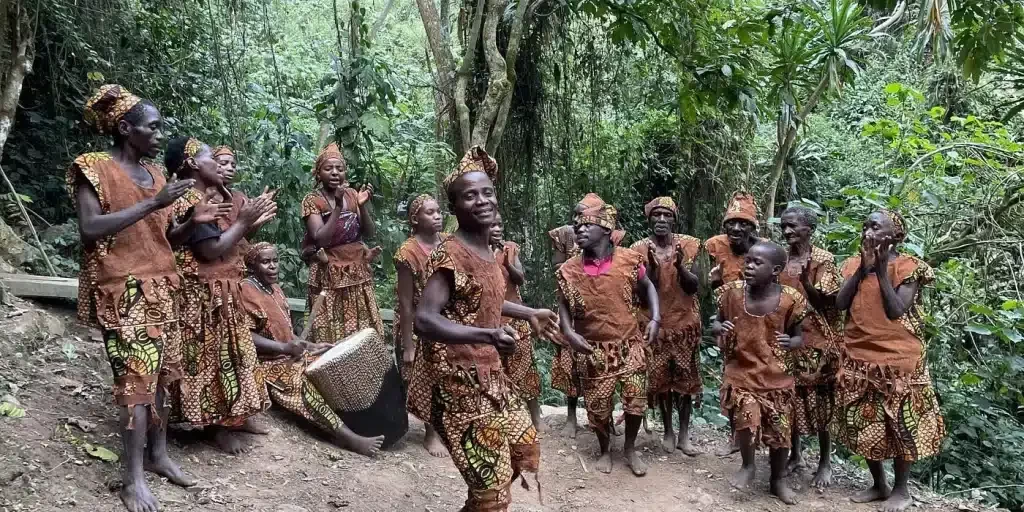
The Batwa people are among Uganda’s oldest indigenous communities. For generations, they lived as hunters and gatherers in the forests of southwestern Uganda before conservation programs relocated them outside the protected areas. Today, visiting the Batwa community remains one of the most enriching cultural experiences to include in a safari in Uganda.
During the experience, Batwa guides demonstrate traditional hunting methods, medicinal plant use, fire-making techniques, and ancient dances. Visitors walk through forest trails while listening to stories about how the Batwa once lived in harmony with nature alongside gorillas and other wildlife.
This activity perfectly complements gorilla trekking because it adds cultural depth and historical perspective to a wildlife-focused safari in Uganda.
Experience traditional dance and music performances
Music and dance form an essential part of Ugandan culture. Every community uses performance to celebrate weddings, harvests, royal ceremonies, and important social events. Including traditional performances in your safari in Uganda introduces you to the country’s vibrant identity and storytelling traditions.
The Kiganda dance from central Uganda features rhythmic drumbeats and graceful movements linked to the Buganda Kingdom’s heritage. In western Uganda, energetic Banyankole dances celebrate cattle culture and community pride. Northern Uganda showcases powerful drumming performances that unite entire villages during celebrations.
Many safari lodges and cultural centers organize evening performances for travelers. Watching traditional dancers in colorful attire while listening to live drumming creates an unforgettable cultural atmosphere during your safari in Uganda.
Explore the heritage of the Buganda Kingdom
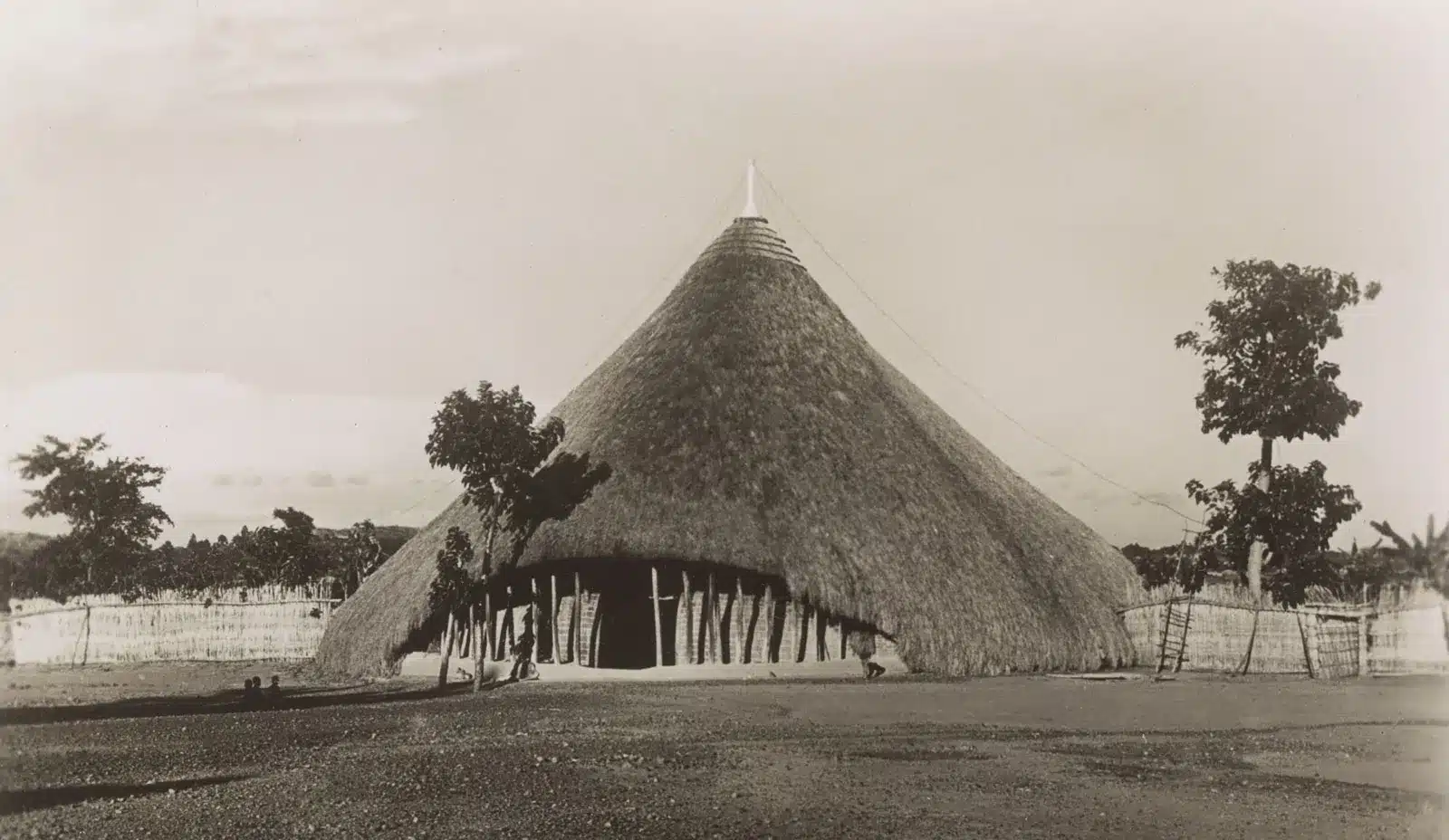
The Buganda Kingdom remains one of East Africa’s most influential traditional kingdoms. Exploring its heritage adds historical insight to any safari in Uganda.
The Kasubi Tombs in Kampala serve as the burial grounds for Buganda kings and hold immense cultural significance. Visitors can also explore the Kabaka’s Palace and learn about the kingdom’s leadership structures, customs, and traditions that still influence modern Ugandan society.
Understanding Buganda’s history allows travelers to appreciate the cultural foundations that continue to shape Uganda today. It also enriches the overall experience of a safari in Uganda by connecting wildlife exploration with historical discovery.
Participate in local food experiences
Food plays a major role in Ugandan culture and offers travelers a delicious way to connect with local communities. Culinary experiences have become increasingly popular additions to a safari in Uganda because they provide authentic interaction and cultural exchange.
Traditional Ugandan meals often include matoke, groundnut sauce, millet bread, beans, grilled meat, and fresh vegetables. Visitors may join local families in preparing meals over firewood, harvesting bananas, or brewing traditional beverages.
Sampling local dishes creates memorable moments during a safari in Uganda while supporting community tourism initiatives and local farmers. Travelers should also try the famous Rolex, a popular Ugandan street food made with eggs and chapati.
Visit traditional homesteads and craft centers
Community visits allow travelers to experience daily life in rural Uganda. Exploring traditional homesteads during a safari in Uganda provides insight into farming practices, architecture, and family traditions that remain central to local communities.
Women’s cooperatives across Uganda produce handmade baskets, pottery, jewelry, and woven fabrics that reflect cultural identity and artistic heritage. Buying crafts directly from local artisans supports community development and helps preserve traditional skills.
Hands-on activities such as weaving and pottery-making create meaningful connections between travelers and local communities, making them valuable additions to a safari in Uganda.
Attend cultural festivals and ceremonies
Uganda hosts colorful festivals throughout the year that celebrate music, heritage, dance, and spirituality. Planning your safari in Uganda around a cultural festival creates a more immersive travel experience.
One of the country’s most famous events is the Imbalu circumcision ceremony among the Bagisu people in eastern Uganda. The celebration includes energetic dances, traditional music, and public gatherings that symbolize the transition into adulthood.
Other festivals showcase storytelling, regional cuisines, and traditional art forms that attract communities from across the country. These celebrations reveal the pride Ugandans take in preserving their traditions while embracing modern influences.
Attending a cultural event adds authenticity, excitement, and local connection to any safari in Uganda.
Learn about cattle culture in western Uganda
In western Uganda, cattle represent wealth, pride, and social identity among communities such as the Banyankole. Visiting cattle farms during a safari in Uganda introduces travelers to a pastoral lifestyle that has existed for generations.
Herders demonstrate how they care for the iconic long-horned Ankole cattle, known for their impressive appearance and cultural significance. Visitors can participate in milking activities, listen to traditional songs sung to cattle, and learn about customs related to livestock ownership and marriage traditions.
This experience provides a fascinating cultural contrast to wildlife viewing and adds another unique dimension to a safari in Uganda.
Conclusion
A safari in Uganda becomes far more rewarding when travelers combine wildlife adventures with cultural experiences. While gorilla trekking, game drives, and birdwatching showcase the country’s natural beauty, cultural activities reveal the heart and soul of Uganda through its people, traditions, music, and history.
From visiting the Batwa community near Bwindi to exploring the royal heritage of Buganda, cultural tourism transforms an ordinary safari in Uganda into a journey filled with authentic human connection and deeper understanding.
Cultural experiences also support local communities, preserve traditions, and promote sustainable tourism practices that benefit future generations. Travelers not only create unforgettable memories but also contribute directly to the preservation of Uganda’s rich cultural heritage.
The landscapes and wildlife may inspire visitors to book a safari in Uganda, but the warmth, diversity, and traditions of the Ugandan people often become the most lasting memories of all.







1 Comment