
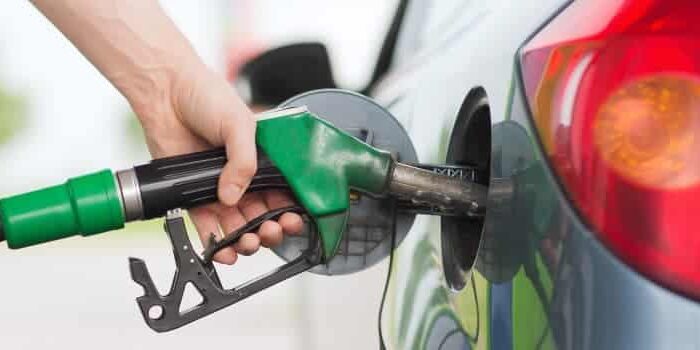
A self-drive Uganda trip gives you freedom, flexibility, and control over your journey. You decide where to go, when to stop, and how long to stay. If you are exploring national parks, cruising along highways, or navigating busy city roads, driving yourself allows you to experience Uganda on your own terms.
However, fuel costs can quickly add up, especially on long-distance trips or rough terrain. If you don’t manage your fuel usage well, it can strain your budget and limit how far you can travel. The good news is that you can reduce fuel consumption significantly by adopting simple, practical habits.
Understanding how to drive efficiently, maintain your vehicle, and plan your routes will help you get the most out of your self-drive Uganda experience without overspending on fuel.
Drive smoothly and avoid aggressive habits
The way you drive has a direct impact on fuel consumption. Smooth and steady driving helps your engine use less fuel, while aggressive habits increase consumption quickly.
When you accelerate too fast, your engine burns more fuel than necessary. The same happens when you brake suddenly and frequently. Instead, aim for gradual acceleration and gentle braking. Maintaining a steady speed, especially on highways, allows your vehicle to operate more efficiently.
During your self-drive Uganda journey, you will encounter different road conditions, from paved highways to rough murram roads. Adjust your speed accordingly and avoid unnecessary acceleration. This simple change alone can save a noticeable amount of fuel over time.
Maintain the right tire pressure

Many drivers overlook tire pressure, yet it plays a major role in fuel efficiency. Underinflated tires create more resistance between the vehicle and the road, forcing the engine to work harder and consume more fuel.
Before starting your self-drive Uganda trip, check your tire pressure and ensure it matches the recommended levels. Continue checking periodically, especially on long journeys. Properly inflated tires improve fuel efficiency, enhance safety, and extend tire lifespan.
Even small adjustments in tire pressure can make a difference, particularly when driving long distances.
Plan your routes carefully
Route planning can save both time and fuel. Taking longer or poorly maintained roads increases fuel consumption and adds unnecessary wear on your vehicle.
Before heading out, review your route and choose the most efficient path. Use reliable maps or GPS tools, but also consider local advice, especially when traveling to remote areas. Some roads may appear shorter but turn out to be rough and slow, which increases fuel usage.
During your self-drive Uganda experience, try to combine multiple stops into one trip instead of making several separate journeys. This reduces the total distance you travel and helps you conserve fuel.
Reduce unnecessary weight
The more weight your vehicle carries, the more fuel it consumes. Heavy loads force the engine to work harder, especially on hills or rough terrain.
Pack only what you need for your trip and avoid carrying unnecessary items. If you are using a 4×4 vehicle for your self-drive Uganda adventure, remember that these vehicles already consume more fuel than smaller cars. Keeping the load light helps improve efficiency.
Removing unused roof racks or heavy equipment can also reduce drag and improve fuel economy.
Use air conditioning wisely

Air conditioning provides comfort, especially during hot days, but it can increase fuel consumption if used excessively. Running the AC continuously puts extra load on the engine.
When driving at lower speeds, consider opening the windows instead of using air conditioning. At higher speeds, however, open windows can create drag, so using the AC moderately may be more efficient.
Balancing comfort and efficiency during your self-drive Uganda trip helps you save fuel without sacrificing too much convenience.
Service your vehicle regularly
A well-maintained vehicle runs more efficiently and uses less fuel. Poor maintenance, such as dirty air filters or worn-out engine components, can increase fuel consumption significantly.
Before starting your self-drive Uganda journey, ensure the vehicle is in good condition. Check the engine, oil levels, filters, and overall performance. If you rent a car, choose a reputable provider that maintains its vehicles properly.
Regular servicing ensures that your engine operates smoothly and reduces the risk of breakdowns during your trip.
Avoid idling for too long
Leaving your engine running while parked wastes fuel without providing any benefit. Many drivers keep the engine on while waiting, but this habit adds up over time. If you expect to stop for more than a minute or two, switch off the engine. This simple habit can save fuel, especially during city driving or while waiting in traffic.
During your self-drive Uganda experience, you may encounter delays or stops. Turning off the engine during these moments helps conserve fuel and reduces unnecessary consumption.
Final thoughts
A self-drive Uganda adventure offers an incredible way to explore the country’s beauty, but fuel costs can impact your overall experience if you don’t manage them wisely. By driving smoothly, maintaining your vehicle, planning your routes, and avoiding unnecessary fuel waste, you can significantly reduce your expenses.
Small changes in your driving habits and preparation can lead to big savings over time. These savings allow you to travel further, explore more destinations, and enjoy your journey without financial stress.
When you approach your trip with efficiency in mind, your self-drive Uganda experience becomes not only adventurous but also smart and sustainable.






2 Comments