
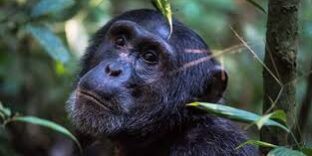
The Uganda Wildlife Authority in February 2026 officially updated its chimpanzee trekking fees for 2027, signaling a significant shift in the country’s wildlife tourism pricing structure. The new rates, aligned with ongoing conservation efforts and increasing global demand, are expected to impact both international and regional travelers planning primate safaris in the Pearl of Africa.
Chimpanzee trekking remains one of Uganda’s most sought-after wildlife experiences. Conducted mainly in destinations such as Kibale Forest National Park, Budongo Forest, and Kyambura Gorge, the activity allows visitors to spend time observing chimpanzees in their natural habitat. With new pricing structures set to take effect in 2027, stakeholders across the tourism sector are closely analyzing the implications.
New Chimpanzee Trekking fees for 2027
According to updated tourism projections and industry sources, chimpanzee trekking permits in Uganda will increase across major destinations effective 1st January 2027. The revised fees reflect both conservation priorities and the growing popularity of primate tourism.
For Kibale Forest National Park, Uganda’s premier chimpanzee trekking destination, the new rates are expected as follows:
- Foreign non-residents: USD 300 per person (up from USD 250)
- Foreign residents: Estimated increase from USD 200 to around USD 250
- East African citizens: Adjusted rates expected beyond current UGX 180,000
For the chimpanzee habituation experience, which allows visitors to spend up to four hours with the primates, prices are also set to rise.
- Foreign non-residents: USD 350 (up from USD 300)
- Foreign residents: Around USD 300
- East African citizens: Expected increase beyond UGX 250,000
Other chimpanzee trekking destinations will also see notable changes:
- Budongo Forest: Expected increase from USD 130–150 to approximately USD 175
- Kyambura Gorge: Projected rise from USD 50–100 to about USD 120
These updates build on the existing 2024–2026 tariff structure, where chimpanzee permits in Kibale currently cost USD 250 for foreign non-residents and USD 200 for foreign residents
Why Uganda is increasing chimpanzee permit fees
The price adjustments are not arbitrary. Uganda’s tourism authorities aim to balance conservation, sustainability, and visitor experience. Several key factors explain the increase.
- Conservation funding: Chimpanzees require continuous protection. Revenue from permits directly supports conservation programs, anti-poaching efforts, and habitat preservation. Higher fees ensure long-term sustainability of these ecosystems.
- Managing tourist numbers: Chimpanzee trekking attracts thousands of visitors annually. By adjusting prices, authorities can regulate demand and reduce pressure on fragile habitats.
- Enhancing visitor experience: Fewer crowds often lead to better trekking experiences. Tourists can enjoy more intimate and less rushed encounters with chimpanzees.
- Inflation and operational costs: Rising operational costs, including ranger services and park management, also contribute to the updated pricing structure.
How Uganda compares to previous pricing
The increase for 2027 marks a steady upward trend in chimpanzee trekking fees. Over the years, Uganda has gradually revised its tariffs to match global demand.
- 2024–2026: USD 250 (Kibale standard permit)
- 2027: USD 300 (projected new rate)
This gradual increase reflects Uganda’s strategy to remain competitive while investing in conservation. Even with the new rates, chimpanzee trekking in Uganda remains more affordable than gorilla trekking, which can cost up to USD 800 per permit. However, effective January 2027, Gorilla trekking fees will also rise to USD 1000 in Bwindi Impenetrable National Park
The updated fees will influence both tour operators and tourists planning safaris in Uganda.
Travel companies may adjust their safari packages to reflect the new costs. This could lead to slightly higher overall tour prices, especially for multi-day primate safaris.
Foreign tourists will experience the most noticeable increase. However, many industry experts believe demand will remain strong due to the unique nature of chimpanzee trekking.
East African residents may also see moderate increases, though pricing often remains subsidized compared to international rates.
Booking tips for 2027 Chimpanzee trekking
With rising demand and limited permits, early planning becomes even more important. Here are key tips for securing your trekking experience:
- Book permits at least 3–6 months in advance, especially for peak seasons
- Choose your destination carefully, as prices vary between parks
- Work with licensed tour operators for smoother booking processes
- Consider low seasons for better availability and potential discounts
Chimpanzee trekking permits are issued by the Uganda Wildlife Authority and are required for all visitors aged 15 and above.
Key destinations for Chimpanzee trekking in Uganda
Uganda offers several locations for chimpanzee trekking, each with unique features
- Kibale Forest National Park: Known as the “Primate Capital of the World,” Kibale hosts over 1,500 chimpanzees and offers the most reliable sightings
- Budongo Forest: Located within Murchison Falls National Park, Budongo provides a quieter trekking experience with fewer crowds.
- Kyambura Gorge: Often called the “Valley of Apes,” this destination offers a dramatic landscape and a unique trekking environment.
- Kalinzu Forest: A more affordable option, Kalinzu appeals to budget travelers seeking chimpanzee encounters.
Tourism experts predict that Uganda’s primate tourism sector will continue to grow. The updated chimpanzee trekking fees align with a broader regional trend of increasing conservation-based tourism pricing.
As global interest in eco-tourism rises, Uganda is positioning itself as a premium destination for wildlife experiences. The new pricing structure reflects this shift while ensuring that conservation remains a top priority.
Final thoughts
The updated chimpanzee trekking fees for 2027 mark an important step in Uganda’s tourism evolution. While travelers will pay more, they also contribute directly to conservation and sustainable tourism.
Chimpanzee trekking remains one of the most rewarding wildlife experiences in Africa. With proper planning and early booking, visitors can still enjoy this unforgettable adventure in Uganda’s lush forests.
As the country continues to refine its tourism strategy, the balance between accessibility and sustainability will remain key. For now, the 2027 fee updates highlight Uganda’s commitment to protecting its wildlife while offering world-class travel experiences.






1 Comment