
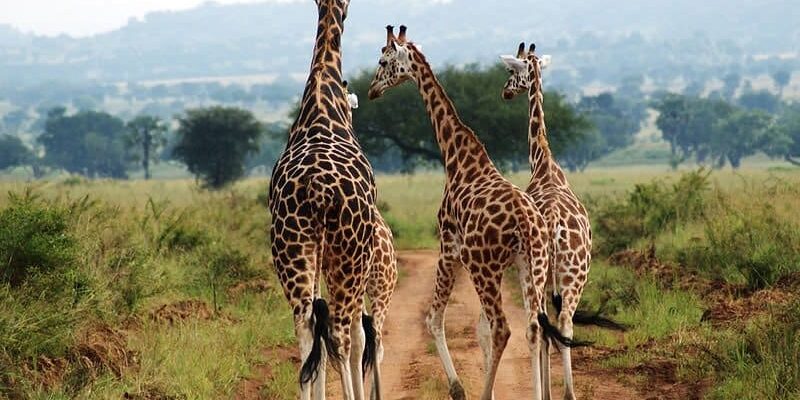
Planning a Uganda safari requires more than simply choosing a national park and booking accommodation. Uganda offers a wide range of experiences, from gorilla trekking in tropical forests to game drives across open savannah landscapes. A successful safari depends on proper timing, realistic budgeting, smart route planning, and understanding what each destination offers.
Uganda has become one of Africa’s most attractive safari destinations because it combines primates, classic wildlife, and scenic beauty within a relatively compact area. Travellers can track mountain gorillas in dense forests, cruise along the Nile River, and watch lions hunt in the same trip. However, without careful preparation, long distances and poor scheduling can quickly turn an exciting journey into a stressful experience.
Understanding how to organize a Uganda safari from start to finish helps you avoid common mistakes while maximizing your time and budget.
Decide what type of Uganda Safari you want

The first step involves identifying the kind of safari experience you want. Uganda offers different travel styles, and each one shapes your itinerary, budget, and destinations.
Some travellers focus mainly on gorilla trekking in Bwindi Impenetrable National Park. Others prefer traditional wildlife safaris with game drives in Queen Elizabeth National Park or Murchison Falls National Park. Adventure travellers often include hiking in the Rwenzori Mountains National Park, while birdwatchers visit wetlands and forests known for rare species such as the shoebill stork.
Your interests determine how many days you need and how much money you should budget. For example, a gorilla-focused Uganda safari may last only three to four days, while a complete wildlife and primate itinerary can easily extend beyond ten days.
Choose the best time to travel
Timing plays a major role in the quality of a Uganda safari. Uganda’s climate remains relatively stable throughout the year, but rainfall patterns affect road conditions and trekking experiences.
The dry seasons, from June to September and December to February, provide the best overall safari conditions. During these months, trails remain easier to navigate, and wildlife tends to gather around water sources, which improves game viewing.
For example, travellers visiting Queen Elizabeth National Park during the dry season often experience better sightings because animals stay closer to rivers and open grasslands.
The rainy seasons, usually from March to May and October to November, bring fewer tourists and lower accommodation prices. However, some roads become muddy and difficult to access, especially in remote areas.
Travellers planning a Uganda safari on a tighter budget often choose shoulder seasons because they balance affordability with manageable weather conditions.
Set a realistic budget
Budgeting forms one of the most important parts of planning a Uganda safari. Costs vary depending on accommodation, transportation, and activities.
Gorilla trekking remains the biggest single expense. Permits cost approximately $800 per person and allow visitors to spend one hour with a habituated gorilla family in Bwindi. This fee supports conservation programs and local communities.
Budget safaris usually cost between $180 and $350 per person per day. Mid-range and luxury safaris can cost significantly more depending on the level of comfort and exclusivity.
Transport also affects your budget. Road safaris cost less than domestic flights, but Uganda’s long driving distances require patience. For example, travelling from Kampala to Bwindi may take between eight and ten hours by road.
Travellers who plan carefully often reduce costs by joining group safaris, travelling during off-peak months, and selecting well-located budget lodges instead of expensive luxury camps.
Select the right national park

Each national park contributes something unique to a Uganda safari, so choosing the right combination matters.
Bwindi Impenetrable National Park attracts travellers interested in gorilla trekking. The forest protects nearly half of the world’s remaining mountain gorillas and remains Uganda’s most famous safari destination.
Queen Elizabeth National Park on the other hand delivers classic African wildlife experiences. Visitors often see elephants, buffalo, hippos, and the famous tree-climbing lions of the Ishasha sector. Boat cruises along the Kazinga Channel bring travellers close to large concentrations of wildlife and birds.
Further more, Murchison Falls National Park combines powerful scenery with excellent wildlife viewing. The Nile River explodes through a narrow gorge before forming the dramatic Murchison Falls. Game drives in the northern plains regularly reveal giraffes, lions, and antelope species.
Kibale National Park offers some of Africa’s best chimpanzee tracking experiences. The forest supports a high density of primates, making sightings relatively reliable. Choosing parks that align with your interests helps create a balanced and enjoyable Uganda safari.
Plan a realistic itinerary
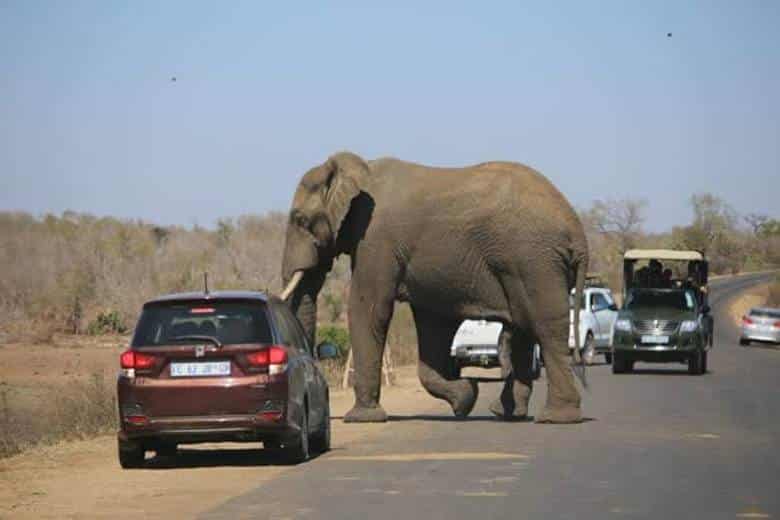
One of the most common mistakes travellers make involves trying to visit too many destinations in a short period. Uganda’s road network requires time, especially between remote parks. For visitors that want to consider driving in Uganda, be informed that road conditions change depending on the weather and locations. It is therefore important to get vehicle that can traverse different road conditions.
A well-planned Uganda safari also allows enough time in each destination. Spending at least two nights in major parks improves your chances of meaningful wildlife encounters and reduces travel fatigue. For example, combining Bwindi, Queen Elizabeth National Park, and Kibale over seven days creates a balanced route with manageable travel times. Attempting to add Murchison Falls to the same schedule may result in excessive driving and limited time for activities.
Domestic flights help reduce travel time, but they increase overall costs. Travellers should weigh convenience against budget when planning their itinerary.
Book permits and accommodation early
Uganda limits gorilla and chimpanzee trekking permits to protect wildlife and maintain sustainable tourism practices. During peak seasons, permits often sell out several months in advance. Accommodation near popular parks also fills quickly, especially in areas close to trekking starting points. Booking early provides more options and helps secure better prices.
Travellers should also consider lodge location carefully. Staying near park entrances reduces early morning travel and improves access to activities. For example, lodges near Bwindi trekking sectors allow visitors to begin hikes earlier, which increases flexibility and reduces unnecessary driving.
Prepare for the safari experience
Packing correctly improves comfort and safety during a Uganda safari. Gorilla trekking and forest walks require proper hiking shoes, lightweight clothing, and waterproof gear. Uganda’s weather changes quickly, especially in mountainous regions. Even during dry seasons, sudden rain showers remain common in forested areas.
Travellers should also prepare physically for trekking activities. Gorilla hikes vary in difficulty and may involve steep or muddy terrain. Basic fitness helps make the experience more enjoyable.
Health preparation matters as well. Visitors often consult travel clinics before departure regarding vaccinations and malaria prevention.
Understand local culture and conservation
A Uganda safari involves more than wildlife viewing. Local communities play an important role in conservation and tourism. Many lodges and tour operators support schools, health programs, and community projects through tourism revenue. Visitors who respect local customs and support responsible tourism contribute directly to conservation efforts.
For example, gorilla tourism generates significant income for communities surrounding Bwindi, which encourages long-term protection of wildlife habitats. Understanding this connection adds depth and meaning to the safari experience.
Final thoughts
Planning a Uganda safari from start to finish requires careful preparation, realistic expectations, and smart decision-making. Choosing the right parks, setting a practical budget, and allowing enough travel time all contribute to a smoother and more rewarding journey.
Uganda offers one of Africa’s richest safari experiences because it combines gorilla trekking, classic wildlife viewing, and diverse landscapes within one destination. Travellers who plan thoughtfully enjoy not only unforgettable wildlife encounters but also a deeper connection to the country’s natural beauty and conservation efforts. A well-organized Uganda safari transforms a simple vacation into a truly life-changing adventure.





2 Comments