Gorilla trekking in Uganda offers something that few wildlife experiences can match: the opportunity to enter a mountain gorilla’s forest habitat and spend precious moments observing one of humanity’s closest living relatives. Deep in the mist-covered forests of Bwindi Impenetrable National Park and Mgahinga Gorilla National Park, travelers follow experienced trackers through dense vegetation, steep slopes and tangled forest trails in search of habituated gorilla families. For many visitors, this encounter becomes the defining moment of their Uganda safari.
However, this remarkable experience requires more than a plane ticket and a pair of hiking boots. Travelers must secure a gorilla trekking permit, choose the right trekking destination, prepare for demanding terrain and understand the rules that protect both visitors and gorillas.
The cost also deserves attention. Uganda’s announced gorilla trekking permit price increase to US$1,000 from January 2027 will affect budgeting for the relevant visitor categories, subject to the official Uganda Wildlife Authority tariff. Anyone planning a future trip should confirm the applicable rate before making payments.
At GoFurther 4×4 Car Rental, we believe a successful gorilla safari starts long before you enter the forest. This guide explains what you need to know about gorilla trekking in Uganda, from securing your permit to preparing for the moment you finally stand before a mountain gorilla.
Why gorilla trekking🦍 in Uganda is so special

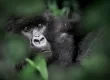
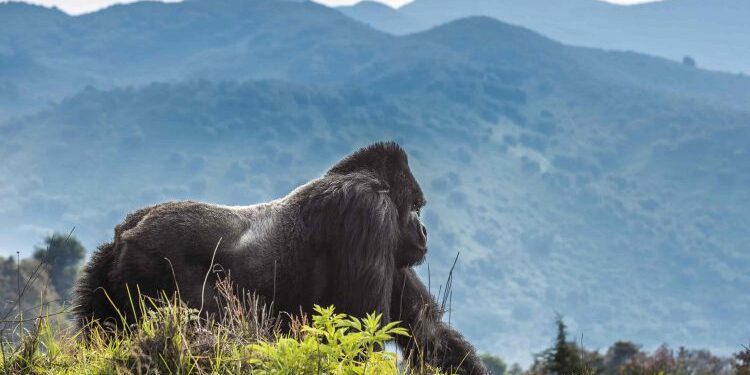
Close-up image of a silverback in Bwindi Impenetrable National Park
Imagine walking through a forest where giant trees block much of the sunlight. Birds call from the canopy, leaves rustle beneath your boots, and your guide pauses to listen for information from the trackers ahead. Then someone signals that the gorillas are nearby.
You move carefully through the vegetation. A silverback sits among the greenery while younger gorillas play, climb and investigate their surroundings. A mother watches over her infant. For a brief period, you observe their world without asking them to perform for a camera or respond to visitors.
That is the essence of gorilla trekking in Uganda.
Mountain gorillas live in social groups led by dominant silverbacks. They spend much of their time feeding, resting, grooming and interacting with other members of their families. Their behaviour can feel surprisingly familiar, yet their forest environment remains entirely their own.
Uganda offers this experience in two national parks: Bwindi Impenetrable National Park and Mgahinga Gorilla National Park. Both form part of the wider conservation landscape shared by Uganda, Rwanda and the Democratic Republic of the Congo.
Uganda stands out because travelers can combine gorilla trekking with other safari experiences. Depending on their itinerary, visitors can add chimpanzee tracking, savannah wildlife viewing, cultural encounters, scenic drives and relaxation around Lake Bunyonyi or Lake Mutanda.
The experience also supports conservation. Permit revenue contributes to the management of protected areas, while gorilla tourism creates employment for guides, trackers, rangers, porters and surrounding communities.
You are not simply paying to see an animal. You are participating in a carefully managed conservation experience.
Where to go for gorilla trekking in Uganda
Your choice of national park affects your accommodation, driving route, trekking arrangements and the overall shape of your safari.
Bwindi Impenetrable National Park
The mist covered Bwindi Impenetrable Forest nested in the Virunga ranges, home to the endangered mountain gorillas.
Bwindi is Uganda’s principal destination for mountain gorilla trekking. Its ancient rainforest supports a substantial population of mountain gorillas, alongside numerous bird species, forest mammals, butterflies and other wildlife.
The forest’s name reflects its character. Thick vegetation, steep ridges, muddy paths and dense undergrowth can make the trek physically demanding. However, this challenging terrain forms part of what makes the experience so memorable.
Bwindi has four main gorilla trekking sectors: Buhoma, Ruhija, Rushaga and Nkuringo.
Buhoma lies in northern Bwindi. Travelers often combine this sector with visits to Queen Elizabeth National Park, particularly when they plan a broader western Uganda safari.
Ruhija sits in the eastern part of Bwindi. Its high-altitude forest scenery and birdlife appeal to visitors who want to explore more than gorillas.
Rushaga lies in southern Bwindi and offers access to several habituated gorilla families. Travelers should check the current availability of standard trekking and gorilla habituation experiences when planning their visit.
Nkuringo occupies the southwestern part of the forest. Its mountainous surroundings offer dramatic views, although some treks and access routes can be demanding.
The most important planning rule is simple: book your gorilla permit before choosing your final accommodation and transport arrangements. Your permit identifies the trekking sector and date, so you should organize your itinerary around that allocation.
Do not assume that a lodge near one sector will provide convenient access to another. Bwindi’s terrain and road network can make transfers between sectors lengthy.
Mgahinga Gorilla National Park

Mgahinga Gorilla National Park sits in southwestern Uganda, within the Virunga volcanic landscape. The park protects mountain gorillas, golden monkeys and several other species within a spectacular setting of forested slopes and volcanic peaks.
Although Mgahinga is smaller than Bwindi, it offers a distinct trekking atmosphere. The landscape includes bamboo forest, montane vegetation and views toward the Virunga volcanoes.
Visitors who choose Mgahinga can combine gorilla trekking with golden monkey tracking, guided nature walks and volcano-related activities where permitted.
However, travelers should confirm permit availability and the current allocation of gorilla trekking opportunities before building their itinerary around this park.
Bwindi vs Mgahinga
The choice between Bwindi and Mgahinga is where many travelers scratch their heads. Both parks offer authentic mountain gorilla encounters, but neither guarantees an easy trek.
Bwindi provides four main trekking sectors and a wider range of sector-specific accommodation choices. Mgahinga offers a smaller, volcanic landscape and opportunities to combine gorilla trekking with other park activities.
Your decision should depend on permit availability, the wider safari route, accommodation preferences, physical ability and the experiences you want to include.
Prices of Gorilla trekking permits in Uganda
A gorilla trekking permit gives you authorization to participate in a scheduled trek under the park’s rules. You cannot simply arrive at Bwindi or Mgahinga and expect to join a group without the required booking.
Uganda Wildlife Authority manages the protected areas and oversees the official permit system. Up until 31st December 2026, one gorilla permit costs 800USD. However, the announced change to the US$1,000 gorilla trekking permit price effective January 2027 is an important consideration for travelers planning a future safari.
However, permit prices can differ according to visitor category and permit type. The standard gorilla trekking permit for an international non-resident may not carry the same price as a permit for a foreign resident or an eligible East African citizen.
Before booking, confirm the official tariff for your nationality and residence status. It is important to confirm the effective date and full fee schedule directly with Uganda Wildlife Authority before publishing or paying for a 2027 trek. Do not rely on an old tariff or assume that every visitor category will pay US$1,000.
What the gorilla trekking permit covers
A standard permit generally covers participation in the scheduled gorilla trekking activity and the opportunity to spend up to one hour observing the assigned habituated gorilla group once the trackers locate it, subject to official rules and operational conditions.
The permit does not automatically cover every expense associated with your gorilla trekking safari trip. Travelers should budget separately for:
- Transport to and from the national park.
- Meals and drinks, depending on their package
- Accommodation before and after the trek
- Tips for guides, trackers and other service providers.
- Travel insurance and personal expenses.
- Additional activities, such as chimpanzee tracking or golden monkey tracking.
- Porter services where needed
The price of a permit is only one part of your total gorilla safari budget.
What happens during gorilla trekking in Uganda?

Your trekking day begins early, usually with a transfer to the designated park briefing point.
The morning briefing
Park staff explain the rules, divide visitors into trekking groups and provide instructions for the forest.
Guides consider the location of the gorilla families, the expected conditions and the needs of participants when organizing the trek. Your group then sets off with trained personnel who know the forest and monitor the gorillas.
Listen carefully during the briefing. The instructions protect visitors, gorillas and the integrity of the experience.
The search through the forest
There is no fixed trail that guarantees a short walk to the gorillas. Mountain gorillas move through their habitat to find food, rest and interact with their families.
Trackers often head into the forest ahead of the visitor group. They use their knowledge of gorilla movements and signs to help locate the assigned group.
The walk may take a relatively short time, or it may last several hours. Steep slopes, thick vegetation, muddy ground and changes in elevation can make the journey physically challenging.
Your guide sets the pace and helps you navigate difficult sections. Take breaks when necessary and communicate honestly about your physical condition.
The gorilla encounter
When the trackers locate the gorillas, your guide explains how to approach and where to stand.
You then observe the group under the guidance of the park staff. You may see a silverback resting, juveniles playing, mothers caring for infants or several gorillas feeding among the vegetation.
The standard experience generally allows up to one hour with the gorillas once the group has been located, subject to official rules and the circumstances of the encounter.
Use that time carefully. Keep your camera ready, follow instructions and avoid unnecessary movement or noise.
The forest does not offer a staged performance. The gorillas may remain close, move through the vegetation or spend much of the encounter feeding and resting. Every trek unfolds differently.
The return journey
After the observation period, your guide leads the group back through the forest.
The return journey can also require effort, particularly after a long trek or on slippery slopes. Allow time to rest, rehydrate and recover before continuing with other travel plans.
For this reason, avoid scheduling a long transfer immediately after trekking without considering your physical condition and the road journey involved.
Gorilla trekking rules every visitor must follow
Mountain gorillas remain wild animals, even when they belong to habituated groups accustomed to human presence.
The rules help protect their health and reduce disturbance.
Maintain the required distance
Follow the distance instructions issued by your guide and park staff. Uganda’s gorilla trekking guidance has traditionally required visitors to keep at least seven metres from gorillas, although staff may adjust instructions according to current health and safety protocols.
Never move closer to improve a photograph. If a gorilla approaches you, follow your guide’s instructions rather than trying to control the animal’s movement.
Never touch or feed a gorilla
Do not attempt to touch, feed, call or provoke a gorilla.
Even a calm animal can react unpredictably if it feels threatened. Feeding wildlife also encourages inappropriate behaviour and can affect natural feeding patterns.
Keep food securely stored and follow the guide’s instructions about eating or drinking near the gorillas.
Keep your voice low
Speak quietly throughout the encounter.
Avoid shouting, sudden movements and attempts to attract the animals’ attention. Give them space to continue their natural behaviour without unnecessary disturbance.
Never use flash photography
Turn off your camera flash before the encounter.
Flash photography can disturb the gorillas and interfere with the experience. Check your camera or phone settings before entering the forest.
Follow your guide’s instructions
Do not leave your group, approach the gorillas independently or attempt to touch them.
Your guide understands the park’s procedures and can respond to changing conditions. Follow instructions immediately, particularly if the gorillas move closer or display signs of agitation.
Observe the official group and time limits
Standard trekking groups operate under limits set by the park authorities. The commonly applied arrangement allows a maximum of eight visitors to visit a habituated gorilla family in a group, subject to the applicable regulations.
The standard observation period generally lasts up to one hour.
These limits help manage visitor pressure and protect the gorillas’ welfare. Confirm current rules with the park before your trek.
Follow health precautions
Mountain gorillas share many biological similarities with humans, which makes them vulnerable to some human respiratory infections and other diseases.
If you feel unwell, especially if you have a cough, fever or flu-like symptoms, tell your tour operator and park staff before trekking. Do not conceal symptoms to avoid missing the activity.
Follow the health screening and exclusion instructions that park authorities apply at the time of your visit.
Minimum age requirement for gorilla trekking in Uganda
Uganda generally sets the minimum age for standard gorilla trekking at 15 years.
Children below the minimum age cannot join a standard trek. If you are traveling with children, confirm the current age policy with Uganda Wildlife Authority before booking.
Do not assume that a child who can manage a long hike automatically qualifies.
Physical fitness and mobility
You do not need to be a professional athlete to trek gorillas, but you should prepare for uneven ground, steep slopes, slippery trails and potentially several hours of walking.
Travelers with limited mobility or certain physical limitations should discuss their needs with their tour operator before booking. The difficulty of a particular trek depends on the gorilla family’s location and the terrain.
Porters can help carry daypacks and provide assistance on difficult sections, but they cannot guarantee that every route will suit every traveler.
Travelers with medical conditions
People with medical conditions should assess their fitness for strenuous walking before booking. Seek medical advice if you have concerns about heart or respiratory problems, significant mobility limitations or other conditions that could make the trek unsafe.
Tell your guide about relevant limitations so the team can help you assess the practical requirements. However, do not expect the park to guarantee an easy route or a particular gorilla location.
Park staff may restrict participation when a visitor presents symptoms that could expose gorillas to infection.
If you develop a respiratory illness or another concerning condition before trekking, inform the relevant authorities and your tour operator. They can explain the applicable health rules and whether any rescheduling options exist.
Never assume that a permit automatically guarantees entry regardless of health conditions.
Risks involved in gorilla trekking in Uganda
Gorilla trekking is an extraordinary wildlife experience, but it is not risk-free. Understanding the risks helps travelers prepare responsibly.
Challenging terrain and physical fatigue
Bwindi and Mgahinga contain steep slopes, uneven ground, thick vegetation and slippery trails, especially after rain.
You may encounter mud, exposed roots and sections that require careful footing. A long trek can also cause fatigue, muscle soreness and dehydration.
Prepare with regular walking or hiking before your trip. Bring suitable footwear, water and clothing, and tell your guide if you need a break.
Changing weather conditions
Rain can fall in Uganda’s mountain forests even during periods that travelers consider relatively dry.
Wet conditions make trails slippery and can reduce comfort during a long walk. Carry a waterproof jacket and protect important items from moisture.
Your guide may adjust the route or timing according to conditions and operational decisions.
Encounters with wild animals
Mountain gorillas are powerful wild animals. Habituation helps them tolerate the presence of carefully managed visitor groups, but it does not make them domesticated.
Follow the rules, maintain the required distance and avoid sudden movements. Never attempt to approach, touch or provoke a gorilla.
If an animal changes its behaviour or moves toward the group, follow your guide’s instructions immediately.
Insect bites and other environmental risks
Forest trekking may expose you to insects, thorny vegetation and other natural hazards.
Wear appropriate clothing, use suitable insect protection and follow medical advice about travel vaccinations and malaria prevention. Uganda’s wider travel health requirements may differ according to your itinerary and medical history.
Consider travel insurance that covers the activities you plan to undertake and understand the limits of your policy.
Infection risks to gorillas
Human illnesses can pose a serious threat to mountain gorillas. A visitor who feels unwell should not conceal symptoms or ignore park instructions. Follow the health precautions provided by your guide and the park authorities.
Responsible behavior protects both the gorillas and the long-term future of gorilla tourism.
What to pack for gorilla trekking in Uganda

Good preparation can make the difference between a miserable hike and an enjoyable adventure.
Pack the following essentials:
- Hiking boots: Choose comfortable footwear with good grip and ankle support.
- Long trousers: Protect your legs from vegetation, insects and scratches.
- Long-sleeved clothing: Wear practical layers suitable for changing temperatures.
- Waterproof jacket: Prepare for rain, even when the forecast looks favourable.
- Gardening or hiking gloves: Gloves can help protect your hands when you need to hold vegetation for balance, but follow your guide’s instructions about touching plants and avoiding unsafe handholds.
- Drinking water: Carry enough water for the expected duration of the trek.
- Energy snacks: Pack suitable snacks and follow your guide’s instructions about when and where to eat.
- Small daypack: Carry your essentials without overloading yourself.
- Insect repellent: Use a suitable product according to its instructions.
- Camera or phone: Prepare your settings in advance and disable flash.
- Waterproof protection: Keep your phone, camera, documents and other important items dry.
- Walking stick: Ask your operator or guide about obtaining one if you would benefit from additional balance.
You may also hire a porter to carry your daypack and assist you on challenging sections. Porters provide valuable support, and hiring one can contribute directly to local livelihoods.
Pack lightly, but do not sacrifice essentials to save a little weight.
The best time for gorilla trekking in Uganda
Travelers can trek gorillas throughout the year, subject to permit availability, park operations and local conditions. However, seasonal weather can influence trail conditions and the overall trekking experience.
Uganda’s commonly recognized drier periods fall broadly around June to August and December to February.
These months can offer more favourable conditions for hiking, although rain remains possible in the mountain forests. They also attract considerable safari demand, so travelers should secure permits and accommodation early.
On the other hand, the wetter periods generally fall around March to May and September to November, although local conditions vary. Rain can make trails muddier and more slippery. However, forest vegetation becomes lush, and travelers may find different conditions for photography and nature observation.
There is no single month that guarantees an easy trek or a closer encounter. Gorilla movements, terrain and weather can change from day to day.
Choose your travel dates according to your wider itinerary, availability and comfort with hiking conditions. Above all, do not hesitate to reserve a reliable 4×4 vehicle with GoFurther 4×4 car rentals for a smooth and memorable gorilla trekking experience.