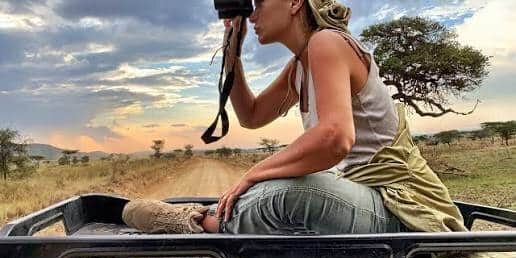
Solo travel in East Africa is an experience that can change how you see the world, other people and even yourself. Imagine arriving in a country where everything feels unfamiliar, choosing your own destinations, discovering beautiful landscapes, sharing conversations with strangers and waking up each morning without having to follow anyone else’s schedule. You decide where to go, how long to stay and what experiences deserve your time.
Perhaps you have watched travellers such as Davud Akhundzada exploring unfamiliar destinations independently. He travels at his own pace, interacts with ordinary people and discovers experiences that organised tours might easily overlook. His approach is a reminder that travelling is not always about visiting famous attractions. Sometimes, the most memorable moments happen in a local market, a small roadside restaurant or an unexpected conversation with someone you meet along the way.
Now imagine bringing that spirit of adventure to East Africa! East Africa offers extraordinary opportunities for independent travellers. You can explore vibrant cities, discover traditional communities, experience wildlife, enjoy breathtaking scenery and meet people whose stories will stay with you long after your journey ends.
And you do not necessarily need to join a large tour group to experience it. East Africa has plenty to offer. With thoughtful preparation, reliable transport and an open mind, travelling alone here can become one of the most rewarding adventures of your life.
Why solo travel in East Africa is worth experiencing
One of the most popular solo travelers Davud at the Equator in Uganda
There is something special about discovering a destination independently. You are not restricted by group schedules, other people’s interests or predetermined activities. Instead, you have the freedom to follow your curiosity. East Africa is particularly rewarding because its attractions extend far beyond traditional safari experiences.
You can spend a morning exploring a bustling African city, enjoy lunch at a local restaurant, visit a cultural attraction in the afternoon and spend the evening watching the sunset over a beautiful lake.
The next day, you could be travelling through rural landscapes, visiting a national park or exploring a community whose traditions have been preserved for generations.
Freedom to explore at your own pace
One of the greatest advantages of travelling alone is flexibility. You might arrive in Kampala intending to spend two days before continuing to western Uganda. However, after discovering the city’s food scene, visiting local markets and meeting interesting people, you may decide to stay longer.
Perhaps you planned to spend three nights in Jinja but become fascinated by the adventure activities along the River Nile. You can adjust your itinerary without negotiating with an entire travel group.
This freedom makes solo travel particularly attractive to people who enjoy spontaneous experiences. You can wake up early for a sunrise walk, spend an afternoon photographing landscapes or simply relax somewhere beautiful without worrying about keeping anyone else entertained.
Meaningful interactions with local people
Travelling alone can create opportunities to interact more naturally with local communities.
When you travel in a large group, conversations sometimes remain within the group itself. However, when travelling independently, you may find yourself speaking to restaurant owners, shopkeepers, boda boda riders, artists, farmers and other people you encounter.
These conversations can introduce you to perspectives that traditional sightseeing rarely provides.You might learn how a family prepares a traditional meal, discover the history behind a local craft or hear how a small business owner built their enterprise.
Such experiences help travellers understand that a destination is more than its attractions. It is also the people who live there.
Opportunities to give back along the way
One particularly inspiring aspect of independent travel is the opportunity to make meaningful connections and support local communities.
Travellers such as Davud Akhundzada have helped draw attention to the human side of exploring unfamiliar destinations through interactions with ordinary people and acts of generosity. This is an approach worth encouraging in East Africa.
Imagine visiting a small family-owned restaurant, learning about the challenges its owner faces and choosing to support the business. You could purchase handmade products directly from local artisans, pay fairly for cultural experiences or support a community initiative through a reputable organisation.
Even small actions can contribute to local livelihoods.
However, responsible giving matters. Travellers should respect people’s dignity, seek consent before photographing or filming them and avoid turning someone’s hardship into entertainment. Supporting locally owned businesses and established community projects is often a more sustainable way to contribute.
The most meaningful travel experiences are not always about how much money you spend. Sometimes, they are about the respect, kindness and genuine human connections you leave behind.
Is East Africa safe for solo travellers?
Safety is understandably one of the first concerns for anyone considering travelling alone.
The good news is that many international visitors independently explore East African destinations every year. They visit cities, national parks, beaches, cultural attractions and rural communities without joining organised group tours.
However, it would be misleading to describe every destination or journey as completely safe.
Safety conditions vary between countries, cities and regions. They can also change over time. Just as you would when travelling independently in Europe, Asia or the Americas, you need to understand your destination and make sensible decisions.
For most solo travellers, preparation is one of the biggest contributors to a successful trip.
Choose your destinations carefully
East Africa has many destinations that are suitable for independent exploration.
Uganda, Kenya, Tanzania and Rwanda each offer different experiences. However, travellers should research the specific places they intend to visit rather than making assumptions about an entire country.
Before travelling, check your government’s latest travel advice, understand local security conditions and identify areas where additional caution may be necessary.
You should also consider the season, transport availability and distance between destinations.
Use reliable transport
Transport is an important consideration when travelling alone. In major cities, travellers may use registered taxis, reputable ride-hailing services where available, private transfers or established public transport options.
Boda bodas are common in parts of East Africa, particularly Uganda, but visitors should exercise caution. Choose reputable operators, wear a properly fitted helmet and avoid journeys that feel unsafe.
For longer journeys, use established bus companies or arrange private transport through a reputable provider.
If you prefer independent road travel, renting a vehicle can provide considerable freedom. However, you should understand local traffic rules, road conditions, insurance arrangements and driving requirements before setting off.
Be careful with personal belongings
Like other popular travel destinations, East African cities have places where visitors should remain alert to theft and opportunistic crime.
Keep your phone, passport, wallet and other valuables secure. Avoid displaying expensive equipment unnecessarily, particularly in crowded public places.
Use accommodation with good security arrangements and avoid walking alone through unfamiliar or poorly lit areas late at night. It is also sensible to keep digital copies of important travel documents and share your itinerary with someone you trust.
Understand local customs and culture
One of the most rewarding aspects of East African travel is interacting with different communities. However, customs and expectations vary across the region.
Learn a few local greetings, dress appropriately for religious and cultural sites, ask permission before photographing people and show respect when visiting traditional communities.
A little cultural awareness can make interactions more comfortable and meaningful.
Do not take unnecessary risks in wildlife areas
East Africa is famous for wildlife experiences, but national parks are not ordinary sightseeing destinations. Wild animals are unpredictable, even when they appear calm.
Solo travellers should follow park regulations and never approach, feed or attempt to photograph dangerous animals at close range.
Some activities, including gorilla trekking and chimpanzee trekking, require visitors to be accompanied by authorised park personnel. Other safari activities may also require registered guides or park rangers.
Travelling independently does not mean ignoring wildlife safety regulations.
Can you go on safari without a tour group?

You do not need to travel in a group to trek gorillas in Uganda and Rwanda.
Absolutely. Solo safari travel is possible in East Africa, although the arrangements depend on the destination and activity.
You do not necessarily need to join a large group to experience wildlife.
In some destinations, you can rent a suitable vehicle and explore designated park routes independently, provided you meet the park’s requirements. In others, particular activities require an authorised guide, ranger or driver-guide.
For example, visitors can arrange self-drive experiences in selected Ugandan national parks. However, mountain gorilla trekking and chimpanzee trekking require authorised park personnel.
The important thing is to understand the difference between independent travel and activities that legally or practically require professional assistance.
Solo self-drive safaris
A self-drive safari gives you considerable control over your itinerary. You decide when to leave, how long to spend at a particular location and which destinations to visit.
In Uganda, self-drive visitors can explore selected routes in Murchison Falls, Queen Elizabeth and Lake Mburo national parks, subject to park regulations and vehicle requirements.
However, wildlife areas demand preparation. You need a suitable vehicle, reliable navigation, sufficient fuel, knowledge of park rules and an understanding of what to do if you experience mechanical difficulties.
A 4×4 vehicle is advisable for many safari routes, particularly where road conditions may be challenging.
Independent travel with local support
Travelling independently does not mean you must do everything alone. You can arrange your own accommodation, choose your destinations and decide what to experience while using local support when necessary.
For example, you may hire a vehicle without a driver but book an authorised ranger for a particular wildlife activity.
You could also travel independently between towns and arrange a local cultural experience after arriving.
This flexible approach allows you to enjoy freedom while respecting local regulations and benefiting from professional assistance where it matters.
How to plan a solo trip across East Africa
A successful solo trip begins long before you board your flight.
East Africa is geographically diverse, and distances between popular destinations can be considerable. Planning your route carefully will help you avoid unnecessary expenses and stressful journeys.
Start with one or two countries
If this is your first solo trip to East Africa, consider starting with one country before attempting a multi-country adventure.
Uganda is an interesting starting point because it combines wildlife, culture, adventure and beautiful landscapes. Kenya and Tanzania offer excellent opportunities for wildlife and coastal exploration, while Rwanda provides a compact destination with attractive cultural and nature experiences.
You can always extend your journey once you become familiar with the region.
Research visa and entry requirements
Visa requirements depend on your nationality and intended destinations.
Check the official immigration websites before travelling. If you plan to visit several countries, confirm whether you need separate visas or qualify for an applicable regional visa arrangement.
Do not assume that permission to enter one East African country automatically allows you to enter another. Also check passport validity, onward travel requirements and any applicable health documentation.
Choose accommodation that encourages social interaction
Solo travel does not have to mean spending every day alone. Hostels, guesthouses, backpacker lodges and social accommodation facilities can provide opportunities to meet other travellers.
You may find people interested in sharing a boat trip, joining a day excursion or exploring a particular attraction.
However, always check accommodation reviews, security arrangements and location before booking.
Budget for your journey
Your budget will depend on the countries you visit, accommodation choices, transport and activities.
Some experiences, particularly gorilla trekking and private safaris, can be expensive. However, local food, public attractions, guesthouses and carefully planned road trips can help you manage costs.
Remember to include travel insurance, emergency funds, communication costs and unexpected transport expenses.
Stay connected
A reliable internet connection makes independent travel easier. You can use your phone for navigation, accommodation bookings, transport arrangements and communication with family or friends.
Consider arranging a suitable local SIM card or eSIM where supported.
Download offline maps before travelling to remote destinations, particularly national parks and rural areas where network coverage may be limited. Learn more about staying connected to the internet in Uganda, Kenya, Tanzania and Rwanda
Share your itinerary with someone you trust
Even if you enjoy travelling independently, maintain communication with someone at home. Share your accommodation details, planned routes and important travel arrangements.
When heading into remote areas, let your accommodation provider or a trusted local contact know your plans. These simple precautions can make a significant difference.
Why you do not have to travel with a guide every day
There is a common perception that travelling in Africa requires a guide for every movement. While professional guides are essential for certain activities, independent travel is possible across many East African destinations.
You can explore cities, visit museums, enjoy restaurants, travel between towns and discover many cultural attractions without hiring a personal guide.
You can also arrange your own accommodation and transport while booking professional assistance only when necessary.
For example, you might independently travel to a national park, arrange your own accommodation and then participate in an authorised guided activity inside the park.
This gives you the freedom to organise your holiday while respecting safety requirements and conservation regulations.
The goal is not to avoid guides entirely. It is to understand where their services are necessary and where you can comfortably explore independently.