
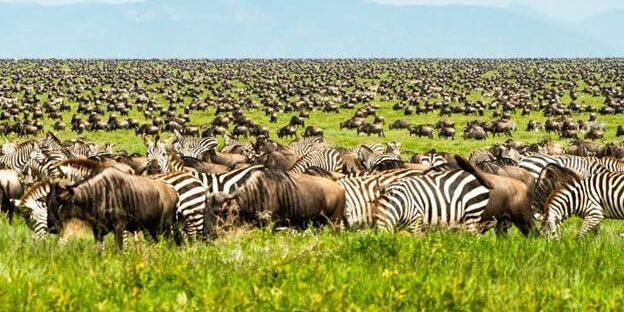
Uganda travel offers one of the most rewarding and diverse experiences in Africa. The country delivers a blend of adventure, culture, and natural beauty that few destinations can match. Often referred to as the “Pearl of Africa,” Uganda continues to attract travelers who seek authenticity rather than overcrowded tourist hotspots.
Planning a successful Uganda travel experience requires more than just booking a flight. You need to understand entry requirements, manage your budget carefully, stay aware of safety considerations, and choose the right time to visit. When you approach your trip with the right knowledge, you set yourself up for a smooth and enjoyable journey.
This guide walks you through everything you need to know so you can travel with confidence and make the most of your time in Uganda.
Visa requirements for Uganda travel

Uganda travel begins with understanding the country’s visa process. Most travelers need a visa to enter Uganda, and the government has made the process relatively straightforward through an online application system. You can apply for an e-visa before arrival, which saves time and avoids complications at the airport.
Tourists often choose the East Africa Tourist Visa if they plan to visit neighboring countries like Kenya and Rwanda. This visa allows multiple entries within the region, making it ideal for travelers who want a broader cross-border East African experience. It usually remains valid for 90 days.
When applying, you need a valid passport with at least six months before expiration, a recent photograph, and proof of travel plans such as a return ticket. Immigration officials may also ask for proof of accommodation or a travel itinerary.
Uganda travel authorities sometimes require proof of yellow fever vaccination upon entry. You should carry your vaccination certificate to avoid delays at the airport.
Understanding costs during Uganda travel
Uganda travel can fit a wide range of budgets, which makes the country appealing to both backpackers and luxury travelers. However, understanding where your money goes helps you plan effectively.
Accommodation varies significantly, depending on the location and the type. Budget travelers can find guesthouses and hostels at affordable rates, while mid-range lodges offer comfort without excessive cost. Luxury safari lodges charge higher prices but provide exceptional service, guided tours, and premium amenities.
More so, transport costs depend on your travel style. Public transport remains the cheapest but less predictable, while private options such as hiring a car with a driver or using a 4×4 vehicle increase convenience and flexibility. Fuel prices and vehicle rental costs can add up, so you should factor them into your budget.
Activities often represent the biggest expense in Uganda travel. Gorilla trekking permits, for example, cost significantly more than other activities, but they deliver a once-in-a-lifetime experience. Game drives, boat safaris, and guided tours also require fees, especially within national parks.
Food and daily expenses are relatively affordable. Local restaurants serve delicious meals at reasonable prices, while fine dining options cost more. By balancing your choices, you can control your overall spending without sacrificing quality.
Safety tips for a smooth Uganda travel experience

Uganda travel remains generally safe for tourists, especially those who stay aware and prepared. Like any destination, you need to take practical precautions to protect yourself and your belongings.
In cities like Kampala, you should stay alert in crowded areas and avoid displaying valuable items openly. Using reputable transport services and avoiding isolated areas at night reduces risk. When you explore rural regions or national parks, following local guidance ensures your safety.
Road safety deserves special attention and it is important to follow all the traffic guidelines, when considering self-drive. Driving conditions can vary, and some roads require patience and caution. Hiring an experienced driver or using a reliable 4×4 vehicle helps you navigate challenging terrain more comfortably.
Health safety also plays an important role in Uganda travel. Besides carrying your yellow fever certificate, you should consider malaria prevention measures and other travel vaccines. Drinking bottled or treated water and maintaining basic hygiene practices help you avoid common illnesses.
When you respect local laws and customs, you create a positive experience for yourself and the communities you visit. Ugandans are known for their friendliness, and respectful behavior encourages warm interactions.
Best time to experience Uganda travel
Choosing the right time can shape your entire Uganda travel experience. The country’s climate remains relatively consistent throughout the year due to its equatorial location, but rainfall patterns influence travel conditions.
The dry seasons, which usually occur from December to February and June to September, offer the best conditions for wildlife viewing and outdoor activities. During these months, roads remain more accessible, and animals gather around water sources, making them easier to spot.
The wet seasons bring heavier rainfall, especially from March to May and October to November. While travel becomes more challenging in some areas, the landscape turns lush and green. Fewer tourists visit during this time, which can create a more peaceful and intimate experience.
Gorilla trekking remains possible throughout the year, but trails can become slippery during rainy periods. If you prefer easier hiking conditions, you should plan your visit during the drier months.
Birdwatchers often appreciate the wet seasons because migratory species arrive, adding to Uganda’s already impressive bird diversity.
Making the most of your Uganda travel experience
Uganda travel rewards those who plan carefully but remain flexible. The country offers countless opportunities for exploration, from wildlife safaris to cultural encounters and adventure activities. You can cruise along the Nile, hike through forests, or visit local communities that showcase Uganda’s rich traditions.
Taking time to research your destinations, book key activities in advance, and remain open to unexpected experiences will enhance your journey. Uganda’s charm lies not only in its famous attractions but also in the small, memorable moments you encounter along the way.
Final thoughts
Uganda travel combines adventure, culture, and natural beauty into one unforgettable experience. By understanding visa requirements, managing your costs, staying aware of safety considerations, and choosing the right time to visit, you can enjoy a smooth and rewarding trip.
The country invites you to explore beyond the ordinary and discover a destination that feels authentic and welcoming. When you approach your journey with preparation and curiosity, Uganda travel becomes more than just a trip. It becomes a story you will carry with you long after you return home.







1 Comment