
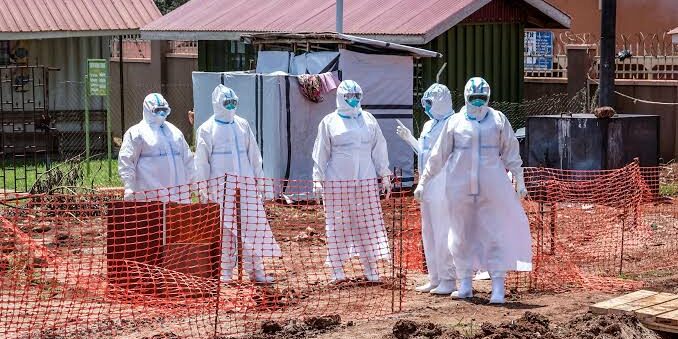
The recent Ebola outbreak in Uganda has once again placed public health and travel safety at the center of national and international attention. On 17th May 2026, the Word Heal Organisation (WHO) declared the Ebola outbreak in DRC and Uganda a Public Health Emergency of International Concern.
Uganda remains one of Africa’s leading safari and tourism destinations, attracting travelers for gorilla trekking, wildlife safaris, cultural experiences, and adventure holidays. However, news about Ebola often creates uncertainty among visitors planning to travel to the country.
Despite the concerns surrounding the Ebola outbreak in Uganda, travelers should understand that Uganda has extensive experience managing infectious disease outbreaks. The country has successfully contained previous Ebola outbreaks through strong surveillance systems, quick government action, airport screening measures, public awareness campaigns, and collaboration with international health organizations.
Travelers visiting Uganda during this period should remain informed, follow official travel guidelines, and take reasonable health precautions. Most tourism destinations remain operational. National parks are open, and international airports continue to function under enhanced health monitoring protocols.
Understanding the Ebola outbreak in Uganda
Ebola is a severe viral disease that spreads through direct contact with infected bodily fluids, contaminated materials, or infected animals. Symptoms commonly include fever, fatigue, vomiting, diarrhea, headache, muscle pain, and in severe cases, internal or external bleeding.
Uganda has experienced several Ebola outbreaks over the years, mainly because of its geographical location within a region where outbreaks occasionally occur. The recent outbreak started in the Eastern Democratic Republic of Congo, which directly borders with Uganda. The Ministry of Health reported the first Ebola death case on 15th May 2026 and this was a Congolese man living in Kampala. The second one occurred on May 16th 2026. As a result, the country’s health authorities have built strong response systems that help detect and contain cases quickly.
The current Ebola outbreak in Uganda has prompted increased monitoring at borders, airports, hospitals, public gathering areas, and transportation hubs. The Ministry of Health continues to issue updates while health workers conduct contact tracing, community awareness campaigns, and screening exercises.
Travelers should understand that outbreaks are usually concentrated within specific districts or communities rather than affecting the entire country. Uganda’s tourism sector often continues operating normally, especially in national parks and safari regions located far from affected areas.
Uganda’s response to the Ebola outbreak
The Ugandan government has moved quickly to strengthen disease control measures following reports of Ebola cases. Health officials have increased screening at Entebbe International Airport and major border crossings. Travelers arriving in Uganda may notice temperature checks, health questionnaires, handwashing stations, and increased sanitation measures.
Authorities have also intensified public health campaigns encouraging citizens and visitors to maintain proper hygiene practices, report symptoms early, and avoid unnecessary contact with infected individuals.
Uganda works closely with organizations such as the World Health Organization (WHO), the Africa Centres for Disease Control and Prevention (Africa CDC), and other international health agencies during outbreaks. This cooperation improves testing capacity, contact tracing, surveillance, and emergency response.
In previous outbreaks, Uganda managed to contain Ebola effectively within relatively short periods through rapid interventions and public cooperation. These experiences continue to strengthen the country’s preparedness.
President Museveni’s letter and the postponement of Uganda Martyrs’ day celebrations
One of the most significant recent developments linked to the Ebola outbreak in Uganda is the reported postponement or restriction of major public gatherings, including preparations surrounding Uganda Martyrs Day celebrations.
Uganda Martyrs Day, celebrated annually on June 3rd at Namugongo, attracts millions of pilgrims, worshippers, and international visitors from across Africa and beyond. The event represents one of the largest religious gatherings in East Africa. Some of the Pilgrimages come from Eastern DRC which is the most affected region.
According to recent government communications attributed to President Yoweri Museveni on 17th May 2026, authorities moved to postpone or scale down certain large gatherings. In the letter, the president encouraged those who had started their pilgrimage journey to return back home. He also encouraged them to celebrate the day in their local parishes until the date for the national celebrations is communicated. The government emphasized the importance of preventing mass transmission risks during the Ebola outbreak in Uganda.
The decision reflects Uganda’s broader strategy of limiting situations where large crowds could increase exposure risks. Public health experts often recommend reducing mass gatherings during infectious disease outbreaks to slow community transmission.
Travelers planning to attend Uganda Martyrs Day celebrations should therefore monitor official government announcements, church communications, and travel advisories closely. Event schedules, crowd management procedures, accommodation availability, and movement restrictions may change depending on the public health situation.
Visitors should also expect increased health screening at religious venues, hotels, transport terminals, and major public gathering points.
What travelers should expect when visiting Uganda
Travelers arriving during the Ebola outbreak in Uganda should expect heightened health and safety measures throughout their journey.
At Entebbe International Airport, health personnel may conduct temperature checks and ask visitors about recent travel history or symptoms. Airlines may also provide health guidance before departure or during flights.
Hotels, lodges, restaurants, safari camps, and tourism operators have introduced stronger hygiene protocols. Many properties now provide hand sanitizers at entrances, encourage regular handwashing, and train staff on infection prevention practices.
Travelers visiting national parks such as Bwindi Impenetrable National Park, Queen Elizabeth National Park, Murchison Falls National Park, Kibale Forest National Park, and Kidepo Valley National Park should still expect safari activities to continue normally unless authorities issue specific restrictions.
Tour operators continue to organize gorilla trekking, chimpanzee trekking, wildlife safaris, birdwatching tours, and cultural excursions while following government health guidelines.
In some situations, visitors may experience health screening at hotels or tourist attractions and increased sanitation procedures in public places. Moreso, delays at airports or border crossings and temporary restrictions in affected districts will be common. Additionally, travelers should keep updated on public awareness announcements regarding health precautions. These measures aim to protect both residents and visitors.
Is it safe to travel during the Ebola outbreak in Uganda?
Many travelers naturally ask whether it is safe to visit Uganda during an Ebola outbreak. The answer depends on staying informed, following official health advice, and avoiding affected areas if restrictions exist.
Ebola does not spread through casual contact or through the air like influenza. The virus spreads through direct contact with infected bodily fluids or contaminated materials. This means tourists who maintain proper hygiene and follow health guidance generally face low risk.
Uganda’s tourism destinations are often located far from outbreak epicenters. Gorilla trekking regions in southwestern Uganda, for example, may operate normally even when health incidents occur in different parts of the country.
Travelers should avoid panic and instead rely on verified information from:
- Uganda Ministry of Health
- World Health Organization (WHO)
- Centers for Disease Control and Prevention (CDC)
- Their embassy or foreign affairs office
- Licensed Ugandan tour operators
Most importantly, travelers should purchase comprehensive travel insurance that covers medical emergencies, trip interruptions, and evacuation services.
Essential health precautions for travelers
Anyone traveling during the Ebola outbreak in Uganda should take preventive health measures seriously.
- Wash hands frequently: Regular handwashing remains one of the most effective ways to prevent infection. Travelers should use soap and clean water whenever possible or carry alcohol-based hand sanitizer.
- Avoid contact with bodily fluids: Visitors should avoid direct contact with blood, vomit, saliva, sweat, urine, or other bodily fluids from individuals showing symptoms of illness.
- Avoid bushmeat consumption: Public health authorities often advise against handling or consuming bushmeat during Ebola outbreaks. Travelers should eat food prepared at reputable restaurants, lodges, and hotels.
- Monitor your health: Travelers should pay attention to symptoms such as fever, fatigue, vomiting, or severe headache during and after their trip. Anyone feeling unwell should seek medical advice immediately.
- Follow official health advice: Travel advisories may change quickly during outbreaks. Visitors should stay updated through official channels before and during their journey.
- Carry travel insurance: Comprehensive travel insurance offers protection in case flights change, quarantine requirements arise, or medical evacuation becomes necessary.
Impact of the Ebola outbreak in Uganda on tourism
Tourism remains one of Uganda’s most important economic sectors. News about Ebola can affect visitor confidence even when outbreaks remain geographically limited.
Some travelers postpone trips due to fear or uncertainty, while others continue traveling after reviewing official guidance and consulting trusted safari operators.
Hotels, lodges, airlines, and tour companies have increased their health and safety protocols to reassure guests. Many safari operators now provide flexible booking policies, allowing travelers to reschedule if travel restrictions change.
International tourism organizations continue encouraging travelers to make decisions based on facts rather than fear. Blanket assumptions about the entire country often fail to reflect the actual situation on the ground.
In previous outbreaks, Uganda’s tourism industry recovered strongly after containment efforts succeeded. The country’s reputation for wildlife, hospitality, and adventure tourism remains resilient.
Gorilla trekking and wildlife safaris during the Ebola outbreak in Uganda
Many travelers specifically worry about gorilla trekking during health outbreaks. Uganda’s gorilla tourism sector already follows strict conservation and health guidelines designed to protect both humans and endangered mountain gorillas.
Tourists participating in gorilla trekking or chimpanzee trekking should expect health briefings before trekking, restrictions for anyone showing flu-like symptoms, controlled group sizes hand sanitation procedures as well as guidance on maintaining safe distances from primates.
The Uganda Wildlife Authority and tourism stakeholders work closely with health authorities to minimize risks.
Most wildlife safaris in Uganda take place in remote national parks with low population density, making them different from crowded urban environments. Travelers should still practice good hygiene during game drives, lodge stays, and domestic travel.
Border crossings and regional travel
Uganda shares borders with several East and Central African countries. During the Ebola outbreak in Uganda, border health surveillance may increase significantly.
Travelers crossing land borders should expect temperature checks, health declaration forms, delays during screening and possible movement restrictions in affected regions.
Regional travelers connecting through Rwanda, Kenya, Tanzania, South Sudan, or the Democratic Republic of Congo should verify entry requirements before departure.
Airlines may also adjust schedules depending on public health recommendations.
What travelers should pack during the Ebola outbreak in Uganda
Travelers visiting Uganda during this period should pack practical health and safety essentials.
Recommended items include;
- Alcohol-based hand sanitizer
- Antibacterial wipes
- Medical face masks
- Disposable gloves for emergencies
- Personal medications
- Digital thermometer
- Comprehensive travel insurance documents
- Emergency contact numbers
These items help visitors feel more prepared during their trip.
Staying informed before and during your trip
The situation surrounding the Ebola outbreak in Uganda may evolve over time. Travelers should monitor updates regularly before departure and while traveling.
Reliable information sources include Uganda Ministry of Health, World Health Organization, your airline, your embassy and licensed Ugandan tour operators. Avoid relying on social media rumors or sensational headlines.
Many reports about Ebola create unnecessary panic because they fail to explain the actual geographic scope of outbreaks or the measures already in place.
Final thoughts
The Ebola outbreak in Uganda remains an important public health issue that travelers should take seriously. However, visitors should also recognize Uganda’s strong experience in outbreak management, disease surveillance, and tourism safety.
The government’s actions, including enhanced screening measures and restrictions on large gatherings such as Uganda Martyrs Day celebrations, demonstrate an effort to reduce transmission risks and protect both citizens and visitors.
Travelers planning safaris, gorilla trekking tours, business trips, missionary travel, or cultural visits should stay informed through official channels, purchase travel insurance, and follow recommended health precautions.
Most importantly, travelers should approach the situation with awareness rather than fear. Uganda continues to welcome visitors while strengthening public health measures designed to keep tourism activities operating as safely as possible.
As the situation develops, staying updated with verified information will remain the best way to make safe and informed travel decisions during the Ebola outbreak in Uganda.







2 Comments