
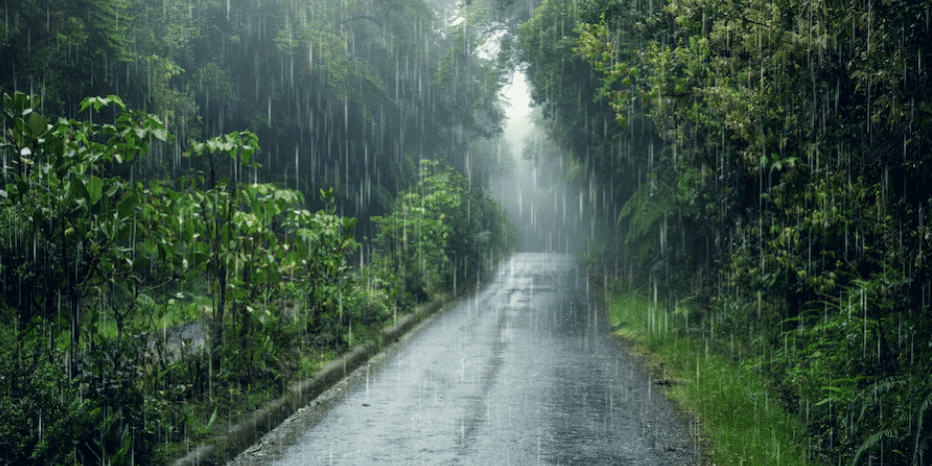
A journey with a 4×4 Uganda car rental is a very controversial topic among many travelers. The wet season is here and the first thing the rain changes in Uganda is not the scenery, but the journey. Distances that seemed manageable on a map could suddenly demand more time. Rural roads become slippery, potholes hide beneath pools of water, and even experienced drivers must reconsider their pace.
Yet, as the countryside turns an extraordinary shade of green, another side of Uganda begins to reveal itself. This is the rainy season, and travelling through it comes with its own rules. For anyone considering a 4×4 Uganda road trip, understanding these changing conditions can make all the difference.
Uganda is a country best explored beyond its major highways. Some of its most memorable experiences lie along winding countryside roads, forest trails and routes leading to remote national parks. However, these journeys can become considerably more demanding when the rains arrive.
A vehicle that performs perfectly well in Kampala may struggle on a muddy road leading to a lodge in southwestern Uganda. A journey that takes four hours during dry weather might take considerably longer after heavy rainfall.
Does this mean you should avoid travelling during the rainy season? Not at all. It simply means you should understand the roads, choose the right vehicle and give yourself enough time to enjoy the journey.
When the rainy season arrives in Uganda
Uganda generally experiences two rainy seasons, although weather patterns vary between regions.
The first rainy season usually occurs between March and May. The second commonly falls between September and November. These are general patterns rather than strict dates, and rainfall can extend beyond these periods.
Western and southwestern Uganda receive considerable rainfall. This includes popular destinations such as Bwindi Impenetrable National Park, Mgahinga Gorilla National Park, Queen Elizabeth National Park and Kibale Forest.
The eastern highlands also experience substantial rainfall, particularly around mountainous areas. Northern Uganda generally has a more pronounced single rainy season, often running from around April to October.
However, Uganda’s weather rarely follows a perfectly predictable calendar. You might experience sunshine in Entebbe while heavy showers fall around Kampala or Fort Portal. Even within the same destination, conditions can change throughout the day.
It is also important to understand that the rainy season does not mean continuous rainfall. Some mornings begin with beautiful sunshine before afternoon showers arrive. Other days bring persistent rain, particularly in mountainous and forested regions.
For travellers, flexibility is therefore essential.
What happens to Uganda’s roads when it rains?

It is common for roads especially in Kampala to flood during the rainy seasons. And expect very high traffic congestion after the rains have settled
Uganda has an extensive road network, but the condition of its roads varies considerably. The major highways connecting Kampala to towns such as Masaka, Mbarara, Jinja, Gulu and Fort Portal are largely paved. These routes generally remain accessible during the rainy season.
However, heavy rainfall introduces its own challenges. Potholes can fill with water, making their depth difficult to judge. Standing water can reduce visibility, while slippery surfaces increase braking distances.
The experience changes when you leave the main highways.
Many roads connecting rural communities, lodges and national parks are made of gravel, murram or earth. Some remain relatively manageable after rainfall. Others develop muddy sections, deep ruts and slippery slopes. In rare cases, bridges could overflow!
This is particularly important when travelling to remote safari destinations. Uganda’s famous red soil, for example, can become extremely slippery when wet. On certain roads, mud clings to tyres and makes it difficult for vehicles to maintain traction.
Low-lying sections may also collect water. In areas with poor drainage, heavy rainfall can temporarily make roads difficult or impossible to pass.
The biggest mistake travellers can make is assuming that a road will remain in the same condition throughout their journey. A route that was perfectly manageable yesterday may present a completely different challenge today.
Why you need a 4×4 vehicle during the rainy season
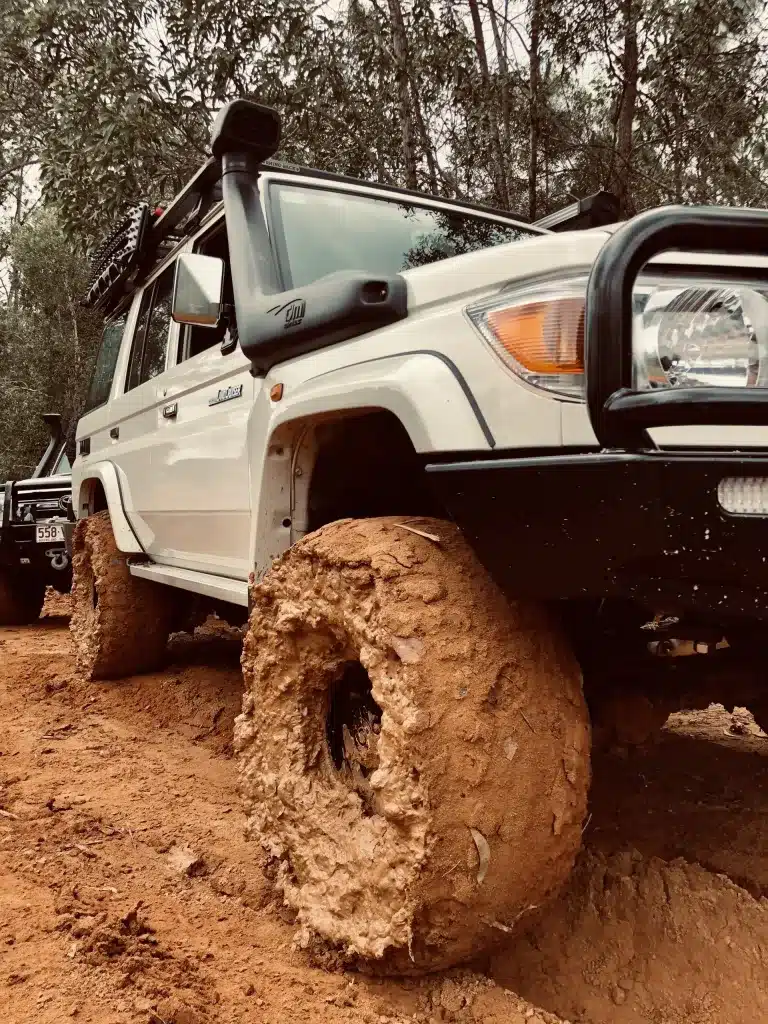
A good 4×4 vehicle has the ability to navigate the slippery and muddy roads easily. That is exactly why they were made!
There is a reason four-wheel-drive vehicles are popular among travellers exploring Uganda’s national parks and countryside. A typical Ugandan road trip rarely involves one type of road throughout the journey.
You might begin on a smooth tarmac highway, turn onto a gravel road and eventually reach your accommodation through a muddy access track.
This is where a suitable 4×4 becomes particularly valuable.
Four-wheel-drive vehicles can provide improved traction on slippery surfaces. Their ground clearance also helps when navigating uneven roads, potholes and rough sections.
Vehicles such as the Toyota Land Cruiser and Toyota Prado are popular choices for safari travel because of their suitability for many Ugandan road conditions.
However, choosing a 4×4 should not be treated as a guarantee that every road will be passable.
Tyre condition, ground clearance, driver experience and the severity of the weather all matter. Even a capable four-wheel-drive vehicle can become stuck in deep mud or encounter dangerous conditions.
The most sensible approach is to choose a vehicle according to the most challenging sections of your itinerary.
If your holiday involves visiting remote lodges, travelling through mountainous areas or exploring several national parks, a suitable 4×4 is often a worthwhile investment.
Why self-drive isn’t a smart idea during the rainy season
Not every visitor wants to drive in an unfamiliar country, more so during the rainy seasons. For travellers who prefer to relax and enjoy the scenery, hiring a vehicle with a professional driver is an excellent way to explore Uganda.
You can concentrate on the experience while someone familiar with the roads handles navigation, traffic and changing driving conditions.
However, chauffeur-driven travel does not mean the rainy season becomes irrelevant. A professional driver cannot make a flooded road safe or guarantee that a muddy section will not delay the journey. There may be situations where the driver needs to reduce speed, find an alternative route or wait for conditions to improve.
This is particularly relevant when travelling towards remote lodges and national parks. Some access roads are narrow, steep and poorly drained. Heavy rainfall can make them difficult even for experienced drivers.
The advantage of travelling with a knowledgeable local driver is their familiarity with the routes. They may recognise dangerous sections, understand which alternative roads are suitable and know when it is better to wait rather than proceed.
They can also communicate with lodge staff and local contacts when road conditions change. For visitors unfamiliar with Uganda, this local knowledge can be invaluable.
Before booking, ask about the driver’s experience, the vehicle’s specifications and whether the planned itinerary is suitable for the rainy season.
The challenges travellers do not always anticipate
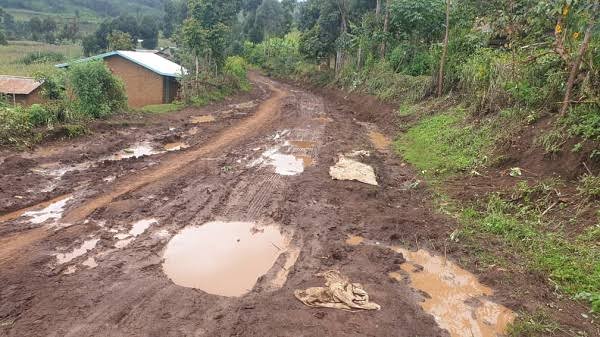
Most of the roads in remote areas look like this. You therefore need to prepare in advance for the challenging road conditions.
Mud is probably the first thing people associate with driving during the rainy season. However, several other challenges deserve attention.
Heavy rainfall can cause flooding and waterlogging in urban areas, particularly parts of Kampala. Traffic congestion may increase, while some low-lying roads temporarily become difficult to navigate.
Potholes are another concern. Water can conceal their depth, making it difficult to identify dangerous sections before reaching them.
Rural bridges, culverts and small river crossings also require caution. Heavy rainfall can affect the surrounding ground and approaches. Never assume a crossing is safe simply because it appears on a map.
Visibility is another challenge. During heavy showers, it becomes harder to see road markings, pedestrians, motorcycles and vehicles ahead. This is especially difficult on roads without street lighting.
Finally, remember that Ugandan roads are shared by everyone. You will encounter motorcycles, bicycles, pedestrians, roadside vendors, livestock and heavy trucks. During rainfall, everyone is navigating the same difficult conditions., so patience is essential.
Does the rainy season mean you should avoid Uganda?
Absolutely not. In fact, some travellers find Uganda particularly beautiful during the rainy season. The countryside becomes incredibly green. Hillsides look fresh, forests become lush and rivers and waterfalls often carry more water.
For photographers, the changing landscapes can be spectacular.
Birdwatchers may also enjoy this period, although sightings and conditions vary by location. Uganda’s forests, wetlands and savannah habitats offer birding opportunities throughout the year.
There can also be fewer visitors at certain destinations compared with peak travel periods. This may create a quieter atmosphere at some lodges and attractions, although availability and prices depend on the destination and operator.
Gorilla trekking and chimpanzee tracking continue during rainy periods, subject to park operations and prevailing conditions.
However, forest trails may become muddy, slopes slippery and walking times longer.
Visitors heading for gorilla trekking should bring proper hiking boots, waterproof clothing and protection for cameras and personal belongings.
The rain may make the journey more demanding, but it does not automatically make the experience less rewarding.
Preparing for a successful 4×4 Uganda road trip during the rainy season
A successful rainy-season journey begins before you leave your accommodation. If you are self-driving, inspect your vehicle before setting off. Check the tyres, brakes, windscreen wipers, headlights and spare tyre.
Make sure the vehicle has suitable recovery equipment and that you understand how to use it. Ask your rental company about roadside assistance, emergency contacts and what to do if the vehicle becomes stuck.
Carry a physical or offline map because mobile network coverage can be unreliable in remote areas.
Pack waterproof bags for electronics, travel documents and other important belongings. A light rain jacket and comfortable shoes will also make roadside stops easier.
If you are travelling with a driver, discuss the day’s route before departure. Ask whether any sections are known to become difficult after heavy rainfall. Your driver or tour operator should also be able to advise whether an alternative route is advisable.
Most importantly, remain flexible. Avoid scheduling a long journey immediately before an important flight or activity without allowing sufficient time for unexpected delays. If you have gorilla or chimpanzee trekking permits, plan to arrive at your destination with enough time to rest before the activity. A little flexibility can save an entire holiday.
Choosing the right 4×4 rental in Uganda
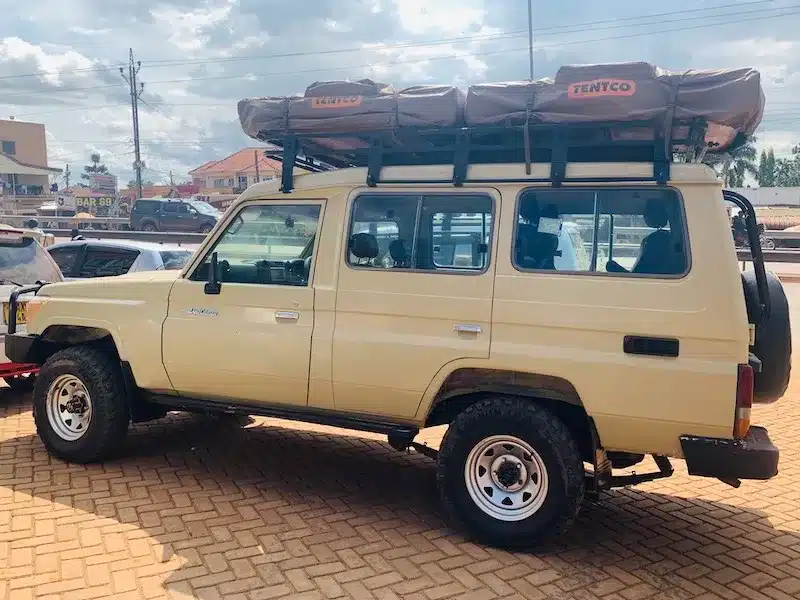
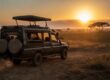
The safari Land Cruiser is one of the most reliable vehicles to hire during the rainy season.
A successful road trip depends on more than choosing a vehicle with four-wheel drive.Travellers should consider the vehicle’s mechanical condition, tyre quality, ground clearance, passenger capacity and luggage space.
For self-drive visitors, it is equally important to understand the rental agreement, insurance arrangements, roadside assistance and what happens in case of a breakdown.
If you are hiring a vehicle with a driver, ask about the driver’s experience with safari routes and long-distance journeys.
At GoFurther 4×4 Car Rentals, vehicle selection should begin with understanding the journey itself. A traveller visiting Kampala and Jinja may have very different requirements from someone planning to explore Bwindi, Lake Bunyonyi and Queen Elizabeth National Park. The right vehicle should match the route, the number of passengers, luggage requirements and the nature of the adventure. Planning ahead makes the experience considerably easier.
The rain is part of the Ugandan adventure
There is a particular moment during a Ugandan road trip when the rain stops, the clouds begin to lift and the countryside appears almost impossibly green. Water drips from the trees. Small streams cross the roadside. Farmers return to their gardens, children walk home from school and the hills emerge from the mist.
You might find yourself stopping to admire a landscape you would never have seen in quite the same way during the dry season. That is the beauty of travelling in Uganda. The country does not stop being beautiful when the rain arrives. It simply asks you to experience it differently.
Besides, the rainy seasons in Uganda have very few tourists! This means that there is less congestion in the parks, and it could be the perfect time for travelers that do not enjoy huge tourist crowds. It might also be the perfect time to enjoy discounts on some services since tourist numbers are low and businesses must survive.
When you choose self-drive, you may need to drive more slowly, change a route or spend an extra hour waiting for the weather to improve. Your shoes might get muddy, and your carefully planned schedule may need adjusting.
But with a suitable 4×4, an experienced driver where needed and realistic expectations, Uganda remains an exciting destination to explore. Prepare for the conditions, respect the roads and give yourself time to enjoy the journey. Because sometimes, the most memorable part of a Ugandan adventure is not the destination waiting at the end of the road.
It is everything you discover along the way.






1 Comment