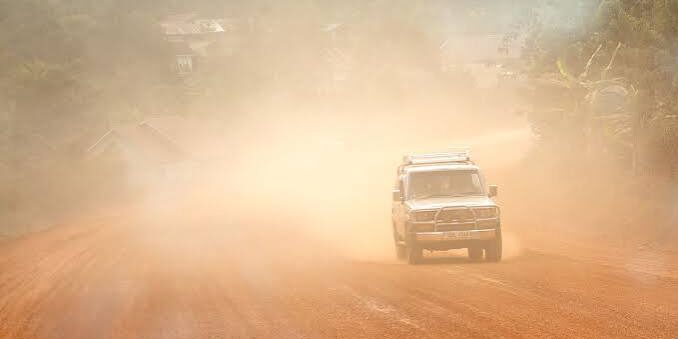
When exploring Uganda with a 4×4 Uganda car rental, some of the most memorable journeys begin where the smooth tarmac ends. A paved highway gradually gives way to a reddish-brown road, the landscape opens up, and small trading centres become less frequent. Before long, the tyres are rolling over loose gravel, compacted earth and stretches of uneven ground. This is where driving a 4×4 Uganda vehicle becomes particularly relevant.
Murram roads are a familiar feature of Uganda’s road network. They connect rural communities, farming areas, national parks and destinations that remain relatively untouched by heavy tourism. For visitors exploring the country independently, these roads are sometimes unavoidable. They are also part of what makes travelling through Uganda such an interesting experience.
However, driving on murram is quite different from travelling on a paved highway. Road conditions can change with the weather, some sections become difficult after heavy rainfall, and loose surfaces require a different approach to driving. Understanding these conditions before setting off helps travellers prepare for the journey ahead.
Understanding Uganda’s murram roads
Murram is a locally used term for gravelly, lateritic or earth-based road surfaces commonly found across Uganda. These roads are generally constructed using locally available materials, including gravel, compacted soil and weathered rock.
Unlike tarmac, murram surfaces do not always provide a uniform driving experience. One section might be relatively smooth and compact, while another has loose stones, deep ruts or exposed rocks. The condition also depends on how recently the road was graded, the amount of traffic it receives and the prevailing weather.
You will encounter murram roads in different parts of Uganda. They are particularly common in rural areas and on routes leading to remote attractions. Even some popular tourism destinations have stretches of gravel or earth roads connecting them to the main highways.
For example, journeys towards parts of Kidepo Valley National Park, Pian Upe Wildlife Reserve and rural areas around the Rwenzori Mountains may involve travelling on unpaved roads. Some access roads around Bwindi Impenetrable National Park also have challenging sections.
This is one reason a suitable 4×4 Uganda rental vehicle can be valuable when planning journeys beyond the country’s main highways.
Dust is part of the journey

When driving on a murram road on a sunny day, expect dust that may be blinding. Keep a reasonable distance from the car ahead of you to allow the dust to settle
During the dry season, dust is one of the first things drivers notice when travelling on murram roads. As vehicles move over loose gravel and dry earth, they leave clouds of dust behind. The problem becomes more noticeable on busy roads, particularly where trucks, buses and other vehicles frequently pass.
Dust can reduce visibility, especially when following another vehicle closely. It also settles on windscreens, side mirrors, headlights and vehicle interiors. Travellers should therefore avoid driving too close to the vehicle ahead.
If another vehicle approaches from the opposite direction, slowing down can help reduce the amount of dust entering the cabin. Keeping windows closed when necessary and using the vehicle’s ventilation system can also make the journey more comfortable.
For travellers using a 4×4 Uganda rental vehicle, regular cleaning of the air filter and attention to the windscreen are useful precautions during extended journeys on dusty roads.
Prepare for potholes, loose gravel and uneven surfaces
Not all murram roads are difficult. Some are well-maintained, relatively wide and comfortable to drive on. Others can become quite demanding, particularly in areas with heavy rainfall or limited road maintenance.
Potholes are common on certain unpaved routes. Some are shallow depressions, while others can be deep enough to damage tyres, wheels or suspension components if approached carelessly.
Loose gravel presents another challenge. It reduces tyre grip and can make steering less predictable, particularly when braking suddenly or taking corners at speed.
You may also encounter corrugated surfaces, commonly known as washboard roads. These have a series of closely spaced ridges that create vibrations throughout the vehicle. Driving too quickly over these sections can make the journey uncomfortable and place additional stress on the vehicle.
The best approach is to reduce speed, maintain a safe following distance and avoid sudden steering or braking movements.
A well-maintained 4×4 can offer better ground clearance and greater capability on uneven surfaces. However, it does not eliminate the need for careful driving. Tyres, suspension condition and driver judgement remain important.
What happens when it rains?

Depending on how often the murram road is graded and maintain, driving on a rainy day could look like this.
Uganda’s murram roads can change considerably during the rainy season. A route that feels relatively easy during dry weather may become slippery after several hours of rainfall. Water can soften the road surface, expose drainage channels and create muddy sections that are difficult to navigate.
Some roads develop deep ruts as vehicles repeatedly pass over wet ground. Others become slippery because of the clay content in the soil. This is particularly challenging on sloping sections, where maintaining traction becomes more difficult.
In areas with poor drainage, standing water can conceal potholes and deeper sections of mud. Drivers should avoid assuming that a puddle is shallow simply because it looks manageable from a distance.
A 4×4 Uganda vehicle with suitable tyres and functioning four-wheel drive can provide additional traction in appropriate conditions. However, even a capable Land Cruiser can struggle when the road becomes extremely muddy.
When driving during the rainy season, it is important to assess conditions before entering a difficult section. If the road looks unsafe, stopping to evaluate the situation is often wiser than attempting to force the vehicle through.
Sharing the road with people, livestock and other vehicles
One interesting aspect of travelling through Uganda’s countryside is that murram roads are not exclusively used by motorists. You will frequently encounter pedestrians, cyclists, motorcycles, roadside vendors and livestock. In some communities, children walk along the road to and from school, while farmers transport produce using bicycles and motorcycles.
Markets and trading centres can become particularly busy, especially during morning and evening hours.
Unlike major highways, many rural roads have limited pedestrian infrastructure. Drivers must therefore remain alert and anticipate unexpected movements.
Animals such as cattle, goats and sheep may also cross the road without warning. This is especially common in pastoral communities and areas surrounding rural settlements.
Slowing down when approaching villages, trading centres and livestock is essential. A comfortable driving speed is more important than arriving at your destination a few minutes earlier.
Choosing the right vehicle for Uganda’s murram roads
Not every journey in Uganda requires a 4×4. Many destinations are accessible using ordinary vehicles, particularly during dry weather and where roads are well maintained.
However, travellers planning longer journeys through rural areas, mountainous regions or destinations with unpredictable road conditions should consider the advantages of a capable 4×4.
Ground clearance is one of the most important considerations. A vehicle with sufficient clearance is less likely to scrape its underside when travelling over rocks, deep ruts and uneven surfaces.
Tyre condition is equally important. Properly maintained tyres provide better contact with the road and reduce the likelihood of unexpected problems.
Vehicles such as the Toyota Land Cruiser are popular choices for demanding journeys because of their ground clearance, robust construction and off-road capability. Depending on the route and passenger requirements, other suitable 4×4 models may also be appropriate.
At GoFurther 4×4 Uganda Car Rentals, travellers can explore vehicle options suited to different journeys around Uganda. Whether planning a countryside road trip, visiting remote destinations or travelling between countries, choosing the right vehicle makes a difference.
Preparing for a journey on Uganda’s murram roads
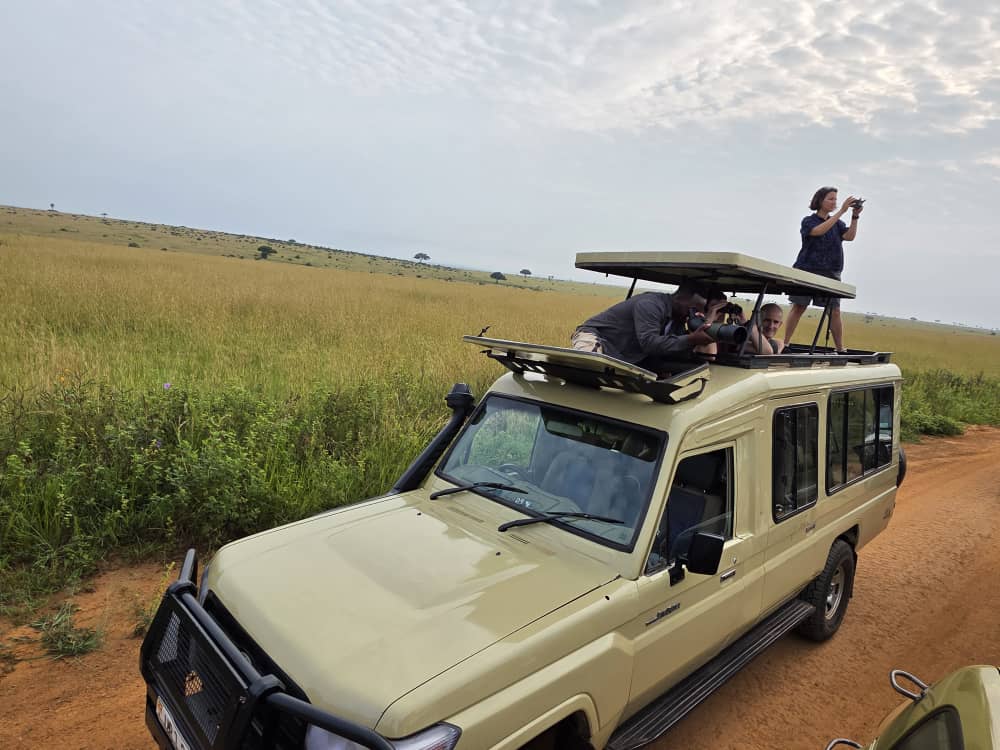
A Land Cruiser is the perfect vehicle option when preparing for a journey on a murram road
A little preparation can make a considerable difference when travelling on unpaved roads. Before leaving, check the weather forecast and ask about the condition of your intended route. This is particularly important when travelling during rainy months or visiting remote destinations.
Ensure that your tyres are in good condition and properly inflated. Check the spare tyre, jack and wheel spanner before departure. It is also worth confirming that the vehicle’s suspension, brakes and lights are functioning correctly.
Fuel planning deserves attention, too. Some rural routes have long stretches without reliable fuel stations. Filling up before leaving major towns is a sensible precaution.
Carry drinking water, basic supplies and a reliable navigation option. Mobile network coverage can become inconsistent in remote parts of Uganda, so downloading offline maps before travelling is useful.
If you are unfamiliar with the route, consider travelling during daylight hours. This gives you better visibility of potholes, road edges, pedestrians and other potential hazards.
Most importantly, avoid rushing. Murram roads are not always predictable, and journey times can be considerably longer than navigation applications initially suggest.
The road less travelled is often worth it
Uganda’s murram roads connect travellers to places that are sometimes overlooked by conventional tourism itineraries. They lead towards remote landscapes, rural communities, mountain viewpoints and wildlife destinations that offer experiences beyond the familiar routes.
For many visitors, these journeys become just as memorable as the attractions themselves. The changing scenery, roadside markets, encounters with local communities and occasional stops along the way provide a different perspective of the country.
A suitable 4×4 Uganda rental vehicle can make exploring these routes more manageable, particularly when travelling beyond the main paved highways.
At GoFurther 4×4 Uganda car Rentals, we understand that every road trip is different. Our vehicle options cater to travellers looking to explore Uganda at their own pace, whether on a self-drive adventure or with a professional driver.
Sometimes, the most interesting parts of Uganda begin where the tarmac ends.