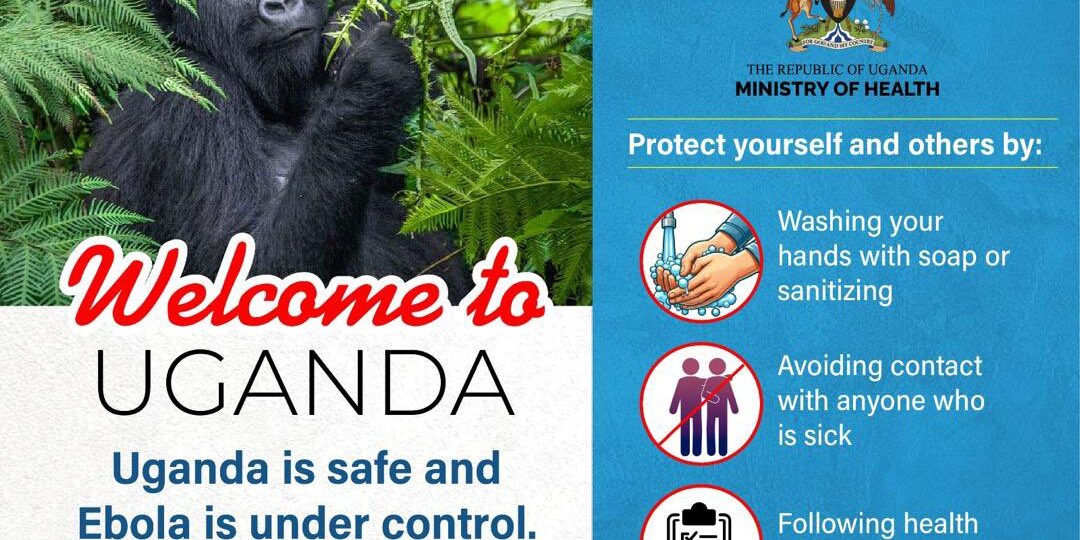
Recent headlines about Ebola in Uganda have left many prospective visitors wondering whether they should cancel/postpone their travel to Uganda. As a matter of fact, many your operators have been faced with many trip cancellations due to these reports.
While international news coverage has drawn significant attention to the situation, it is important to distinguish between verified public health information and broader interpretations that may not reflect conditions on the ground.
Uganda remains one of Africa’s leading safari and adventure destinations, welcoming thousands of tourists every year. The most popular safari activities in Uganda are gorilla trekking, wildlife safaris, birdwatching, cultural experiences, and self-drive adventures. As of now, tourism activities continue to operate normally across the country, and there has been no nationwide shutdown of tourism.
Understanding the current Ebola situation
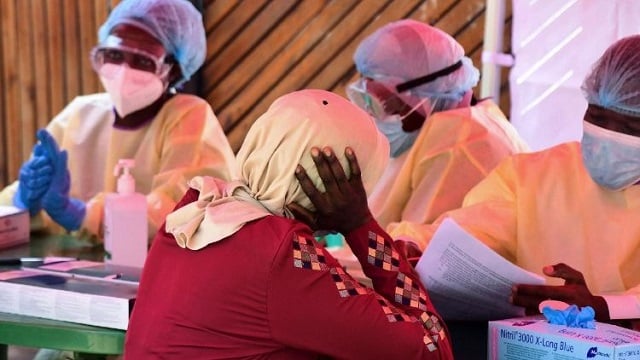
Uganda has one of Africa’s strongest public health surveillance systems and considerable experience responding to infectious disease outbreaks. Whenever a case is detected, the Ministry of Health works closely with international partners, including the World Health Organization (WHO). They identify contacts, monitor individuals who may have been exposed, and implement appropriate control measures.
Reports from official authorities have emphasized that response measures are targeted and based on scientific risk assessments. Travelers should rely on information published by the Uganda Ministry of Health, WHO, or their own country’s health authorities. They should also trust their travel agents more because they operate under guidelines set by the ministry of health and other travel authorities.
It is also important to understand that the presence of isolated Ebola cases does not necessarily mean there is widespread transmission across the country. Uganda’s public health response is designed to quickly identify, isolate, and monitor confirmed cases and their close contacts to reduce the risk of further spread.
What travelers should know about International headlines about Ebola in Uganda
This is not to discredit trusted international media houses but these media outlets often cover disease outbreaks because they are matters of global public interest. However, headlines sometimes focus on the seriousness of the disease itself without providing the detailed geographical or epidemiological context.
For travelers, this can create the impression that the entire country is experiencing an outbreak, when in reality public health events are often localized and managed through targeted interventions. A case in point is the government cancelled this year’s Uganda Martyrs celebrations that take place on 3rd June every year. This is because this event attracts hundreds of thousands of pilgrimages from all over Uganda and beyond. A big number of pilgrimages comes from Democratic Republic of Congo(DRC) where thousands of victims were reported during that period.
The most reliable way to assess travel safety is to review official health updates and travel advisories rather than relying solely on headlines. Conditions can vary over time, and official guidance is updated as new information becomes available.
Tourism continues across Uganda
Across Uganda, tourism businesses continue to operate. National parks remain open to visitors, guided safaris continue as scheduled, hotels are welcoming guests, and domestic flights are operating normally. Popular destinations including Bwindi Impenetrable National Park, Queen Elizabeth National Park, Murchison Falls National Park, Kidepo Valley National Park and others continue to receive tourists.
Visitors arriving in Uganda generally experience normal tourism services, including airport transfers, accommodation, guided tours, and self-drive safaris.
Is gorilla trekking still taking place?

You can still see the endangered mountain gorillas
Gorilla trekking remains one of Uganda’s flagship tourism experiences, and trekking activities continue unless official authorities announce otherwise. It is also the most expensive safari activity so it is only natural for travelers to wonder if it is still taking place.
The Uganda Wildlife Authority (UWA) works closely with conservation experts and health authorities to ensure both visitor safety and the protection of endangered mountain gorillas, which can be susceptible to certain human diseases, including Ebola.
Visitors are expected to continue following existing gorilla trekking rules, including maintaining the required viewing distance, staying away from the trek if they are unwell, and following ranger instructions throughout the experience.
Gorilla permit cancellation and rescheduling
Many travelers are understandably concerned about their gorilla trekking permits. The Uganda Wildlife Authority periodically issues guidance regarding permit rescheduling or cancellations when exceptional public health situations arise. Policies may change depending on official directives and the circumstances at the time.
Note that if you have already booked a permit, the best approach is to contact your tour operator or UWA directly for the latest information regarding any available rescheduling or refund options. The Uganda wildlife Authority will not refund travelers that cancel their permits eight days to the trekking date. However, it will refund 25% of the trekking fee if you cancel within 45 days and 50% if you cancel between 46 to 90 days. Also note that 18% will be retained for VAT, without forgetting the extra bank transfer charges.
Travelers should avoid assuming that permits are automatically canceled simply because Ebola has been reported in the country. Official announcements should always be the basis for travel decisions.
Airport health measures
Uganda has implemented health screening measures during previous public health events and may introduce or adjust screening procedures based on current risk assessments.
Travelers may encounter health questionnaires, temperature screening and additional health assessments when necessary. These measures are designed to protect both visitors and residents while allowing travel to continue.
Should you cancel your Uganda safari?
For most travelers, the answer depends on official advice from their home country’s government and health authorities. If your country has not issued travel restrictions or advisories against travel to Uganda because of Ebola, and your itinerary is not affected by any official public health measures, there may be no need to cancel your trip solely because of international news coverage.
Before making any travel decisions, check official travel advisories from your government, Uganda Ministry of Health updates, information from your airline and guidance from your tour operator.
Uganda’s tourism industry remains open
Tourism contributes significantly to Uganda’s economy and supports thousands of livelihoods, including guides, drivers, lodge staff, park rangers, craft vendors, and local communities. For this reason, tourism stakeholders continue to work closely with government agencies to ensure visitors receive accurate information and safe travel experiences.
Hotels, safari lodges, restaurants, transport providers, and tour operators continue serving guests while following any applicable public health guidance. Uganda continues to welcome tourists, and its tourism infrastructure remains operational.
However, it is important to avoid absolute conclusions about safety. Uganda has earned a strong reputation for responding quickly to public health challenges while maintaining essential services, including tourism. By staying informed through credible sources and following official recommendations, travelers can make well-informed decisions and continue to enjoy the country’s remarkable wildlife, landscapes, and hospitality.