Planning a safari with a 4×4 Uganda car rental requires more than simply booking flights and choosing destinations. A successful road trip depends heavily on the condition of your vehicle, your travel preparation, and your understanding of safari logistics. Travelers who choose a 4×4 Uganda car rental enjoy flexibility, independence, and the opportunity to explore remote destinations at their own pace. However, poor preparation can quickly turn an exciting adventure into a stressful experience.
Uganda’s safari routes pass through rough national park tracks, mountain roads, muddy trails, and long-distance highways. Destinations such as Bwindi Impenetrable National Park, Kidepo Valley National Park, Queen Elizabeth National Park, and Murchison Falls National Park require reliable 4×4 vehicles capable of handling changing terrain and unpredictable weather conditions.
A proper safari checklist will help you to avoid common mistakes before beginning their journey. From inspecting tires and confirming insurance coverage to packing emergency supplies and understanding road conditions, every detail matters during a self-drive safari.
Many first-time visitors often underestimate the importance of choosing the right safari vehicle. A dependable 4×4 Uganda car rental provides safety, comfort, and confidence while exploring remote parts of the country. Travelers who prepare properly enjoy smoother road trips, better wildlife experiences, and fewer unexpected problems along the way.
Why a 4×4 Uganda car rental is important for safari travel
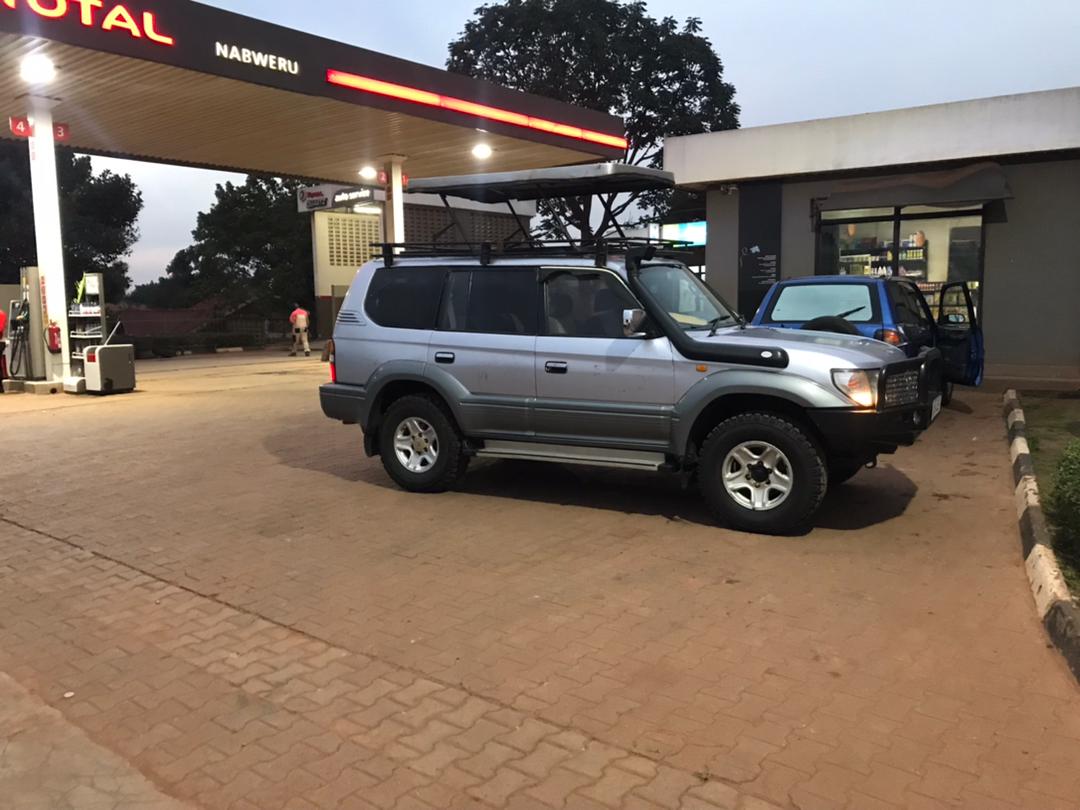
Uganda’s national parks and remote tourism destinations often contain rough and challenging roads. During rainy seasons, roads inside parks such as Bwindi and Queen Elizabeth can become muddy and slippery. Some regions also contain rocky terrain, steep hills, and river crossings that require strong vehicles with high ground clearance.
A 4×4 Uganda car rental improves traction, stability, and comfort during these journeys. Four-wheel-drive vehicles handle difficult conditions more effectively than ordinary two-wheel-drive cars.
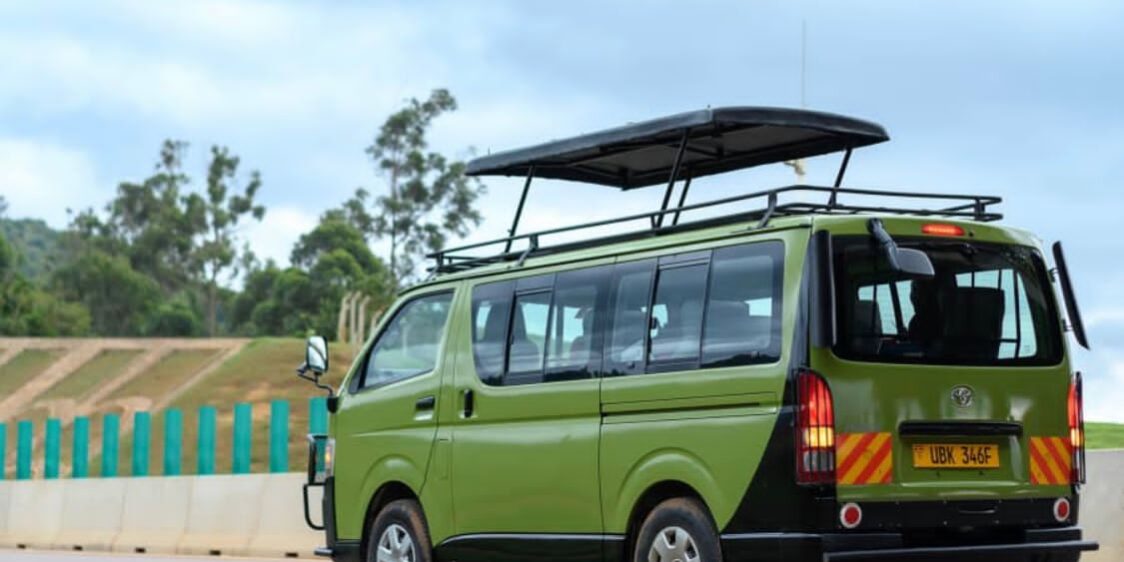
Most experienced safari travelers choose vehicles such as Toyota Land Cruisers, Toyota Prado models, Toyota Rav4s, among others. These vehicles perform well across East Africa because they combine reliability, fuel efficiency, and durability. Choosing the right safari vehicle forms the foundation of a successful road trip.
Inspect the condition of your 4×4 Uganda car rental

Before leaving the rental office, inspect the vehicle carefully. Check the overall condition of the body, lights, mirrors, windows, tires, and windshield. Even minor issues can create major problems during long-distance travel through remote regions. We always encourage travelers to inspect all tires closely, including the spare tire. Safari roads can damage weak or worn-out tires quickly. Travelers should also confirm that the vehicle includes a functioning jack, wheel spanner, spare tire, jumper cables, tow ropes, reflective warning triangles and other road assistance/emergency tools.
Endeavor to start the engine and listen for unusual sounds. Test the brakes, headlights, indicators, air conditioning, and windshield wipers before departure. A quality 4×4 Uganda car rental company should provide vehicles in excellent mechanical condition.
Confirm insurance coverage for your 4×4 Uganda car rental
Insurance plays an important role during safari travel. Travelers should understand exactly what the rental insurance covers before signing agreements. Basic comprehensive insurance often covers major accident damage, but it may exclude tires, windshields, underbody damage, or off-road incidents. Some rental companies offer additional insurance packages for extra protection.
Ask the company about excess liability amounts, emergency roadside assistance, replacement vehicle policies, cross-border insurance requirements. Travelers planning regional safaris into Rwanda, Kenya, or Tanzania should confirm COMESA insurance availability. Understanding insurance terms reduces confusion during emergencies.
Verify important documents before your safari
Proper documentation remains essential for every safari. Travelers should carry valid driving licenses, passports, rental agreements, and emergency contact information throughout the journey. International travelers may require International Driving Permits depending on nationality.
The rental company should also provide vehicle registration documents, insurance certificates, cross-border authorization letters if necessary, road assistance contacts. Police checkpoints appear frequently across Uganda and neighboring countries. Drivers should keep documents easily accessible during inspections.
Check fuel consumption and tank capacity

Fuel planning becomes extremely important during long-distance safaris. Some remote regions contain limited fuel stations, especially near national parks. Travelers should understand the vehicle’s fuel consumption rate and tank capacity before departure.
A diesel-powered 4×4 Uganda car rental often performs better for long safaris because diesel engines generally consume less fuel on rough terrain. Drivers should refill fuel whenever opportunities arise in larger towns. Carrying extra fuel containers may also help during extended trips to remote destinations such as Kidepo Valley National Park.
Test navigation and communication systems
Navigation challenges remain common during self-drive safaris. Some regions contain limited road signs and weak mobile network coverage. Travelers should download offline navigation apps before departure. Google Maps offline mode and Maps.me remain popular among safari travelers.
A reliable phone charger and power bank also help maintain communication during long drives. Many experienced travelers carry printed maps as backup navigation tools. The rental company should explain vehicle GPS systems if included in the rental package. Good navigation preparation prevents unnecessary delays and wrong turns.
Inspect camping equipment in your 4×4 Uganda car rental
Travelers planning camping safaris should inspect all camping equipment carefully. Rooftop tents remain popular because they provide convenience and protection during remote adventures.
Before departure, check the condition of rooftop tents, sleeping bags, camping chairs, cooking equipment, gas burners, cooler boxes, and water containers. Travelers should request demonstrations on how to open and close rooftop tents properly. Testing equipment before leaving Kampala or Entebbe reduces problems later in remote areas.
Camping safaris often provide excellent flexibility while reducing accommodation costs.
Prepare for Uganda’s changing weather conditions
Uganda experiences changing weather conditions throughout the year. Rainfall can occur suddenly, especially in forested and mountainous regions. Travelers should pack waterproof jackets, strong hiking shoes, warm clothing, and sun protection.
Road conditions may change rapidly after heavy rainfall. A reliable 4×4 Uganda car rental becomes particularly important during wet seasons because muddy roads can trap weaker vehicles. Travelers should also monitor weather forecasts before entering remote regions.
Plan accommodation before starting your safari
Although flexibility remains one advantage of self-drive travel, advance accommodation planning still helps avoid unnecessary stress. Popular safari lodges and campsites often fill quickly during peak tourism seasons.
Travelers should confirm accommodation bookings near major destinations such as Bwindi, Queen Elizabeth, Kibale Forest, and Murchison Falls. Camping travelers should also research campsite availability and security. Choosing accommodation close to park entrances reduces driving distances during early morning game drives.
Understand Uganda’s road conditions before renting a 4×4 Uganda car rental
Uganda’s main highways continue improving, but many rural and park roads remain rough.
Travelers should expect potholes, gravel roads, dust, steep mountain sections, and muddy tracks depending on the season. Driving after dark increases risks because of poor road visibility, livestock crossings, and limited street lighting.
Most safari experts recommend daytime driving only. Travelers should also research estimated driving times carefully because distances may take longer than expected. A short route on the map may require several hours due to road conditions.
Pack emergency supplies for your safari
Emergency preparation improves safety during long-distance travel. Travelers should carry basic medical supplies, bottled water, energy snacks, flashlights, insect repellent, sunscreen, and backup cash.
Some remote areas lack ATM services and card payment facilities. First aid kits become especially important during camping safaris and mountain travel. Experienced travelers also carry extra phone batteries and recovery equipment. Proper emergency planning creates peace of mind during remote adventures.
Learn basic safari driving rules
Driving inside national parks requires caution and responsibility. Wild animals often cross roads unexpectedly, especially during early morning and evening hours. Travelers should respect speed limits and avoid driving off designated tracks.
Standing through vehicle sunroofs remains common during game drives, but drivers should remain alert at all times. Approaching wildlife too closely can become dangerous, particularly around elephants, buffaloes, and predators.
Rangers and park officials may enforce penalties for reckless driving inside protected areas. Responsible safari driving protects both visitors and wildlife.
Prepare your camera and photography equipment
Uganda offers extraordinary photography opportunities. Travelers often encounter gorillas, chimpanzees, lions, elephants, giraffes, waterfalls, crater lakes, and scenic mountain landscapes.
Before departure, photographers should check camera batteries, memory cards, chargers, and protective bags. Dustproof storage becomes important on dry safari roads. Binoculars also improve wildlife viewing experiences during game drives. A well-prepared 4×4 Uganda car rental safari allows photographers to stop at scenic viewpoints and wildlife sightings freely.
Plan border crossing requirements for cross-border safaris
Many travelers extend Uganda safaris into Rwanda, Kenya, or Tanzania. Cross-border travel requires additional preparation. Travelers should confirm visa requirements, vehicle authorization documents, and COMESA insurance coverage before departure.
Border crossings may involve customs inspections and vehicle verification procedures. Rental companies should provide official authorization letters for international travel. Travelers should also confirm whether specific national parks require advance bookings or permits. Proper border planning prevents delays and unexpected expenses.
Understand gorilla trekking and chimpanzee permit requirements
Many Uganda safaris include gorilla trekking and chimpanzee tracking. Travelers should secure permits several months in advance during peak seasons. Uganda Wildlife Authority regulates permit availability carefully to support conservation efforts.
Gorilla trekking permits in Bwindi Impenetrable National Park and Mgahinga Gorilla National Park remain highly competitive. Chimpanzee permits for Kibale Forest also sell quickly during busy travel periods. Travelers should carry permit copies during safari travel. Combining primate trekking with a 4×4 Uganda car rental safari creates one of Africa’s most rewarding travel experiences.
Final thoughts
Good preparation transforms safari experiences completely. The freedom of self-drive travel allows visitors to discover hidden landscapes, local communities, and wildlife encounters at their own pace. A successful safari begins long before entering Uganda’s national parks.
Choosing a dependable 4×4 Uganda car rental remains one of the most important decisions for travelers exploring East Africa. Uganda’s changing road conditions, remote safari destinations, and seasonal weather patterns require strong vehicles designed for adventure travel. Travelers who prepare properly enjoy more flexibility, better wildlife experiences, and greater confidence while driving through Uganda’s spectacular landscapes.
With the right vehicle, smart planning, and an adventurous spirit, Uganda offers one of Africa’s most exciting self-drive safari experiences.